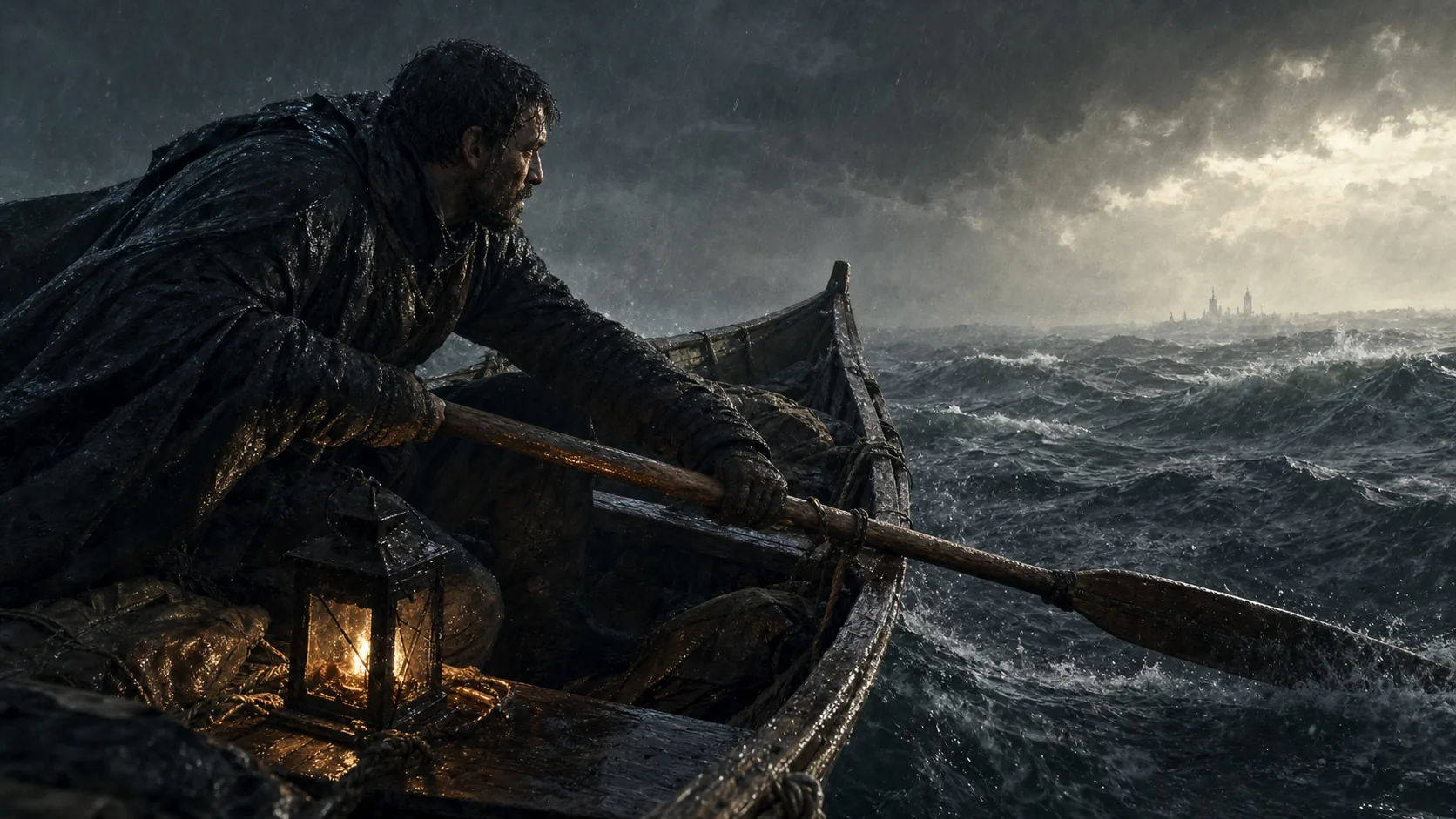
Stormy Atlantic Crossing
Across a black and storm-torn sea, the keeper carries the last warmth he owns toward a shore no sane road would choose.
Iskorka — pronounced ees-KOR-kah — means “little spark.”
A Liquid Blur story
A dark, cinematic journey through 106 illustrated scenes — meant to pull you under, slow your breathing, and make each threshold feel dangerous to cross.
V1.1Begin the StoryReturn to Liquid Blur
Across a black and storm-torn sea, the keeper carries the last warmth he owns toward a shore no sane road would choose.
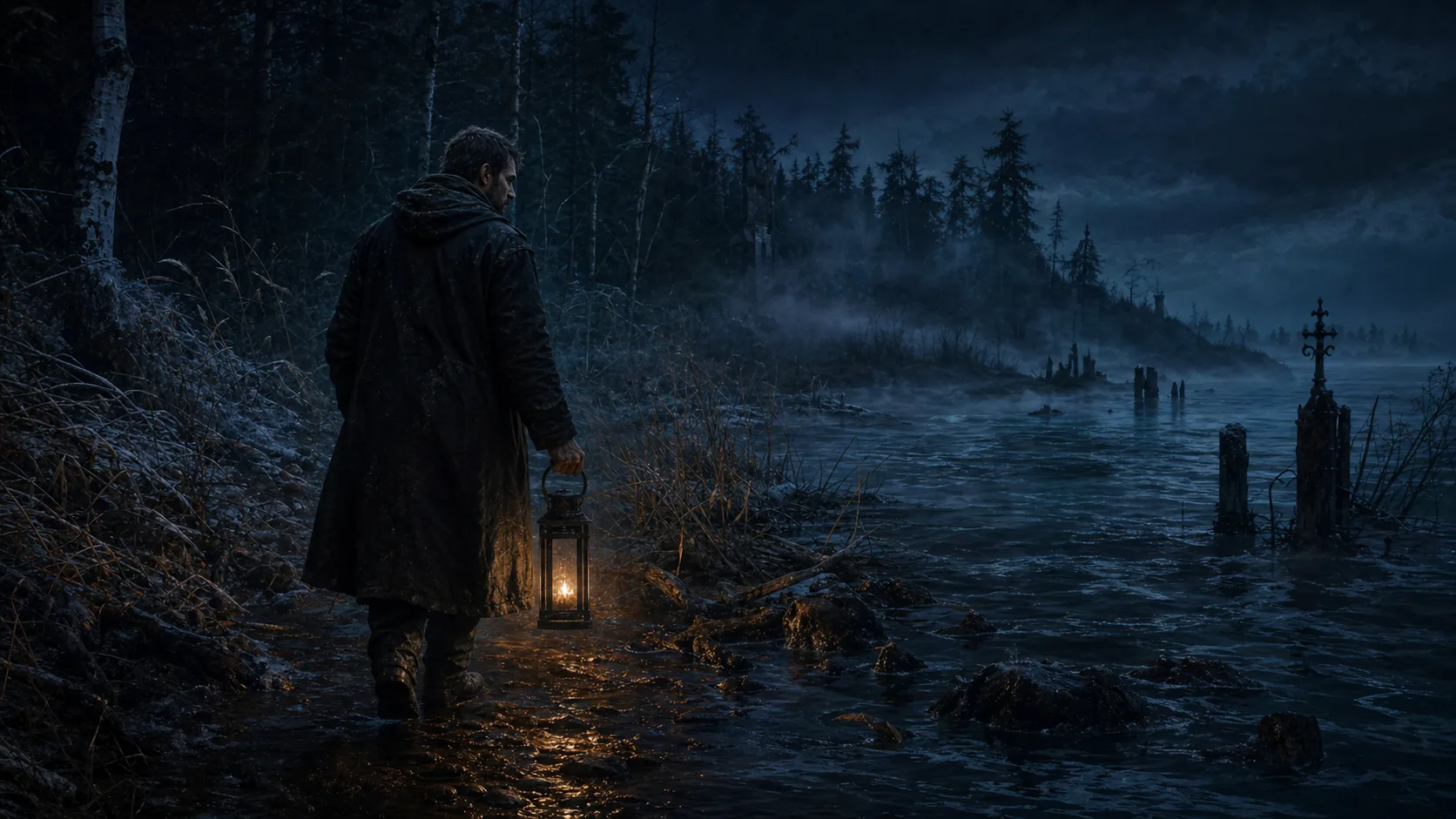
The forbidden shore receives him without welcome, and the forest beyond it begins to watch.
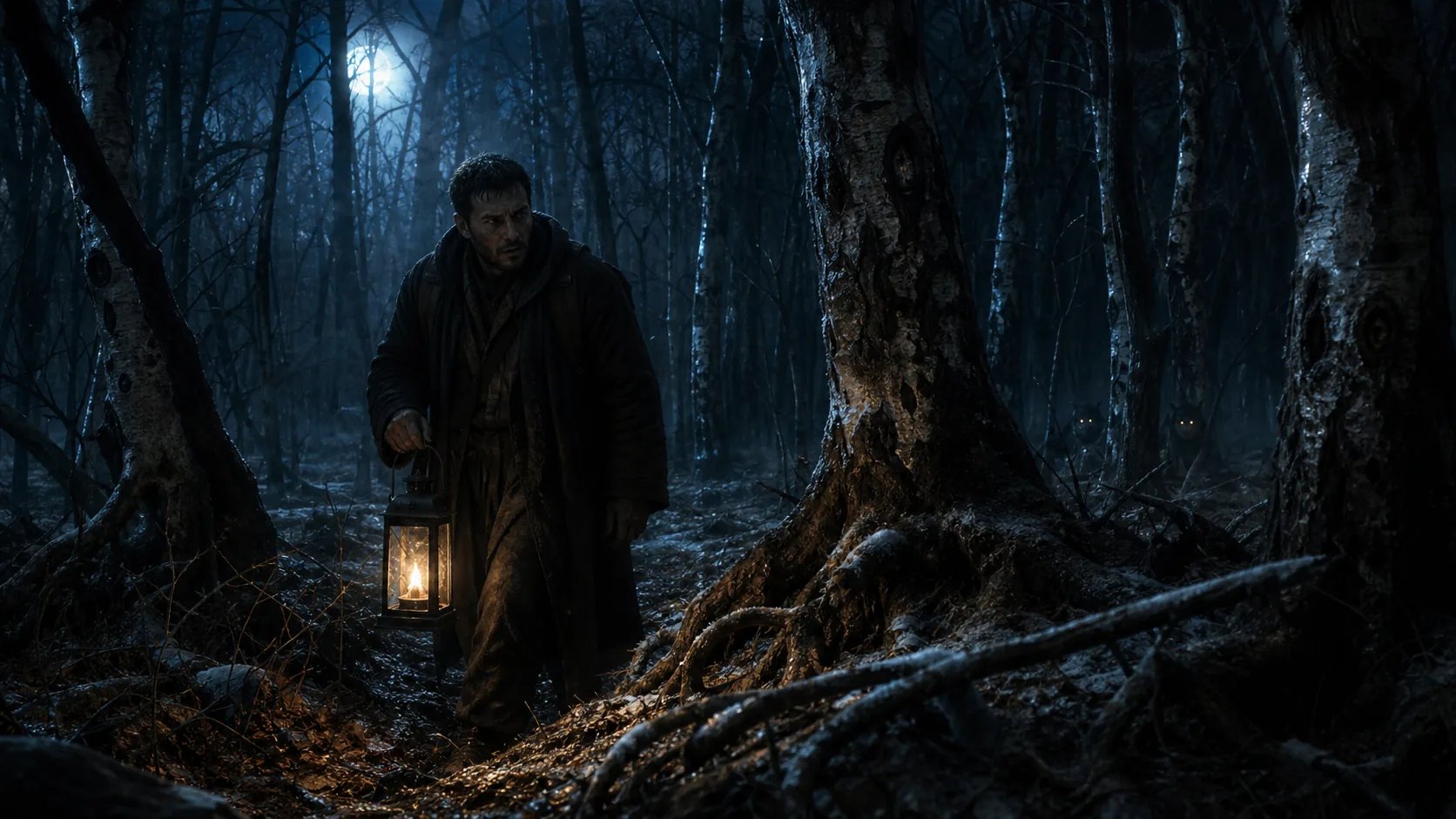
Among trees older than mercy, every branch seems to know why he has come.
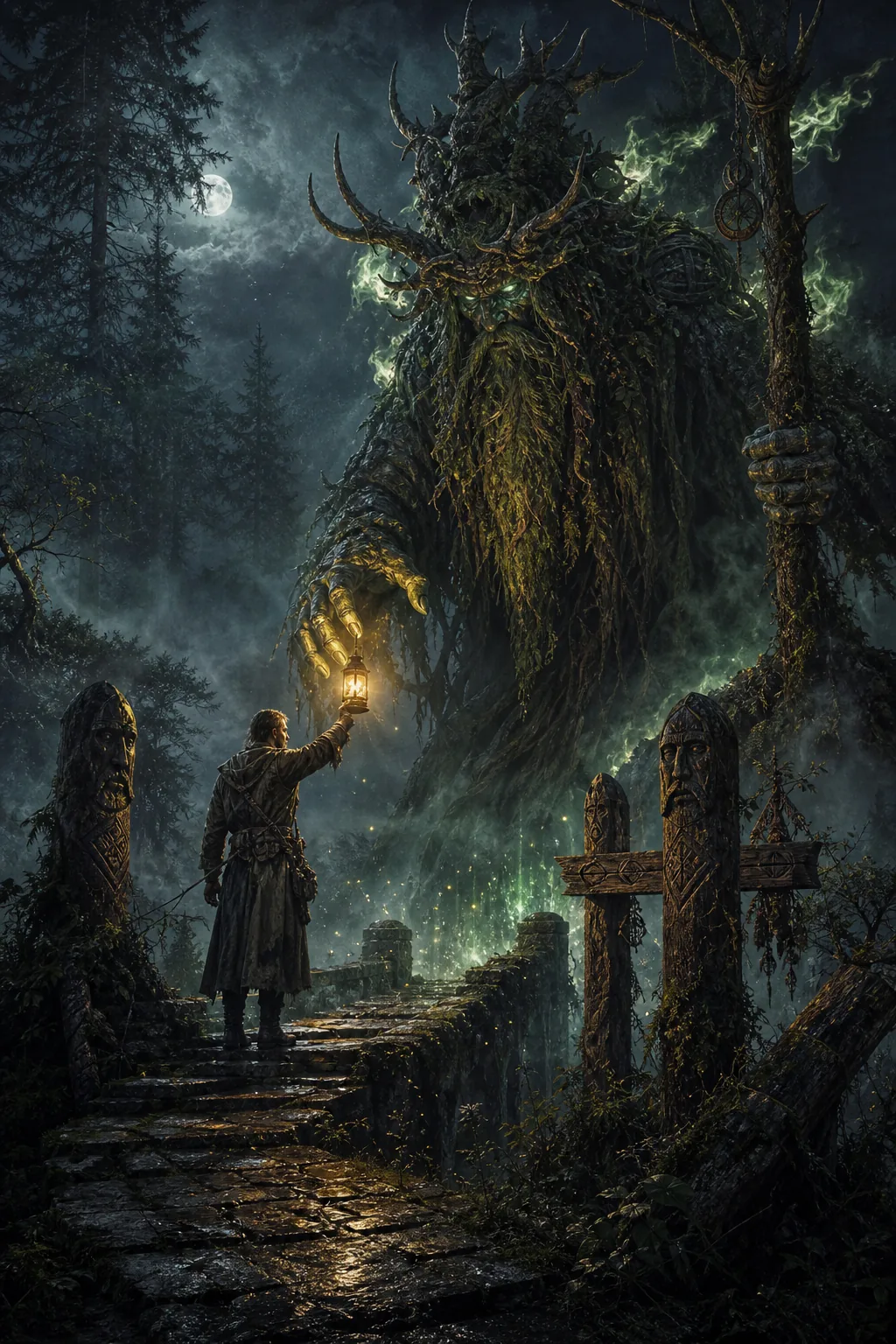
The Leshy bars the way, demanding not gold or blood, but the keeper’s own light.
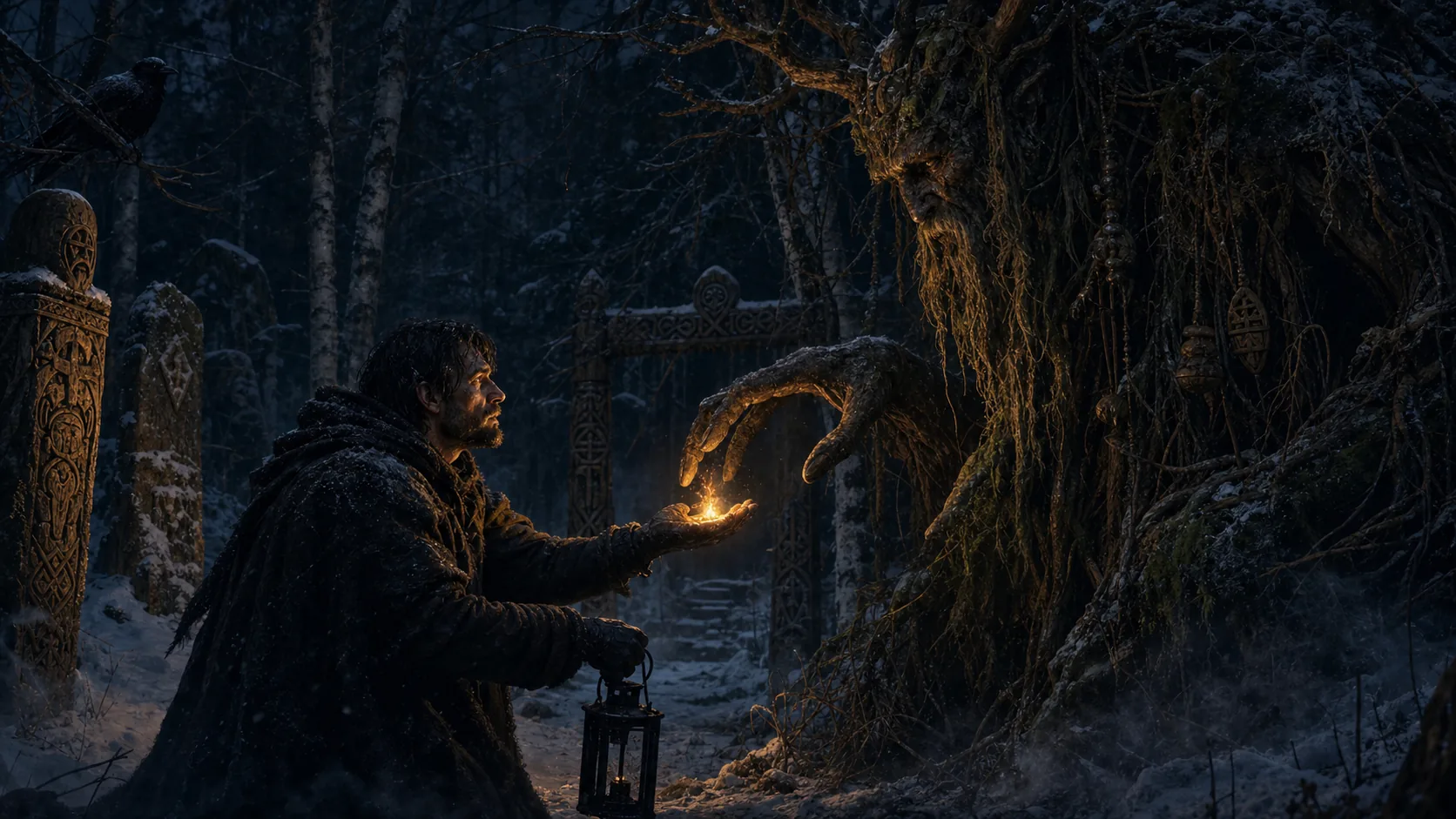
The flame leaves the lantern, and the dark road opens because the keeper has paid honestly.
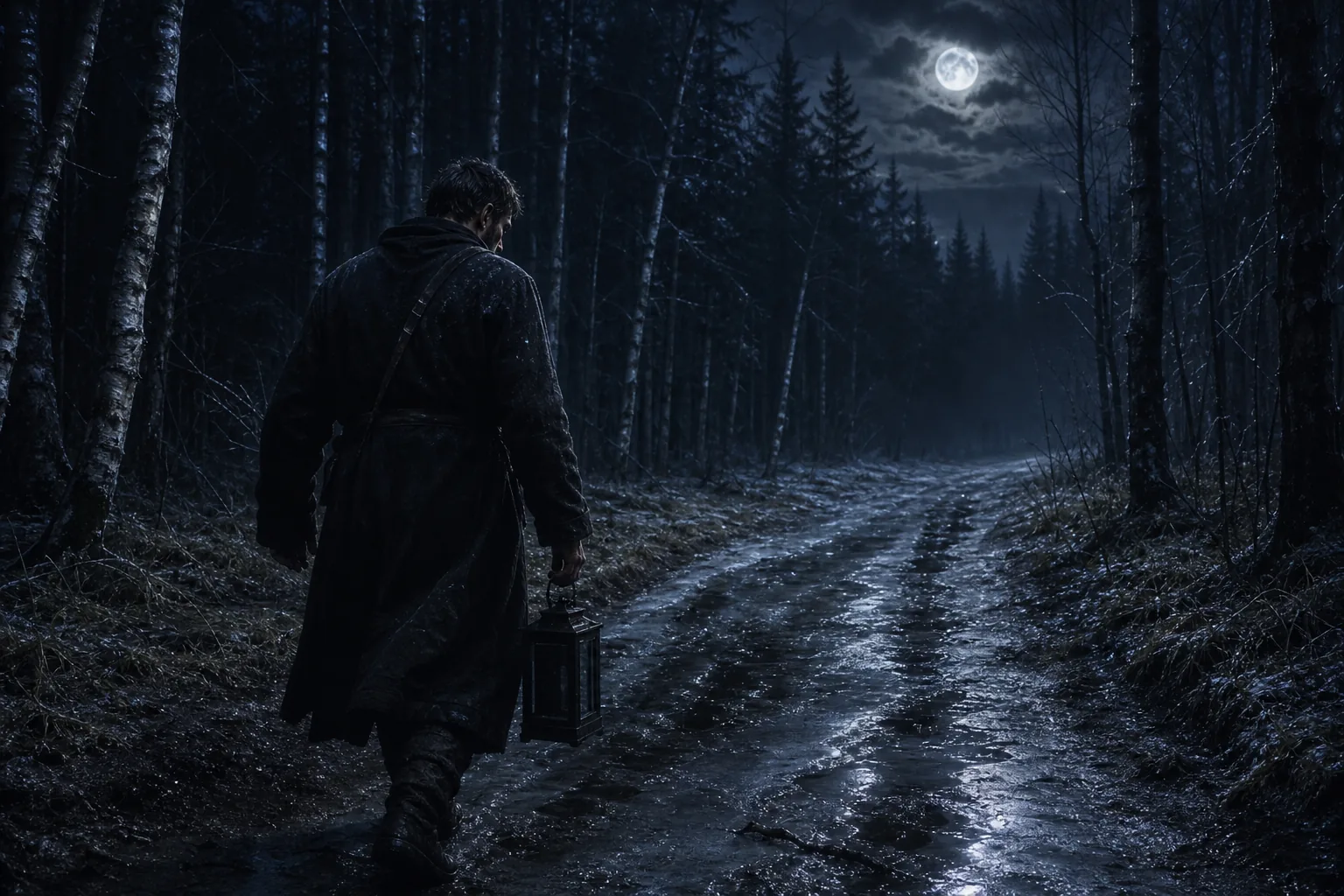
Without his flame, the keeper learns that darkness is not empty; it is listening.
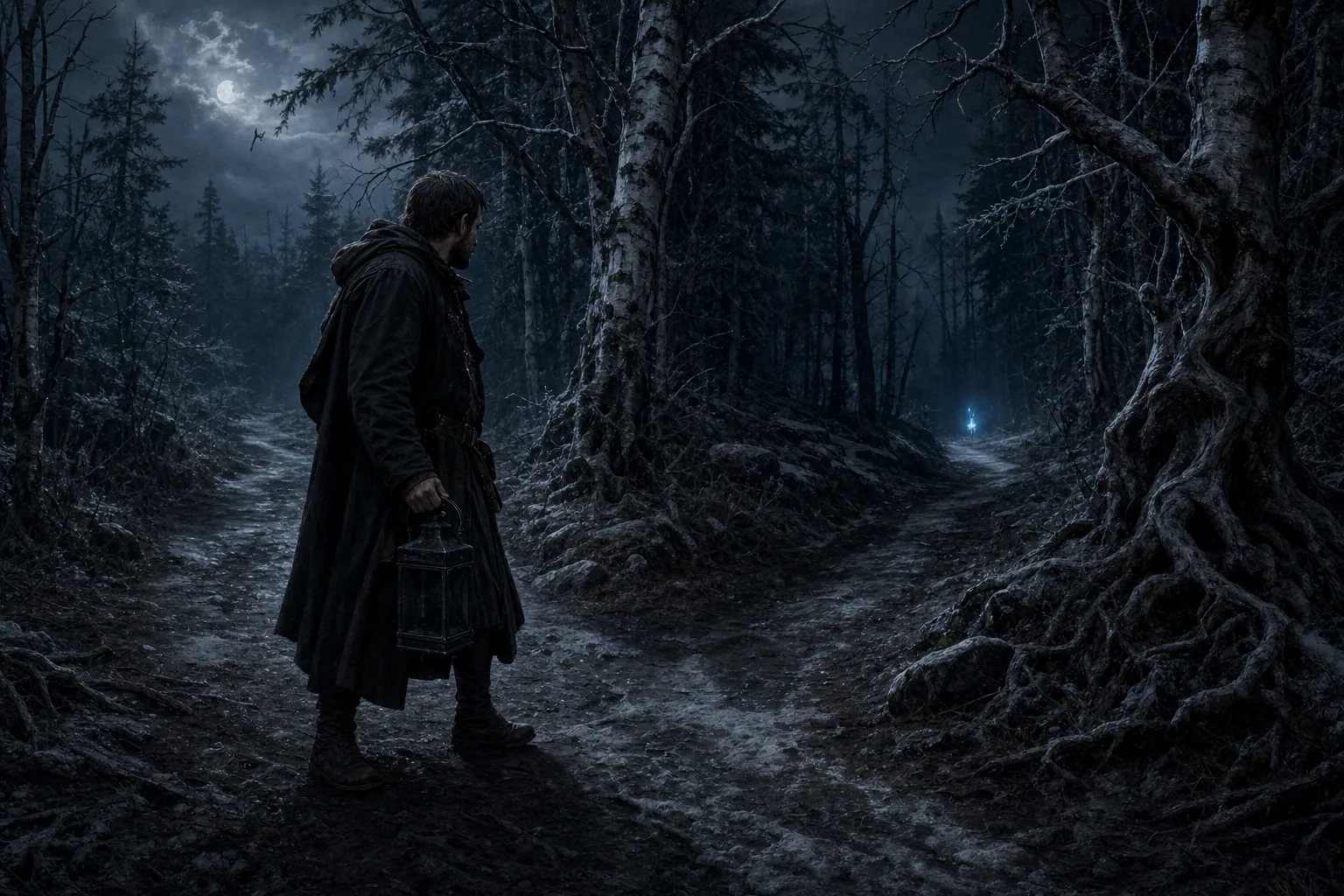
False light calls from safer paths, wearing kindness like a borrowed face.
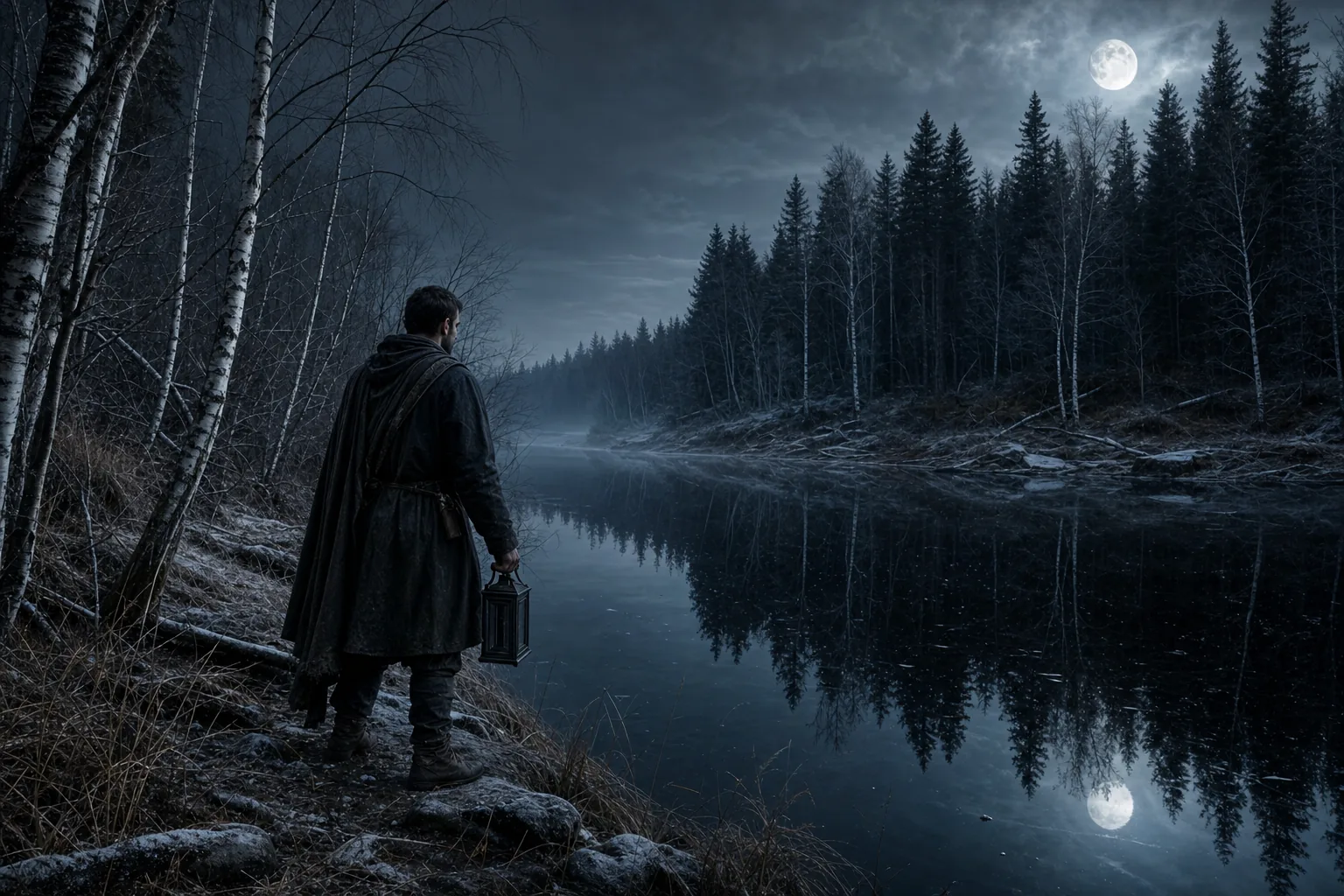
The river of black glass lies still as a mirror, showing him every fear that has followed him from the sea.
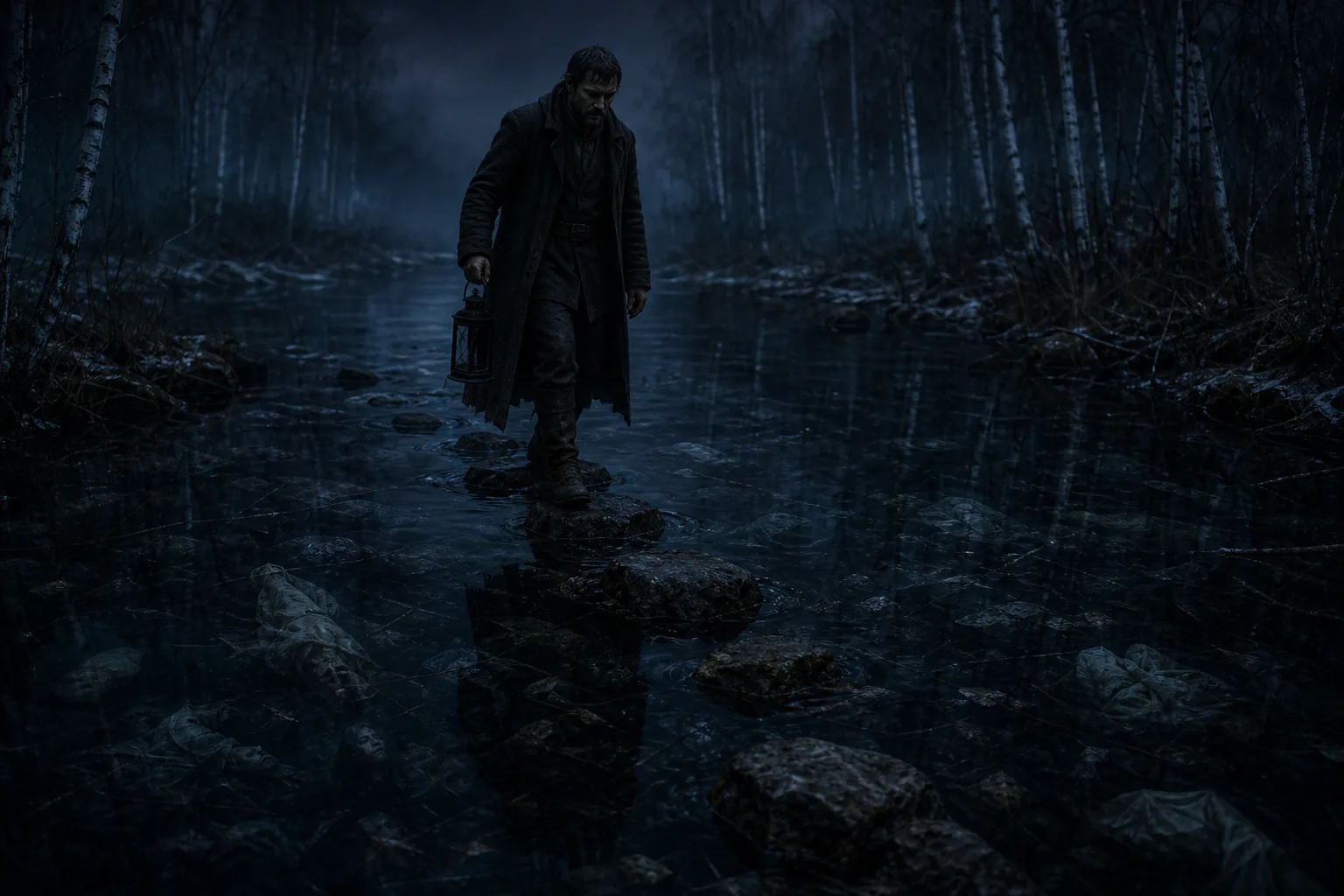
He crosses over drowned memories, careful not to look too long at the faces beneath the water.
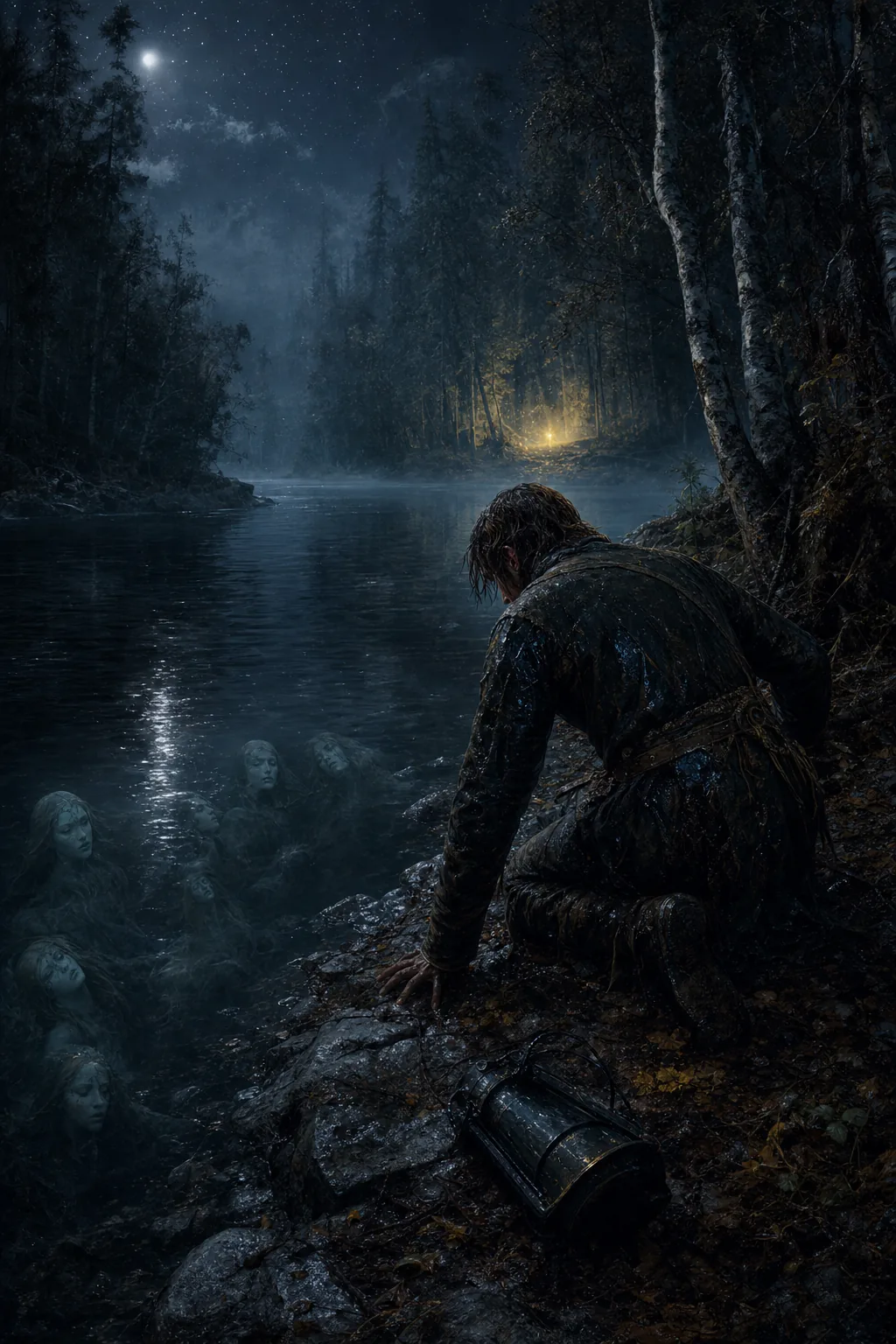
On the far bank, the road gives him no welcome, only proof that turning back has ended.
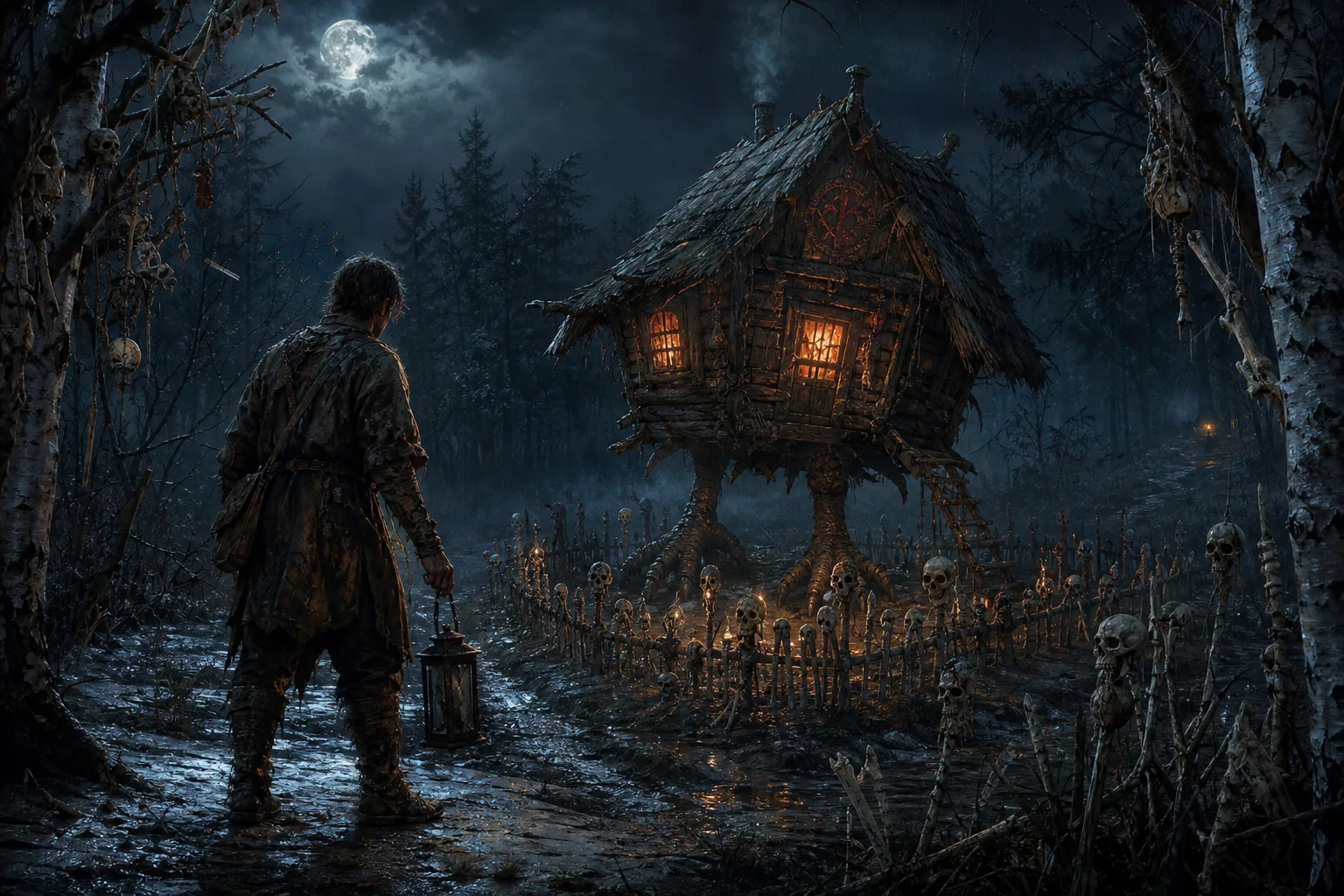
Baba Yaga’s hut waits on its crooked legs, warm as a kitchen and dangerous as a verdict.
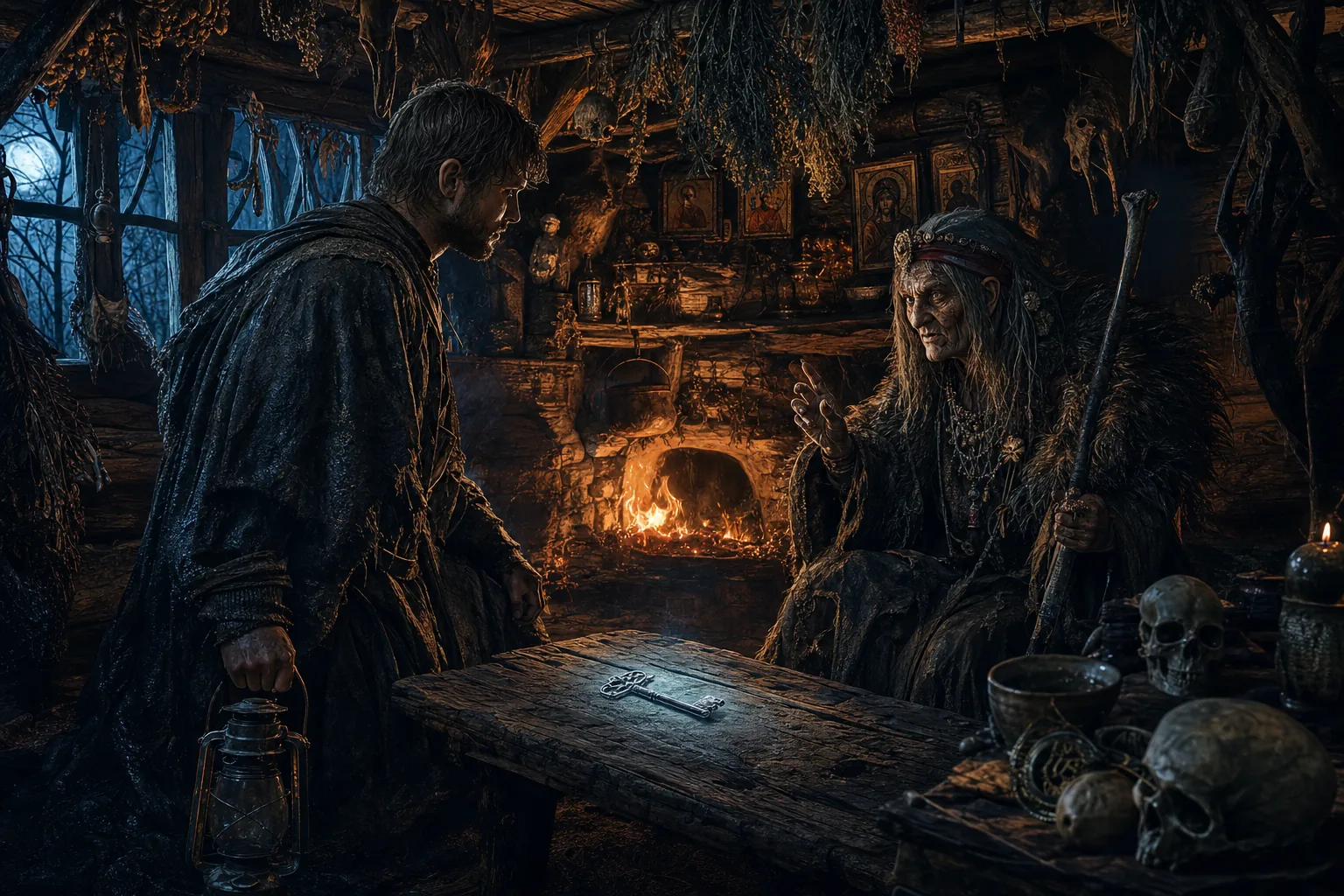
Baba Yaga will give him the iron key, but only under the oldest rule: he may open the prison, yet Искорка must choose to wake and walk beside him.
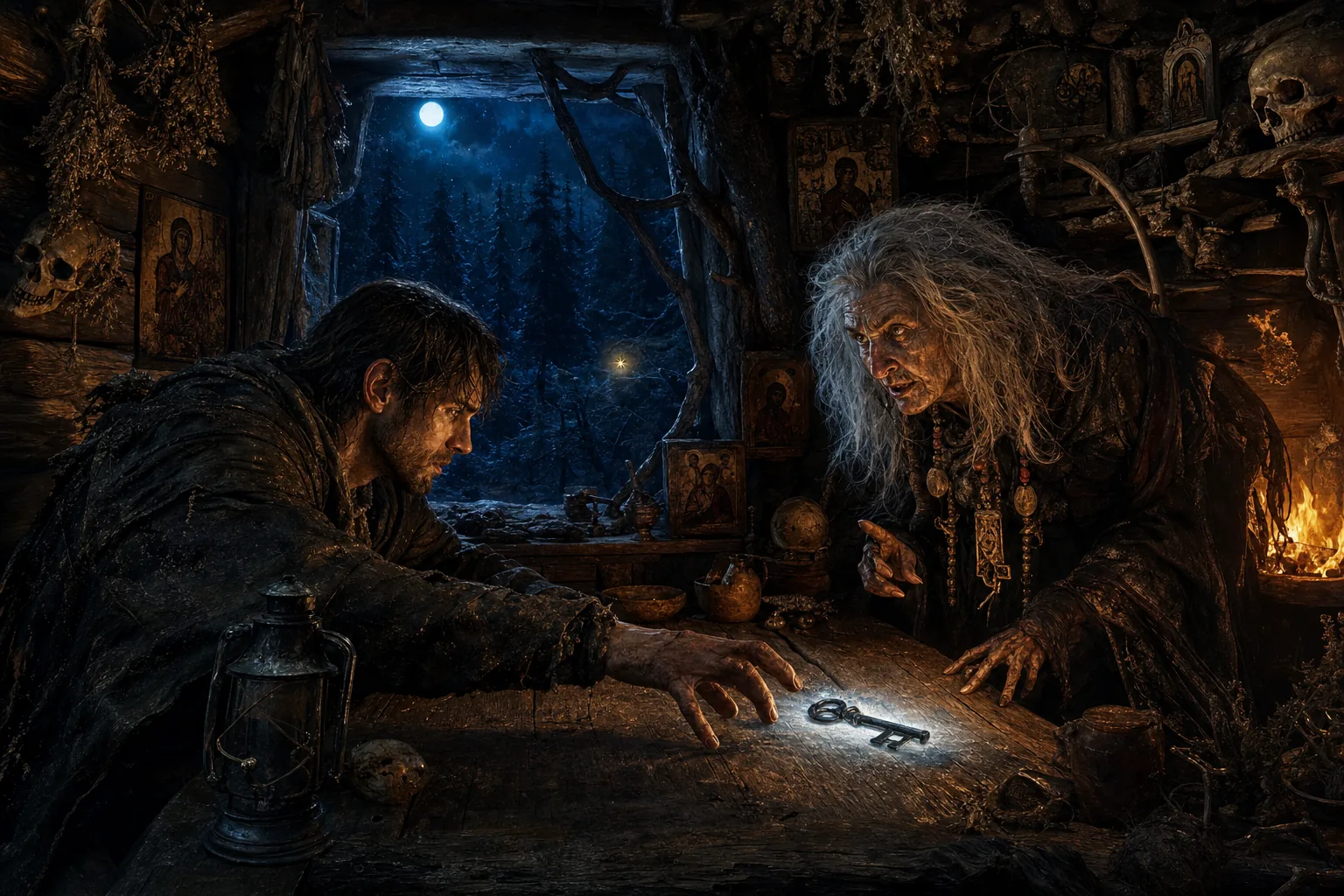
The iron key is given with a warning: force may open a door, but it cannot rescue a soul.
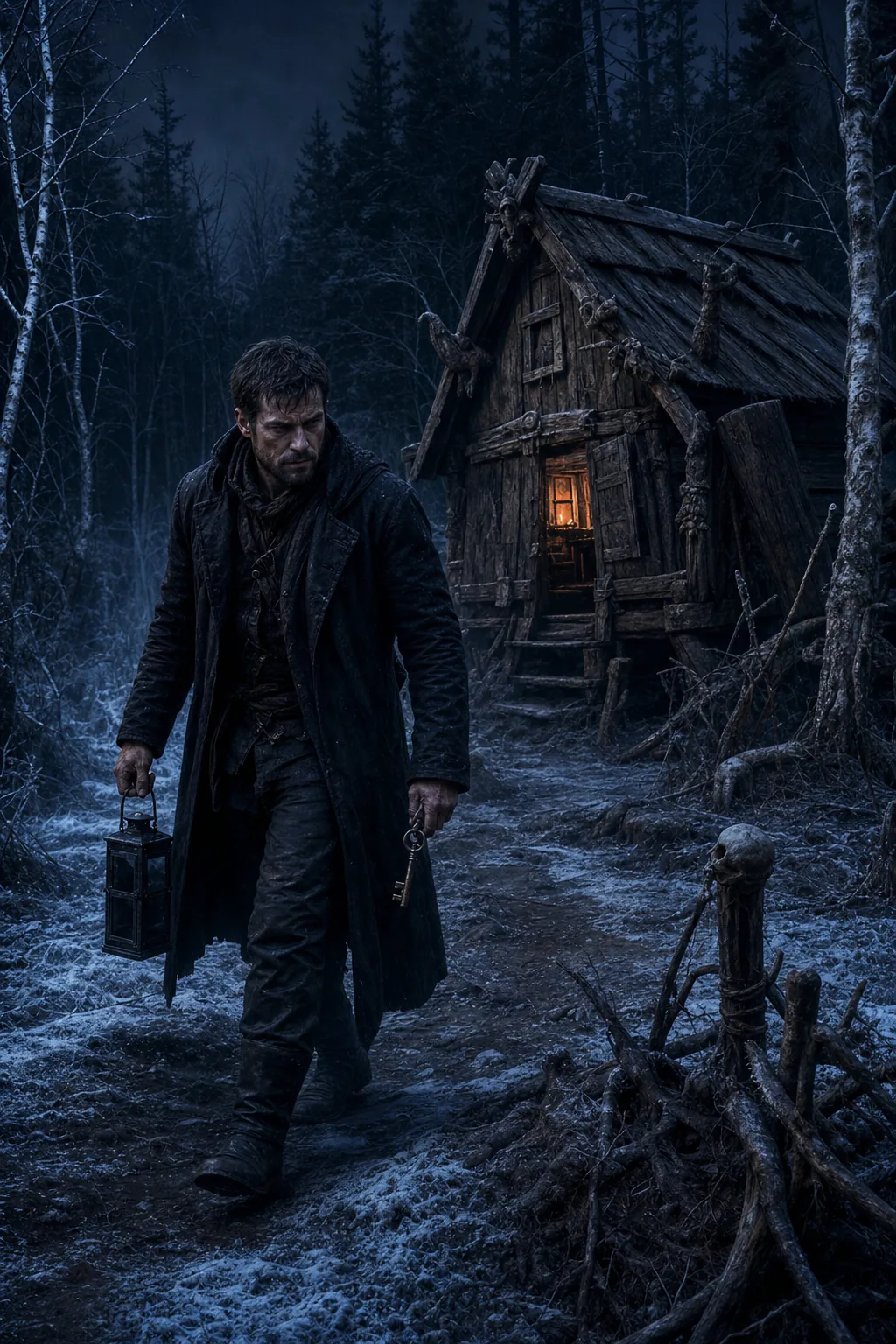
He departs Baba Yaga’s clearing with the iron key, and the hut’s fire watches him go.
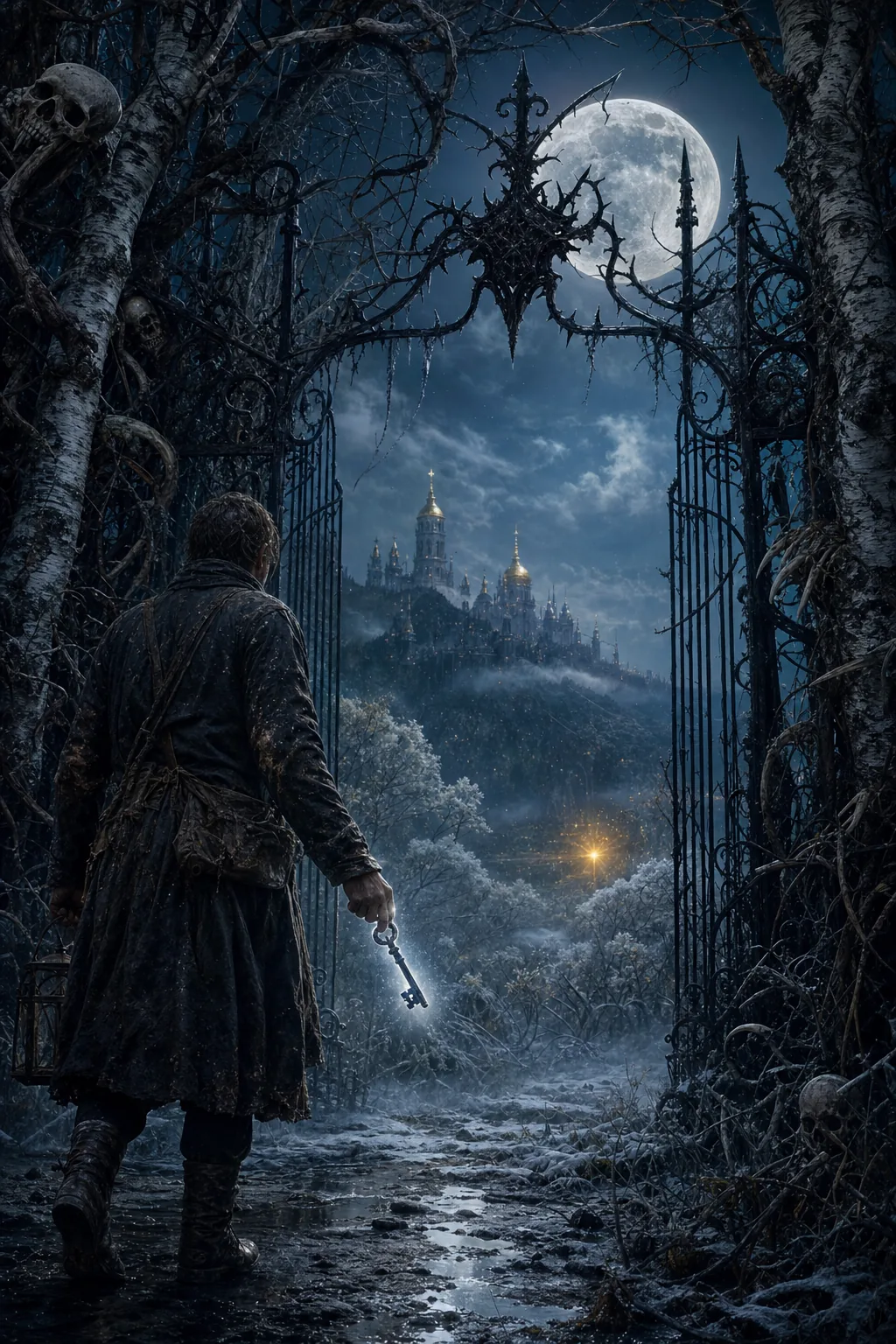
The iron gate of the sleeping kingdom waits where ordinary courage has already failed.
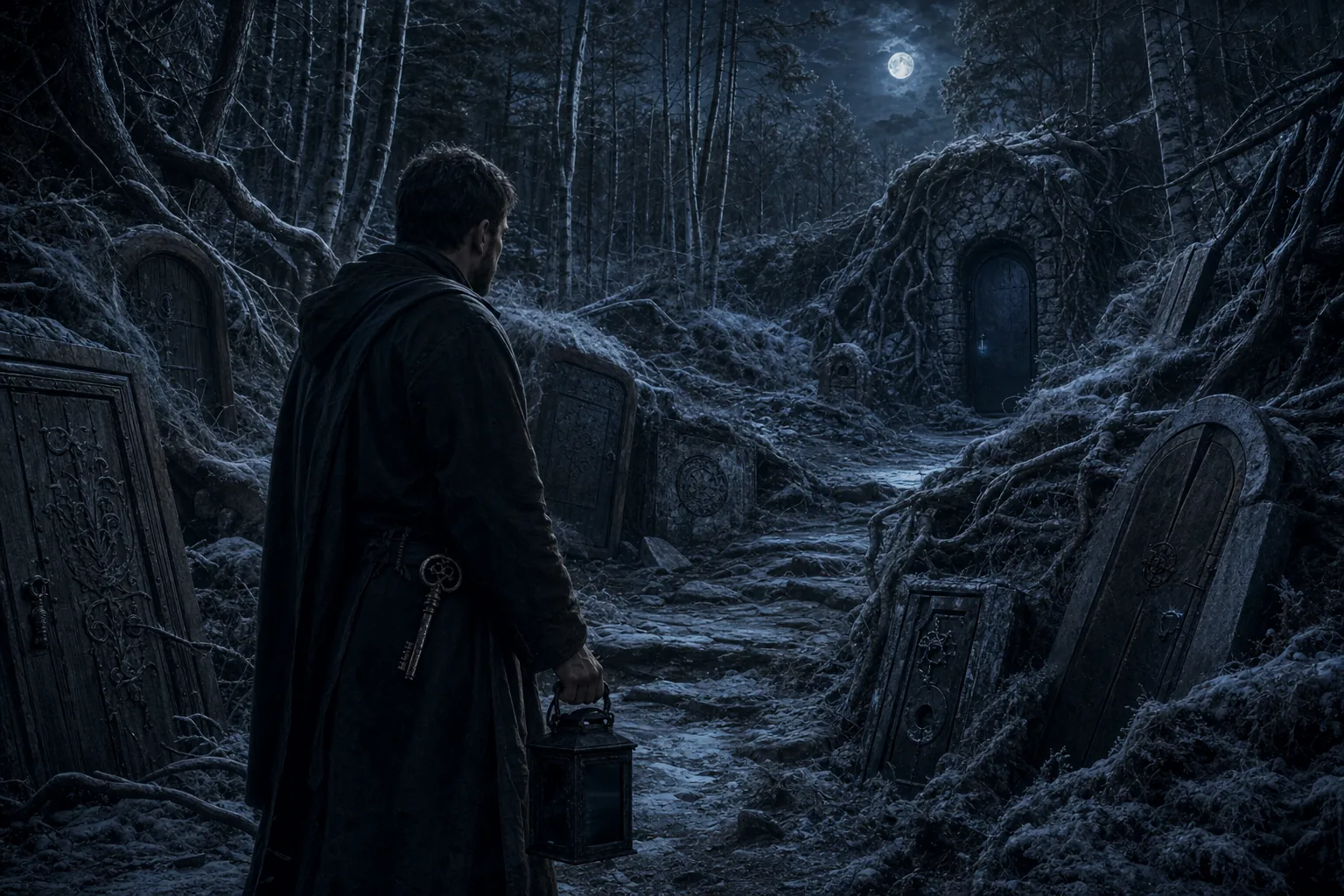
In the valley of sleeping doors, only the humblest entrance seems to remember the way down.
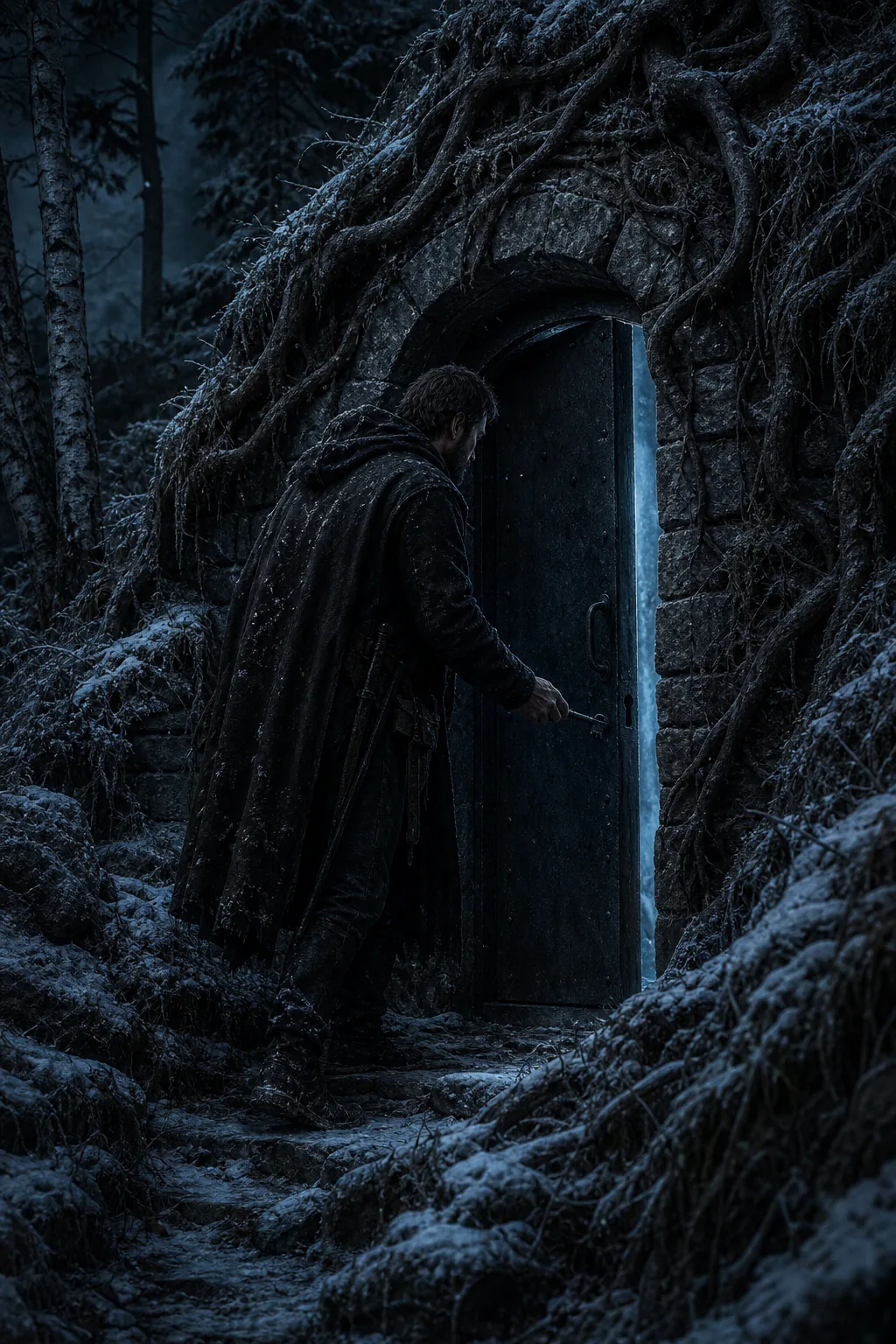
The humble door opens onto a silence deeper than stone.
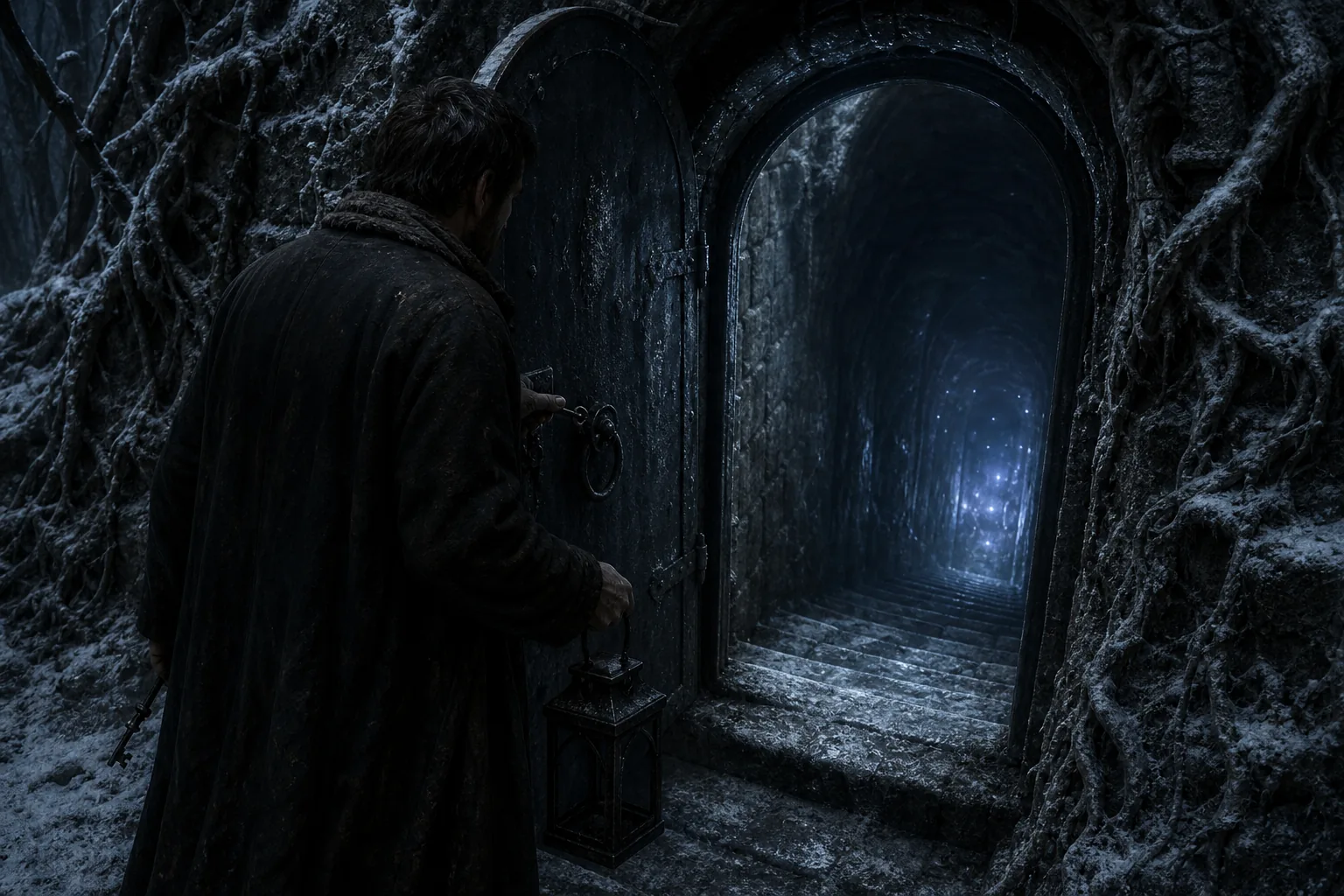
The stair descends beneath the fairy realm, where lost names sleep under frost and iron.
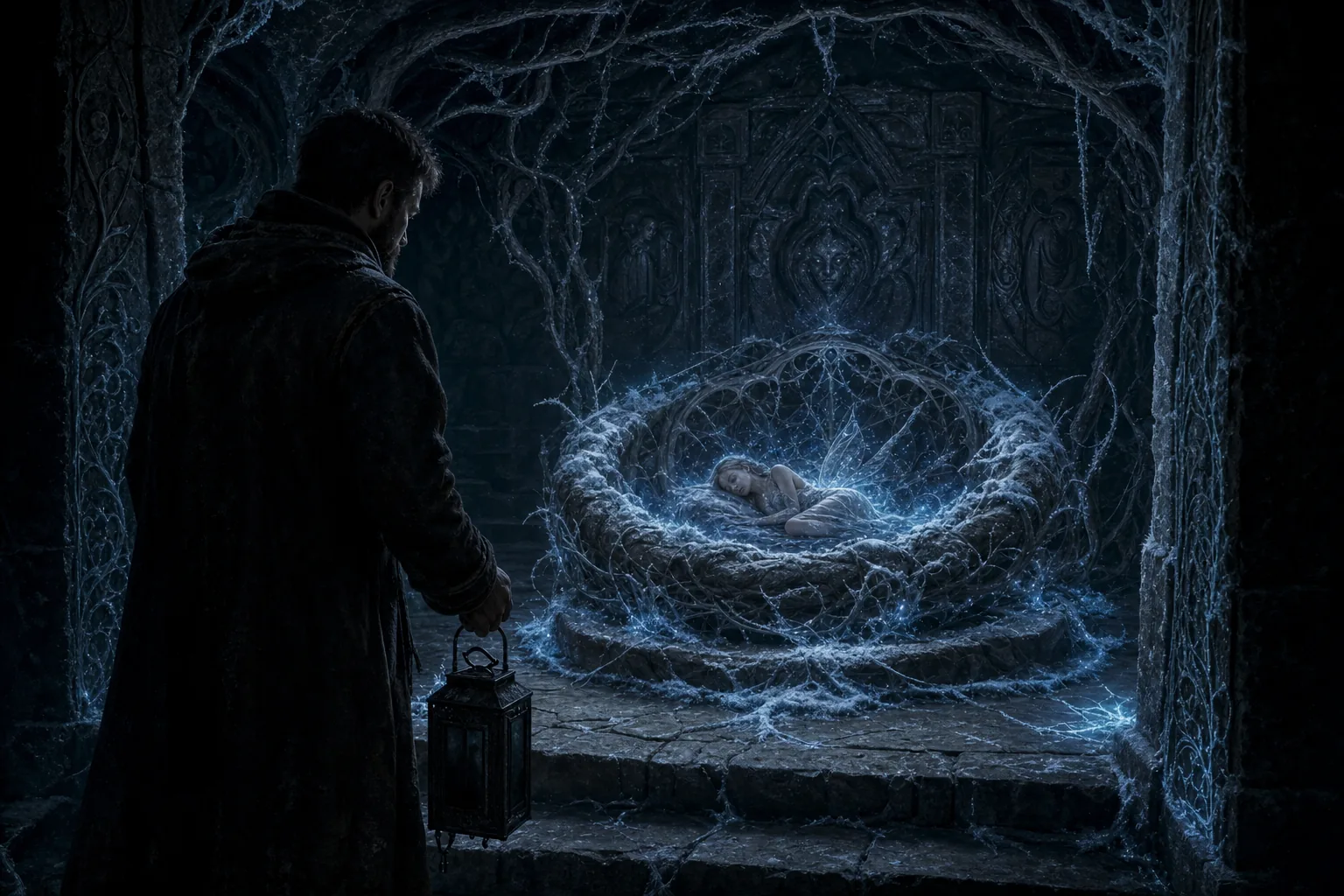
There, within the curse’s keeping, Искорка lies like a spark the world has tried to forget.
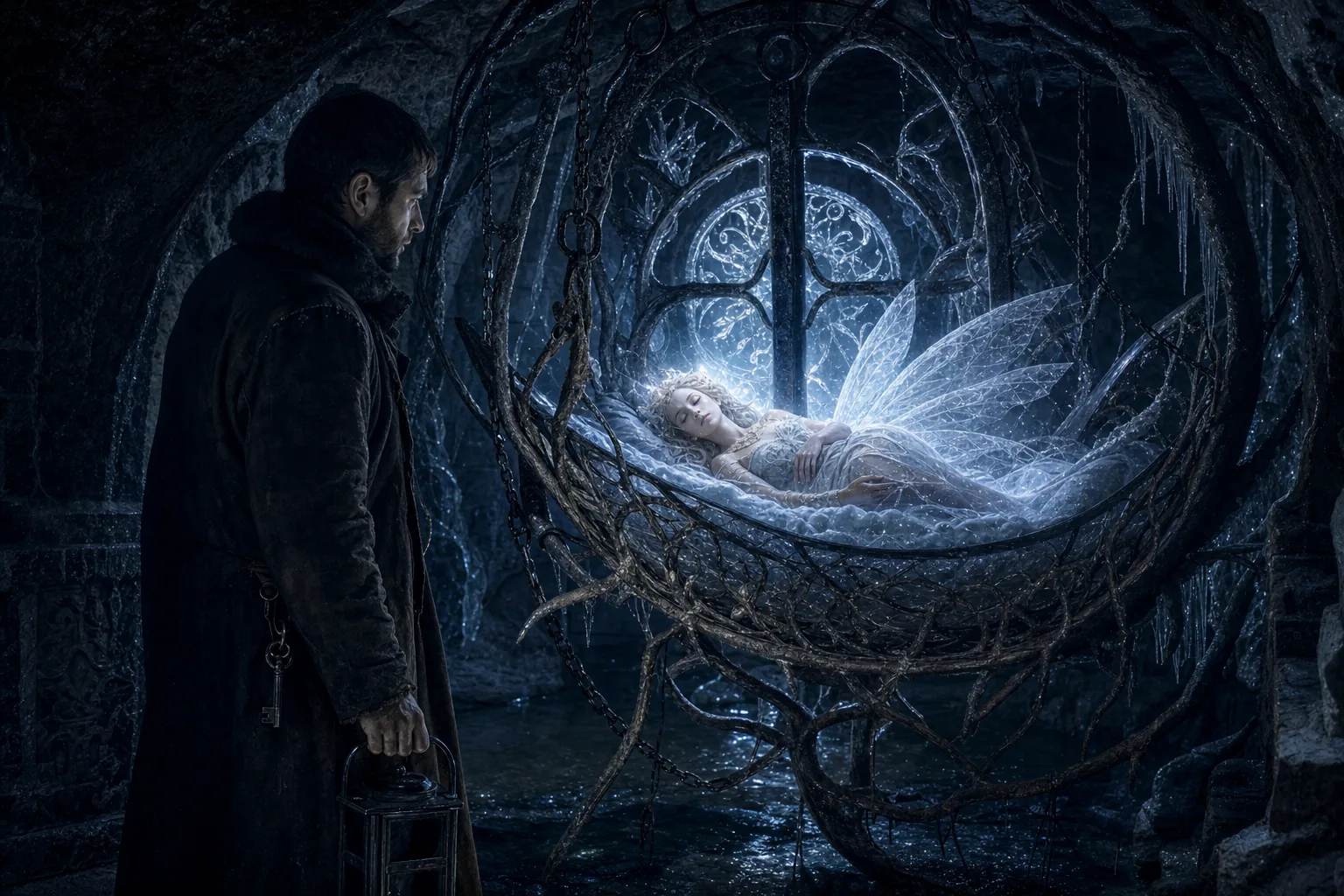
Искорка sleeps within the chamber’s hush, beautiful, fragile, and almost erased from the world.
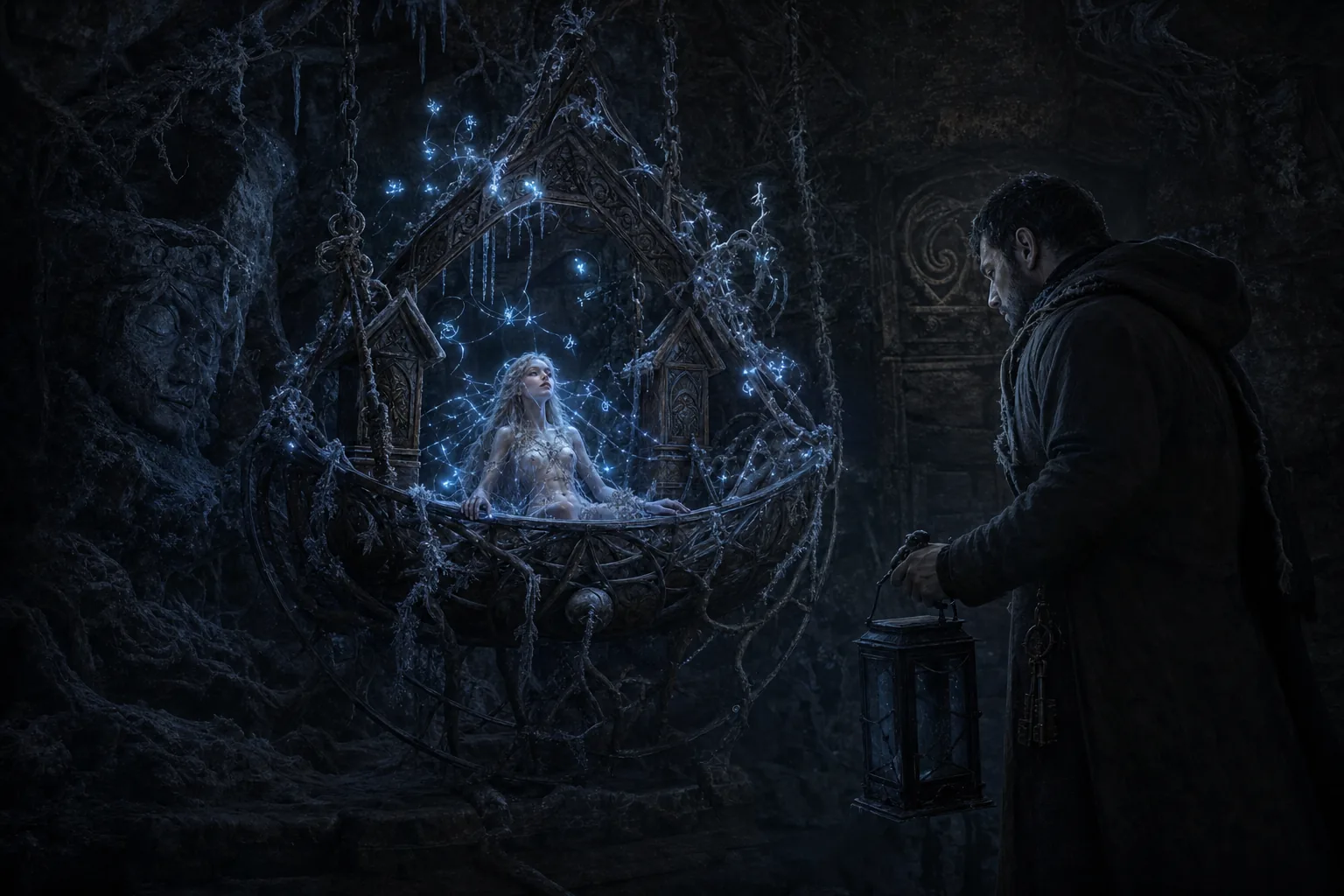
The empty lantern remembers her before the keeper dares to speak.
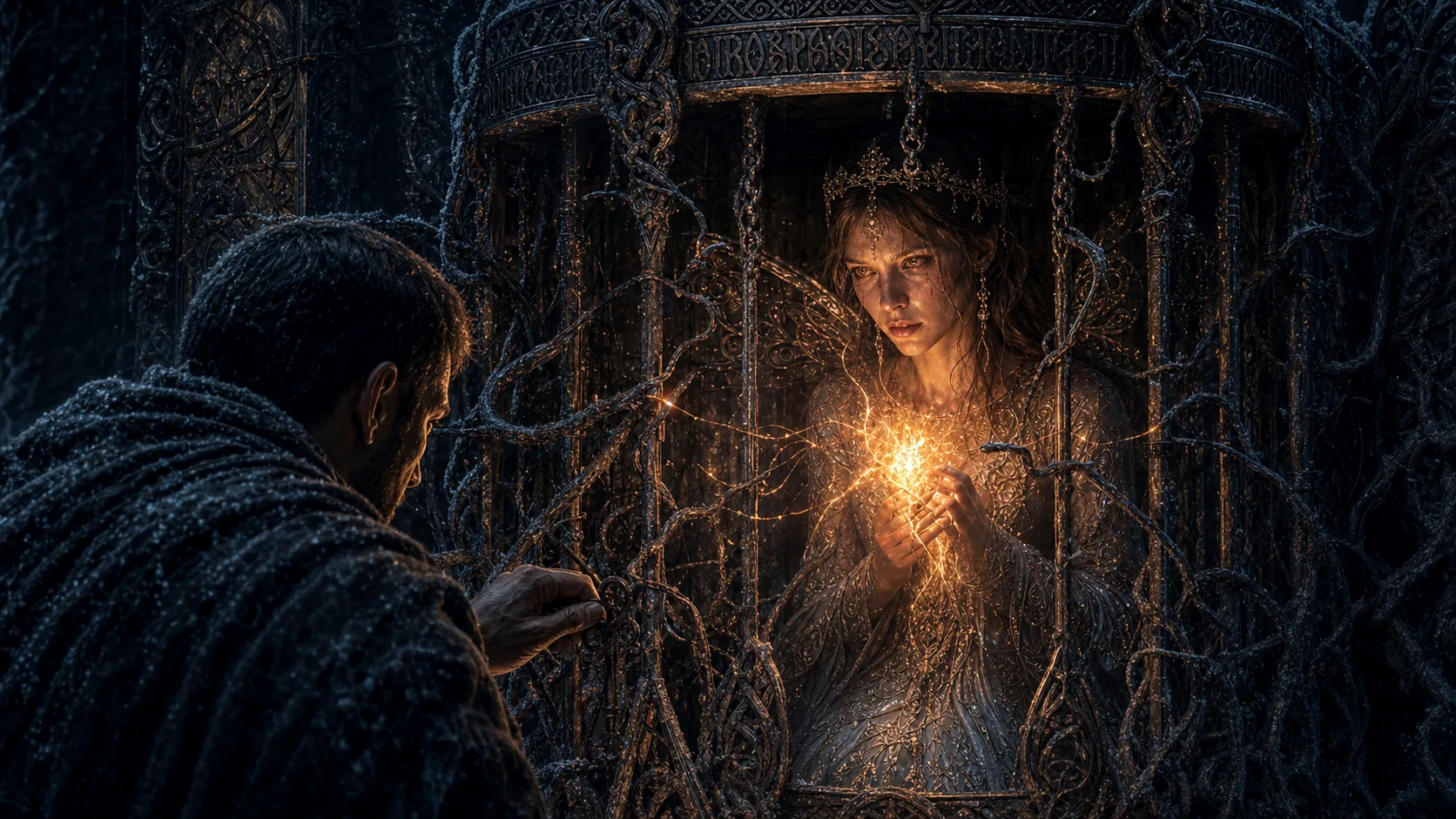
The prison wakes around them, stone remembering its cruelty faster than mercy can move.
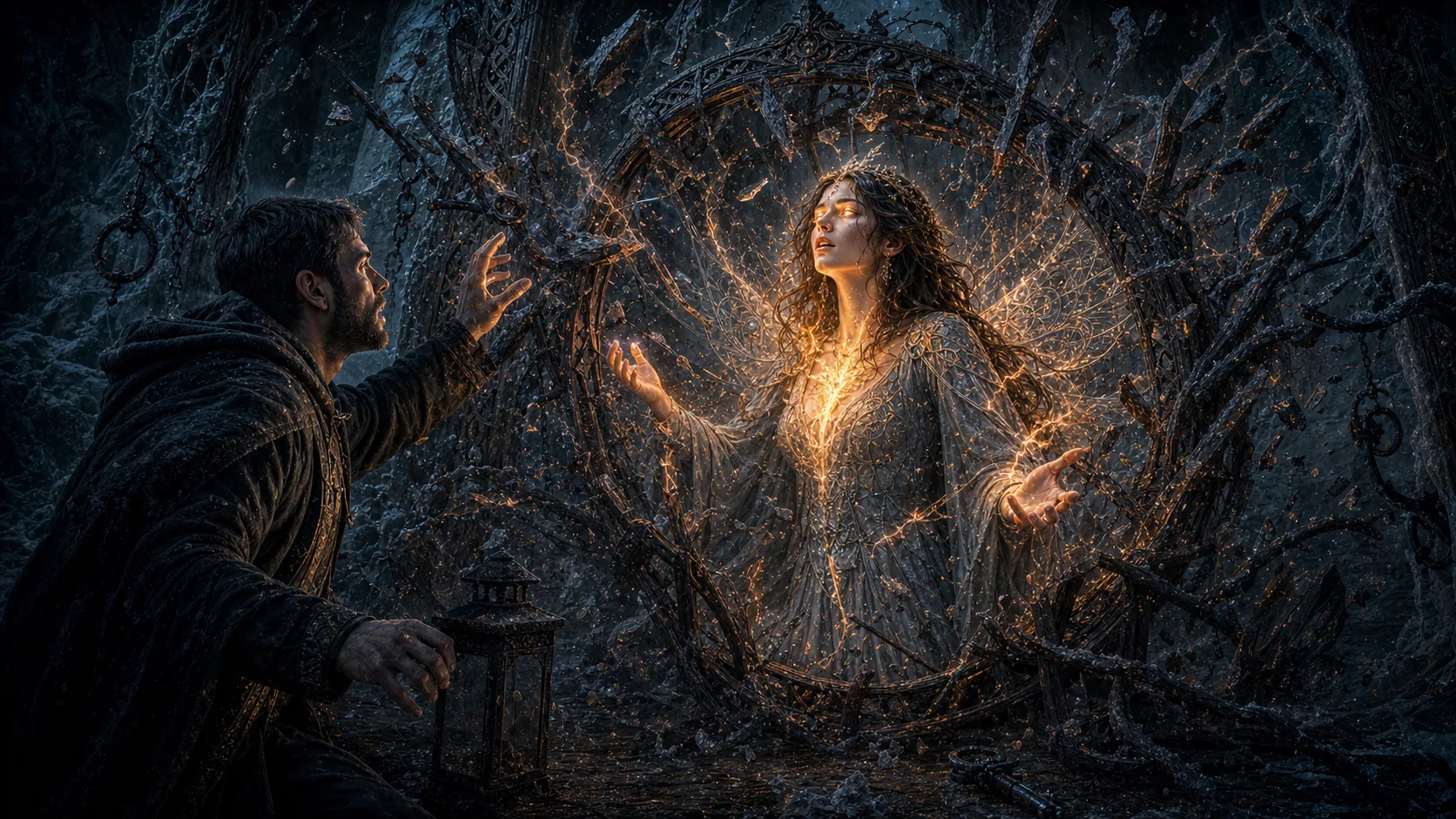
Her name breaks the cage, not with thunder, but with the authority of being remembered.
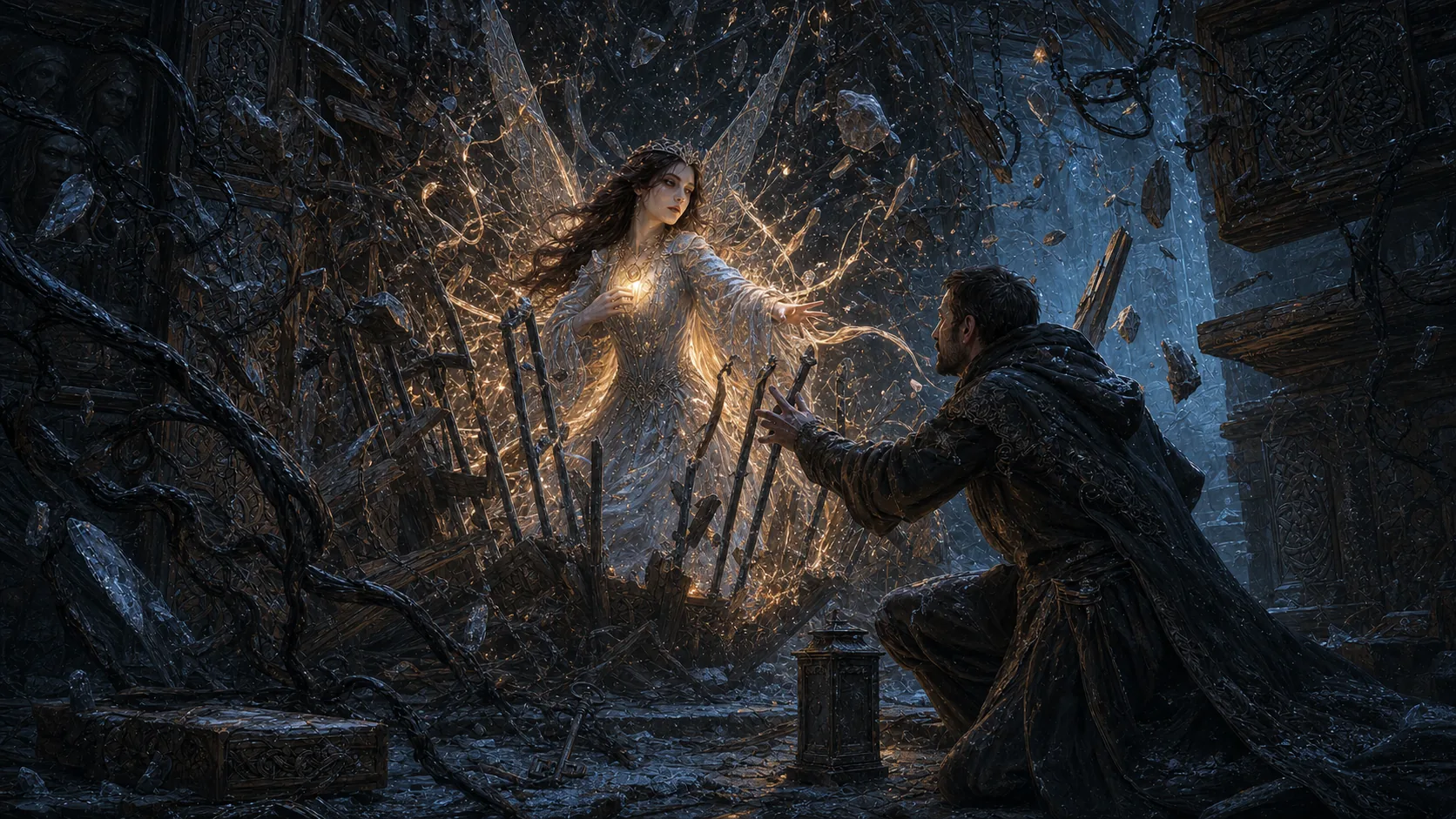
The cage opens and the chamber breaks, as if the whole prison had been holding its breath against her.
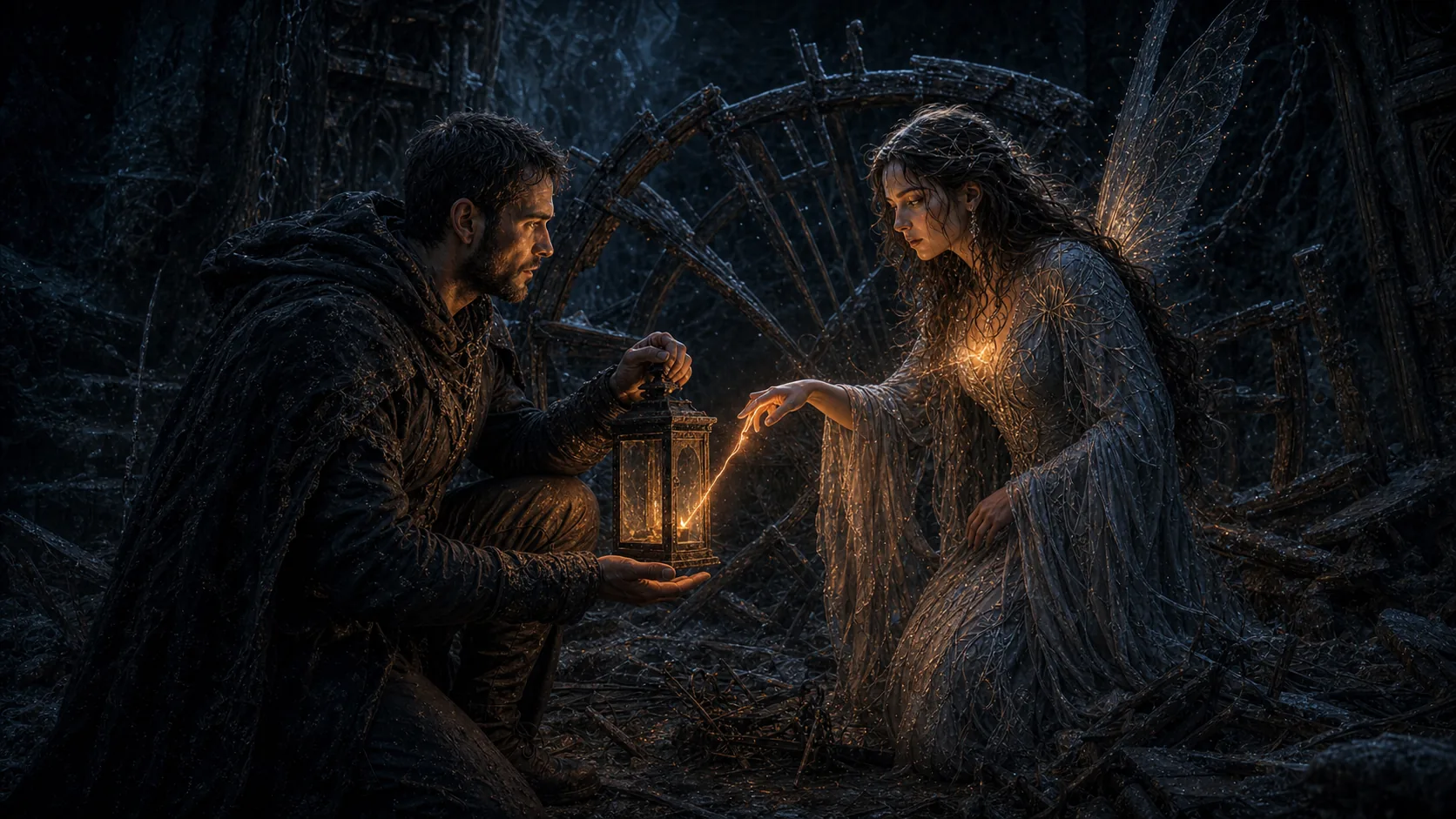
Their first touch is not rescue completed, but rescue begun.
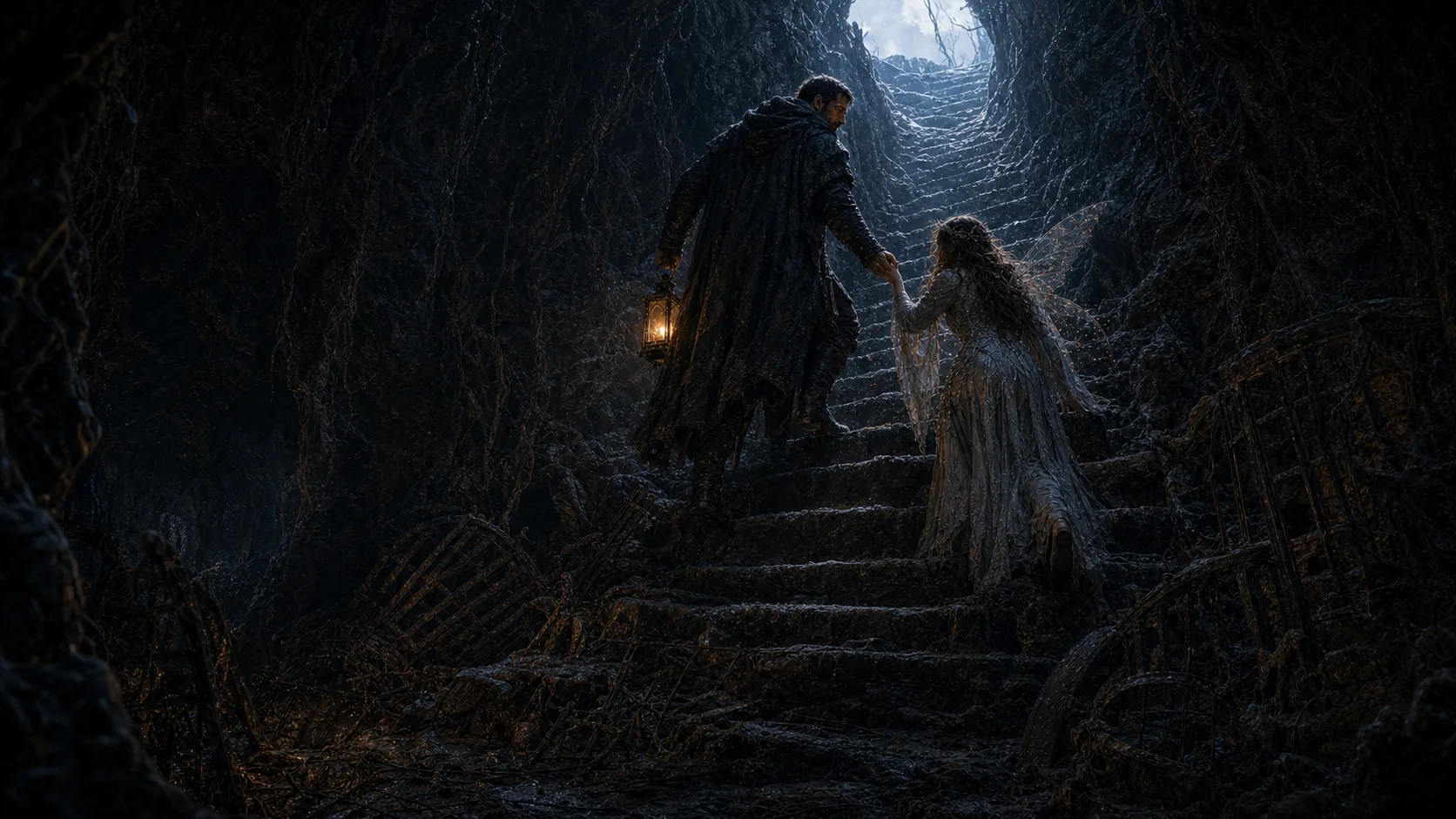
Together they climb toward the broken edge of freedom.
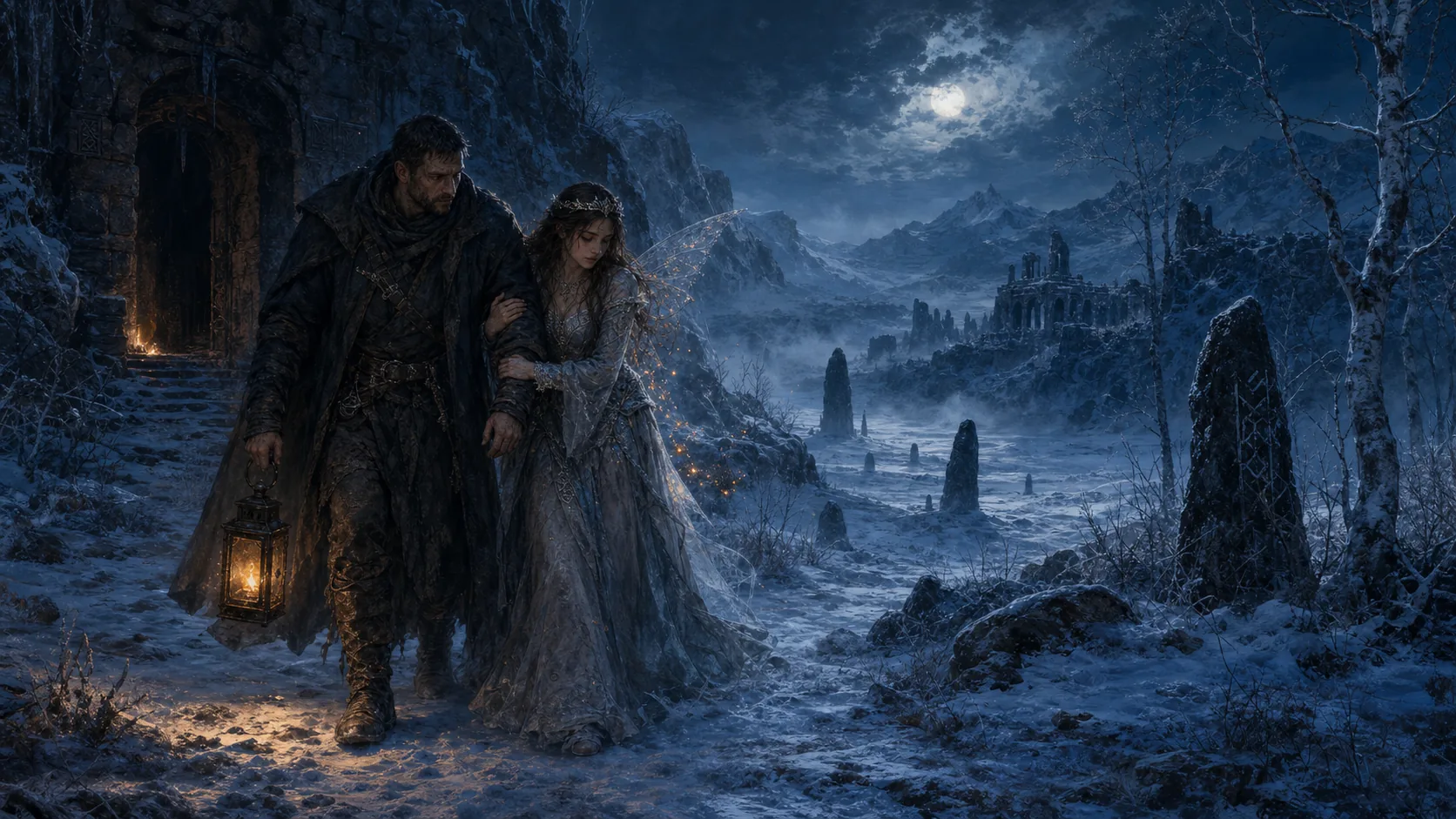
Beyond the prison, the frozen valley opens its eyes.
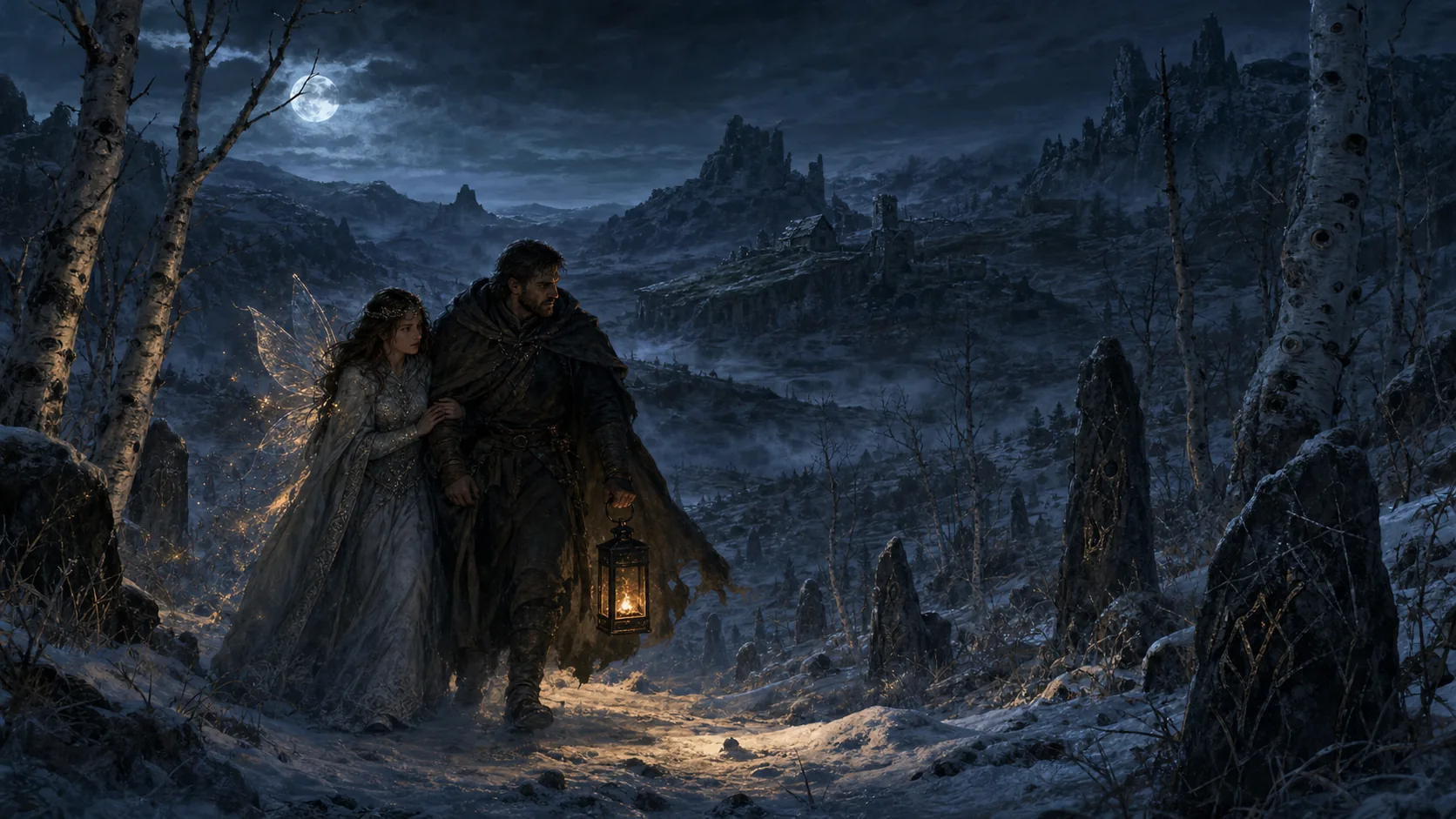
The valley watches them pass, patient as a curse and nearly as old.
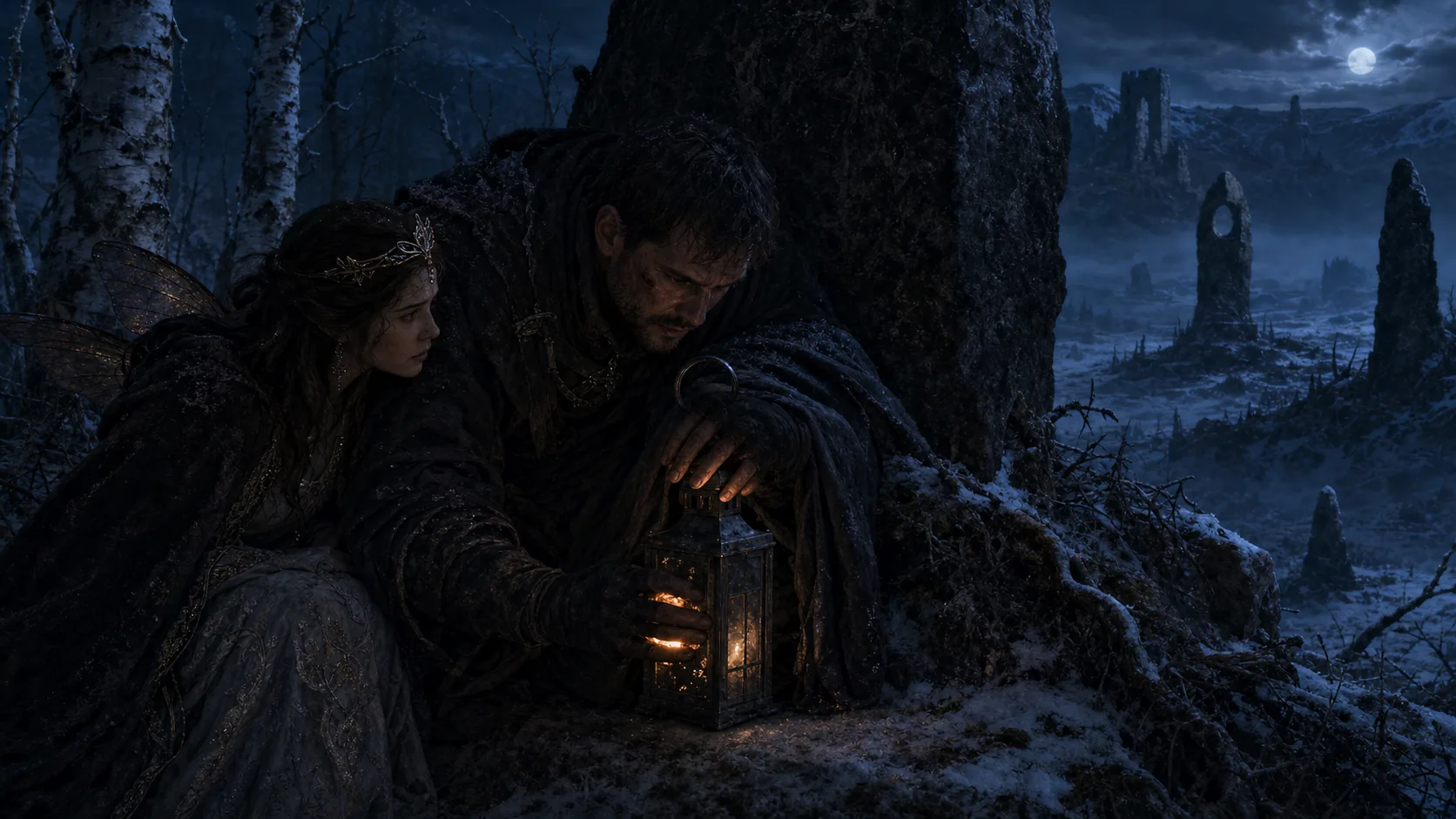
The lantern’s warmth must be hidden, for even hope can betray them in the wrong dark.
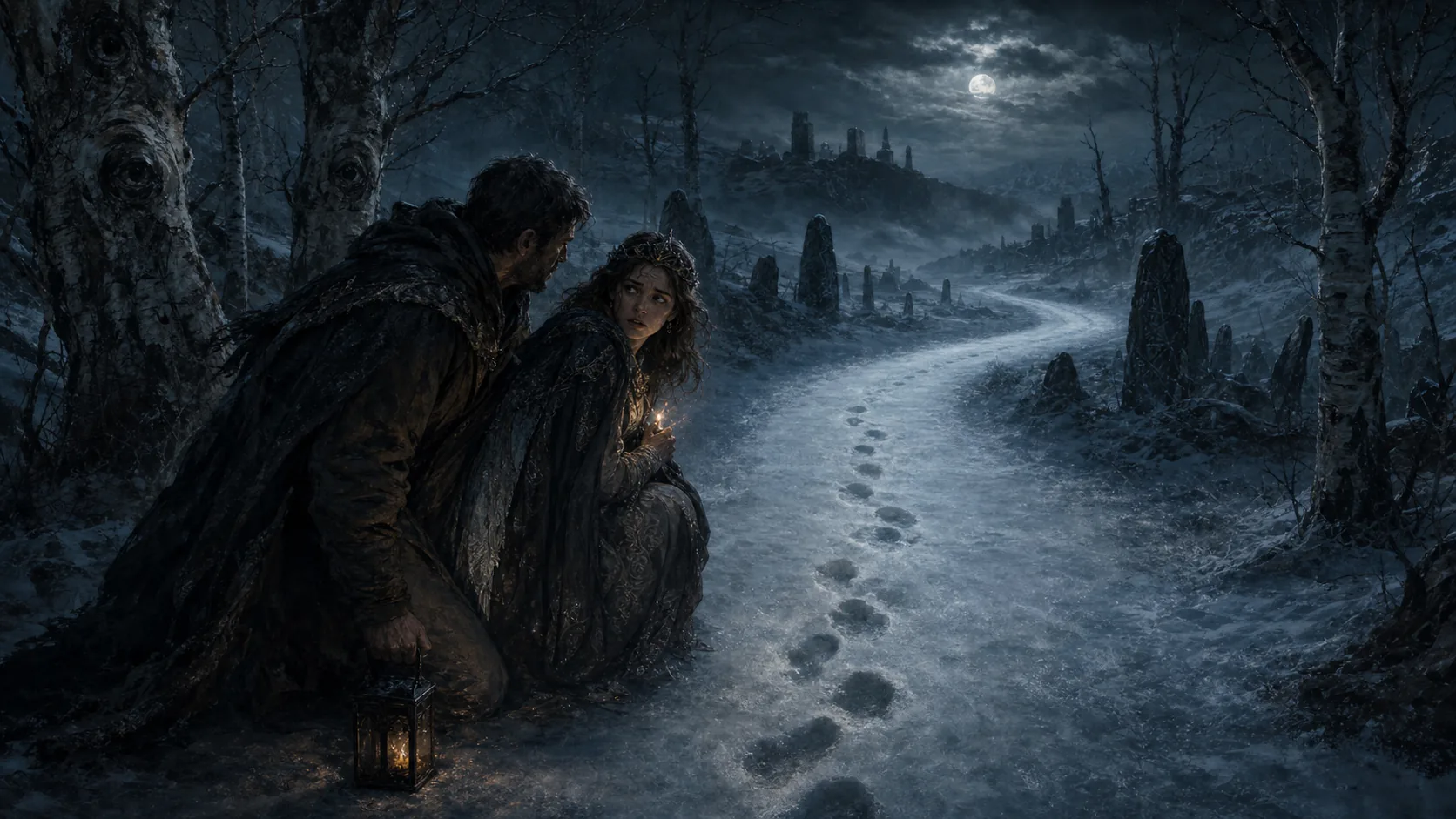
The path refuses their footprints, and so the wolves must hunt memory instead.
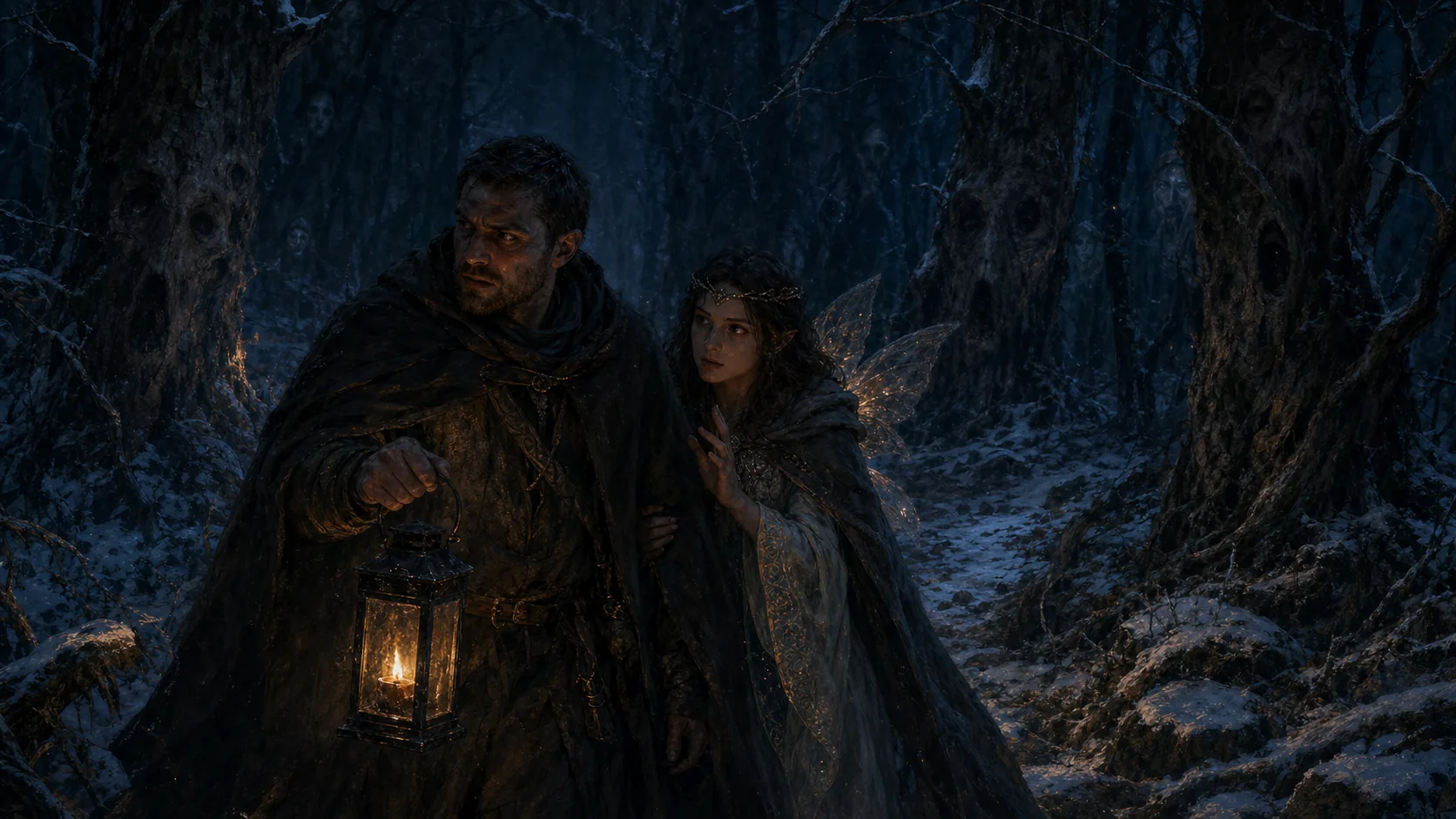
Voices call from the trees, but answering would give the dark a handle.
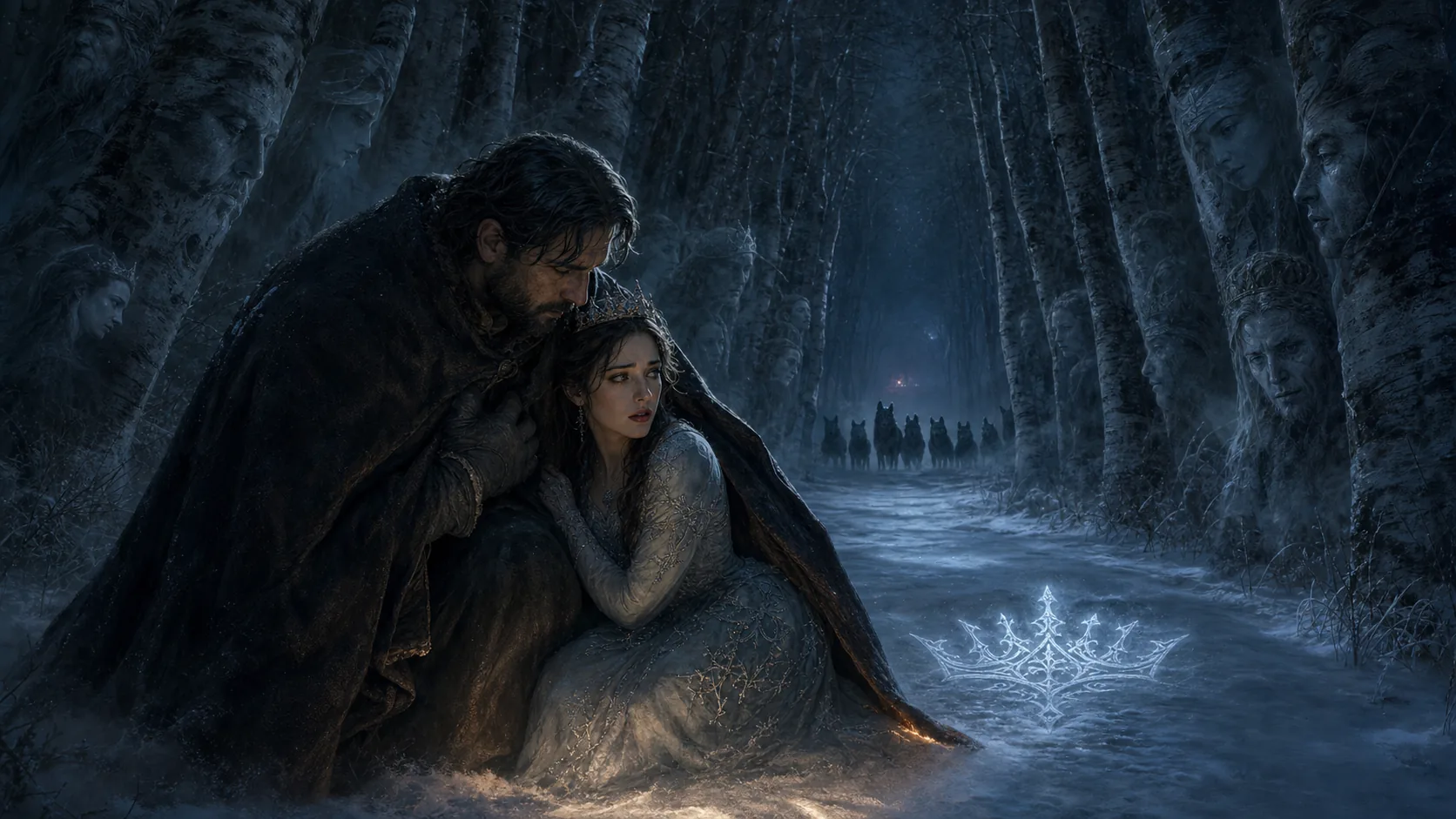
They carry a name they must not speak, because some truths become traps when heard by the wrong dark.
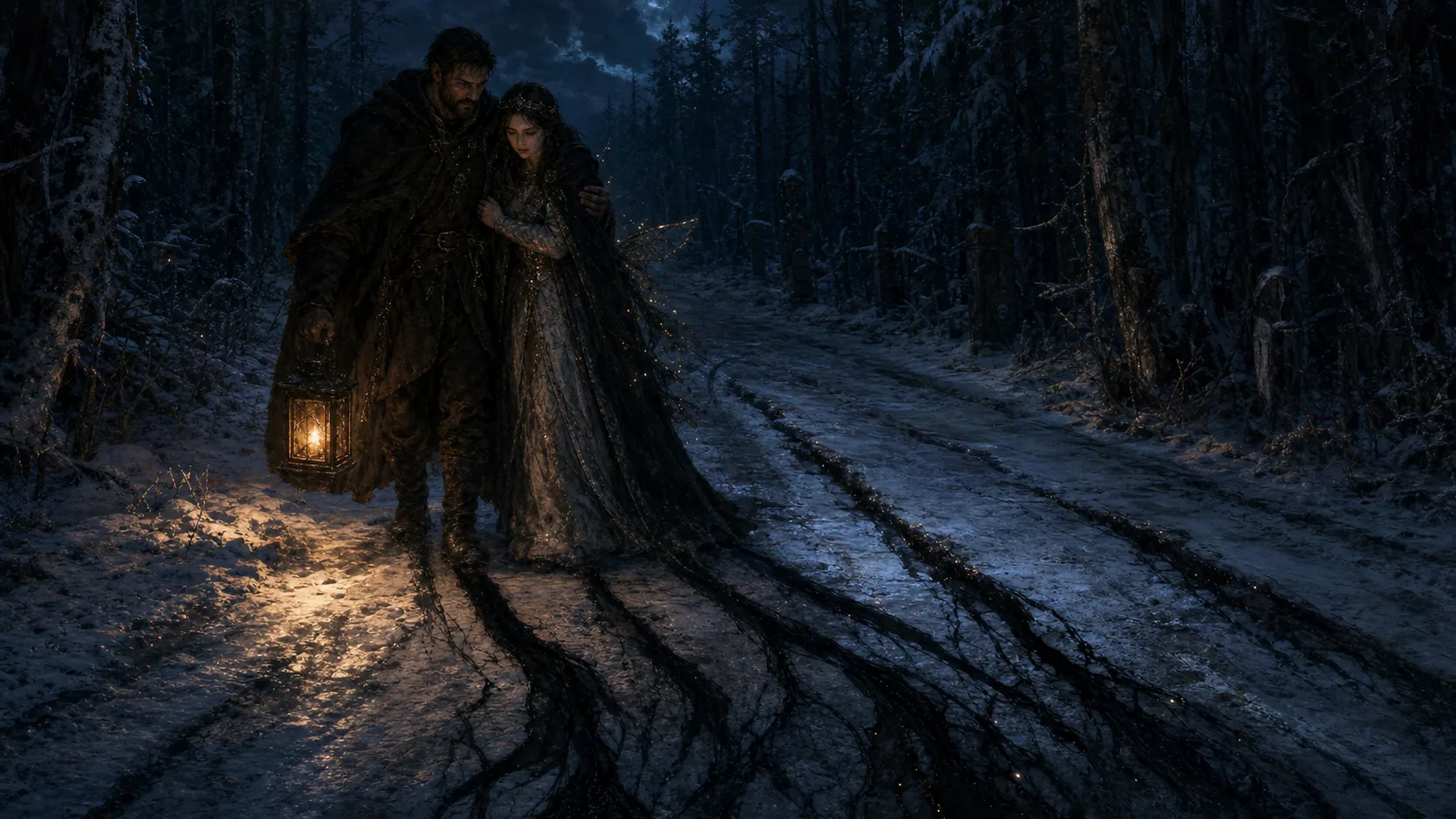
The road takes their shadows, leaving them lighter and more hunted than before.
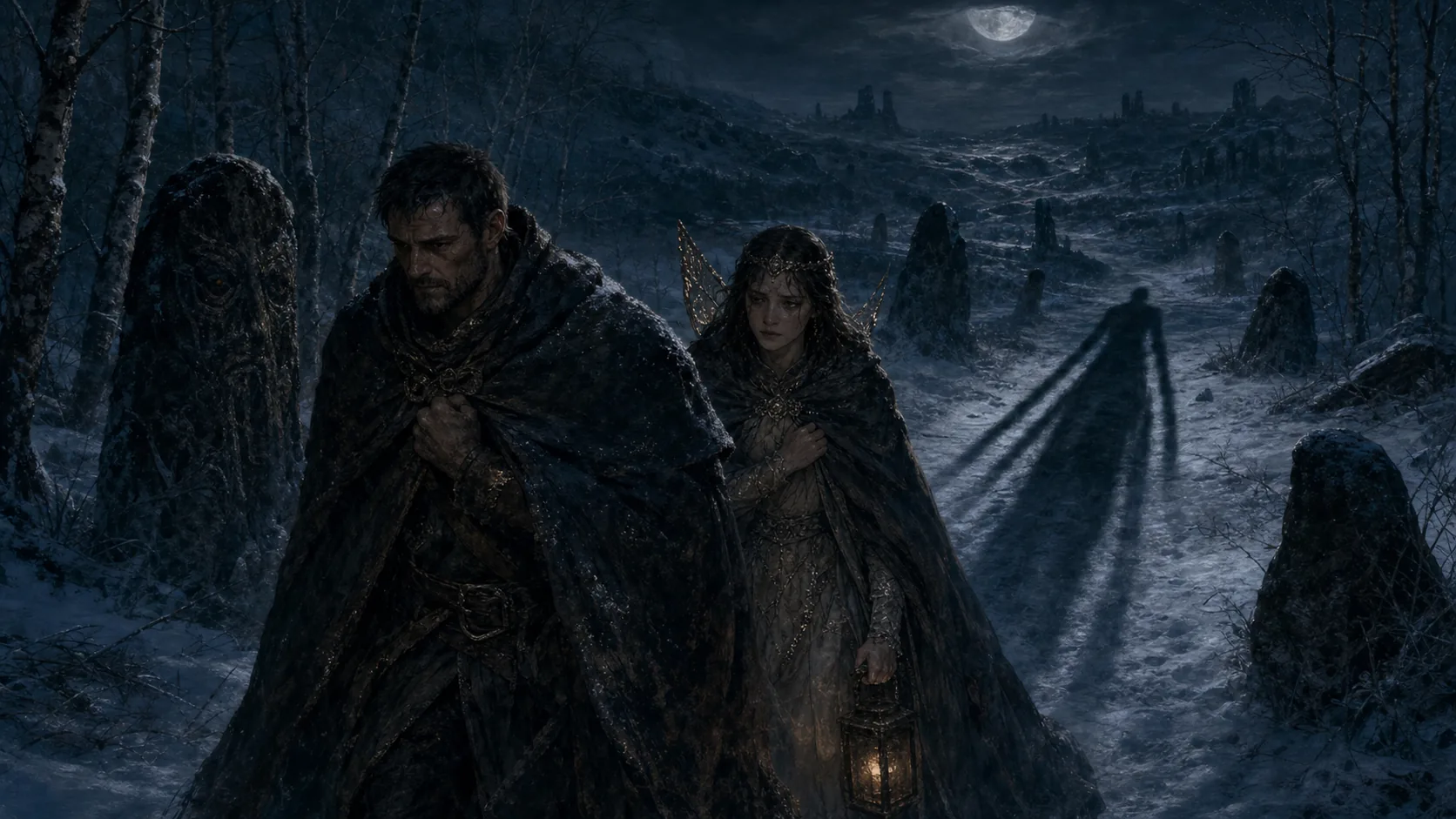
A shadow walks behind them, learning the shape of everything they fear.
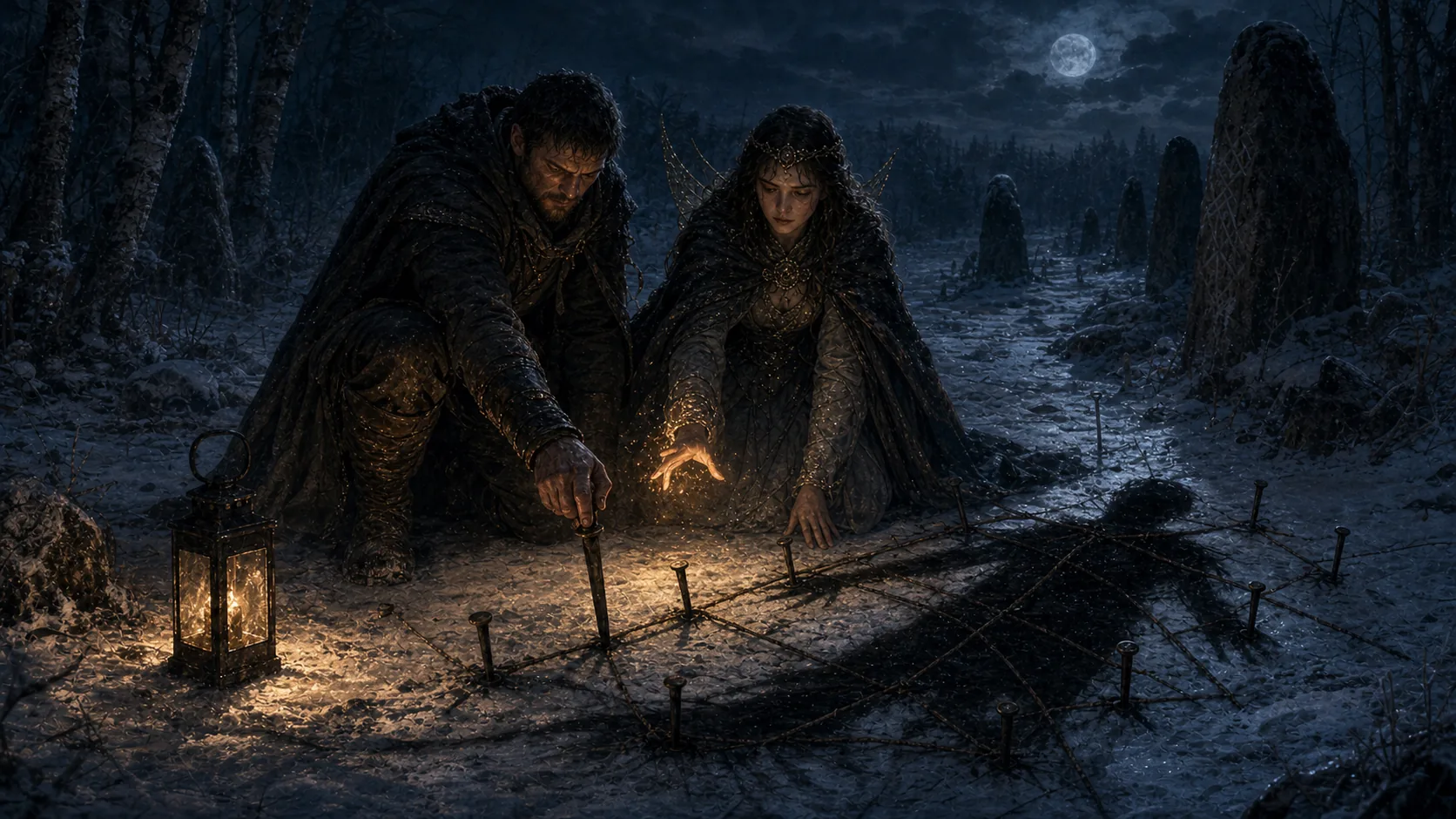
When the shadow is pinned, it writhes like a secret forced into candlelight.
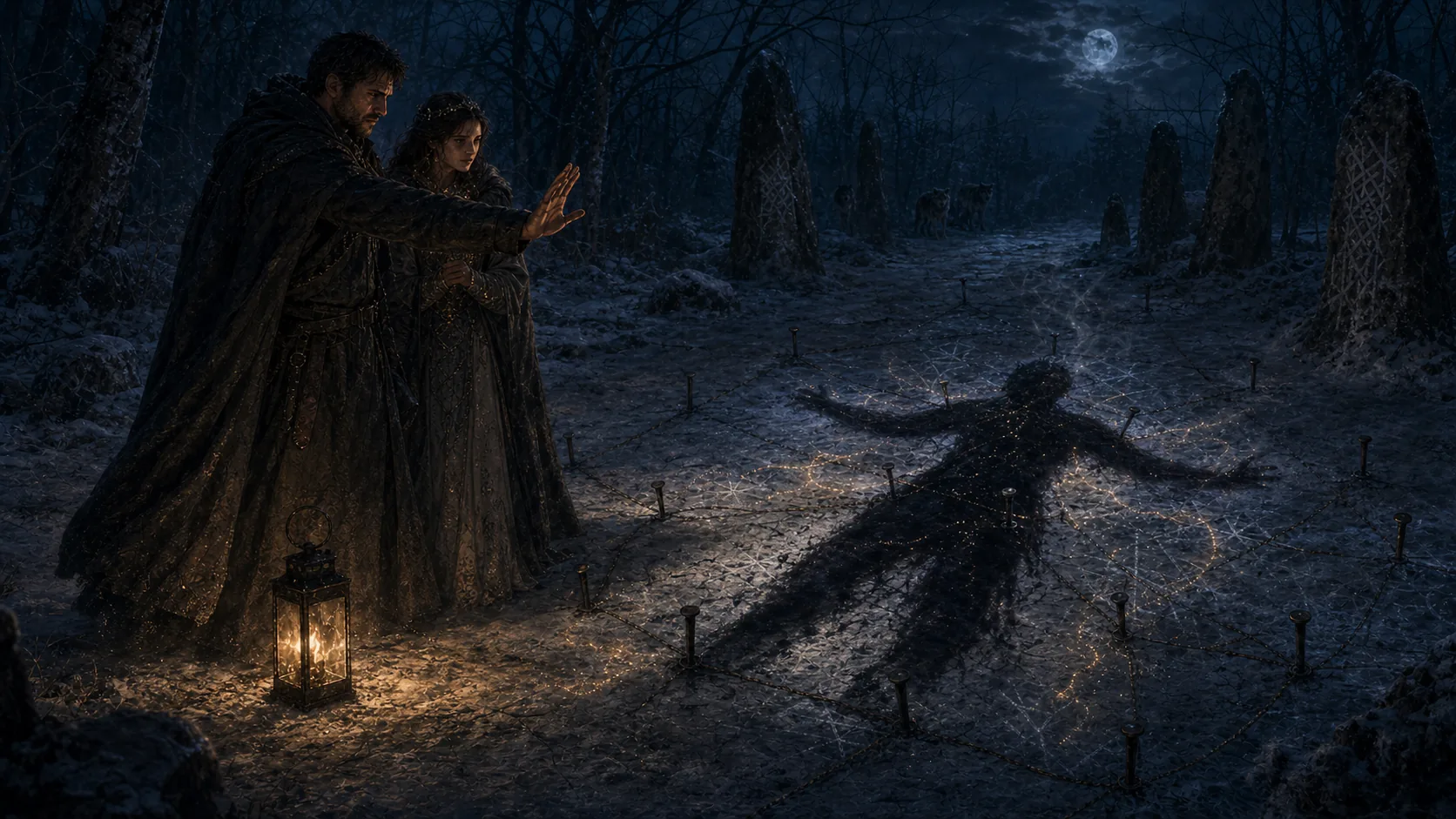
The shadow speaks without a mouth, proving that curses do not need faces to accuse.
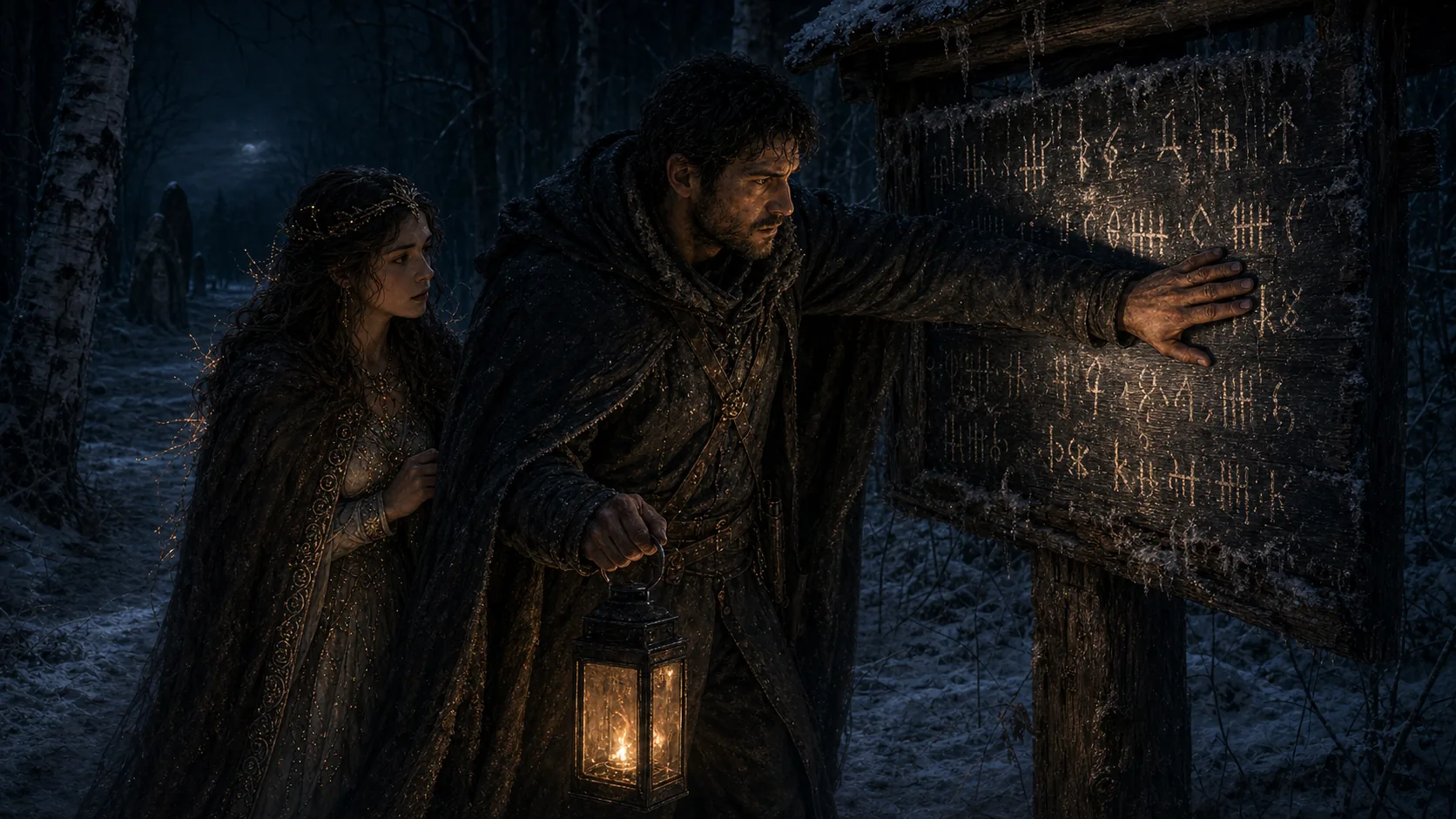
The keeper covers the words before they can become a command.
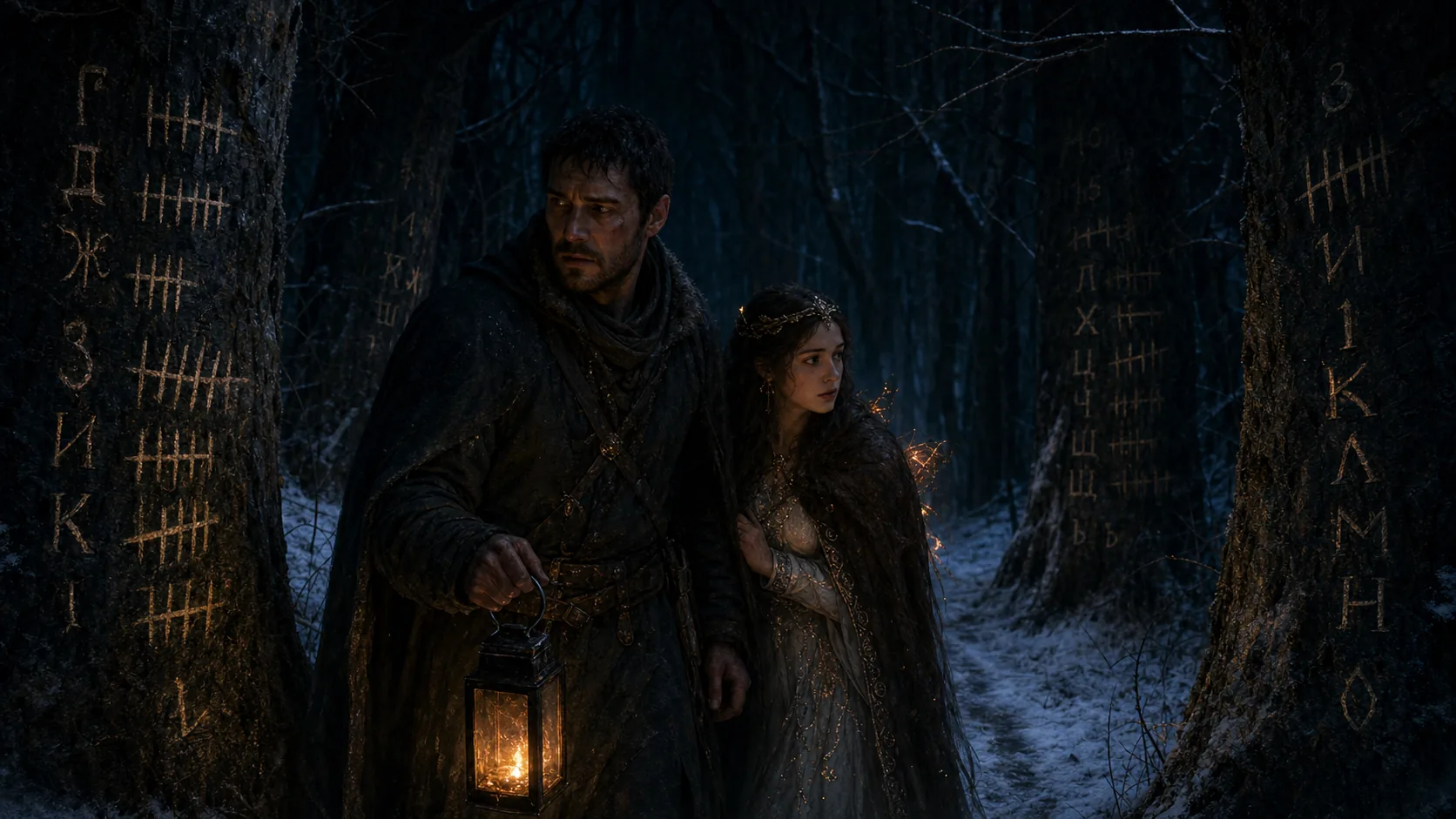
The trees begin to count, and every number sounds like a sentence.
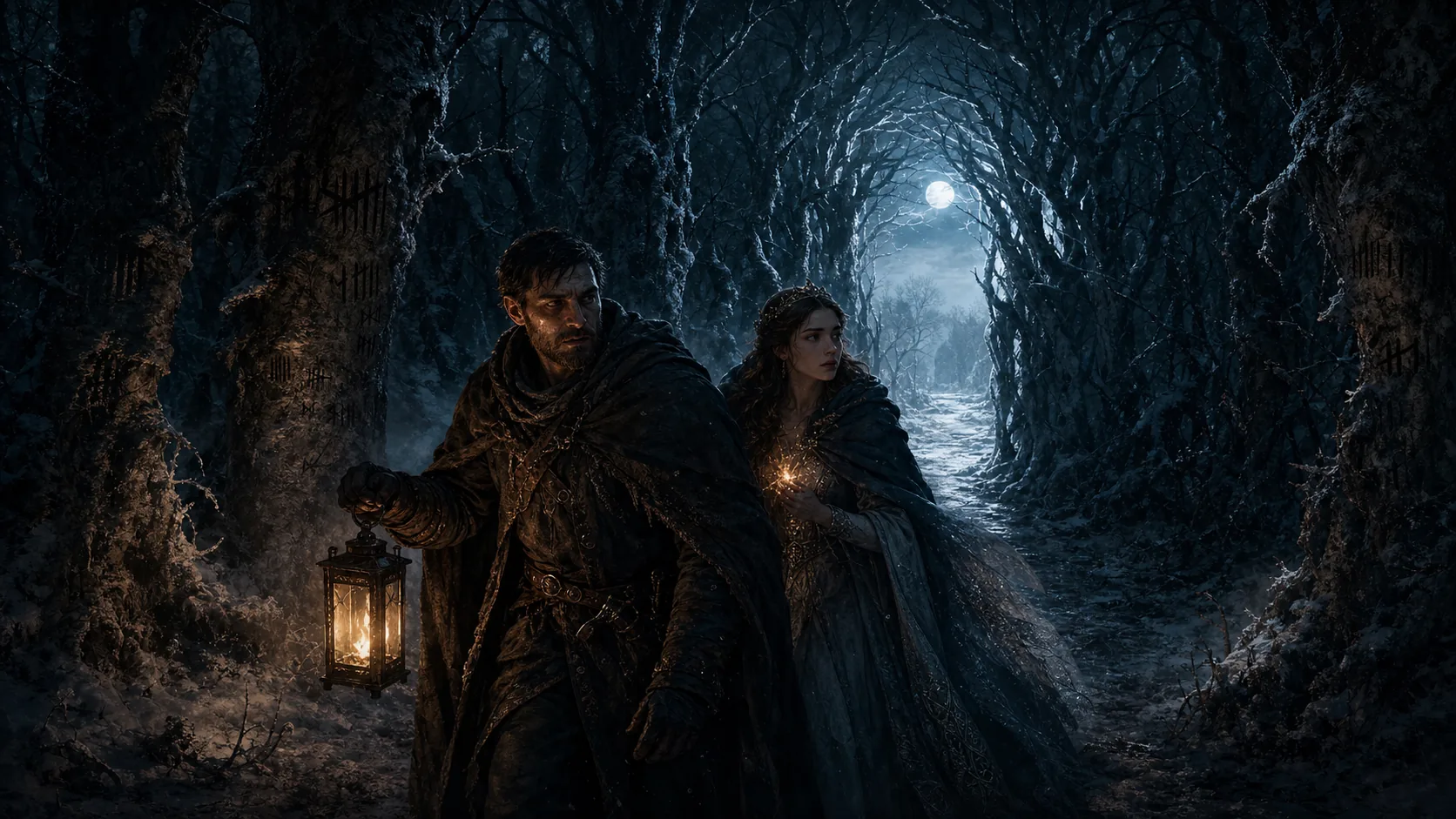
An exit opens behind them, cruelly close and impossible to trust.
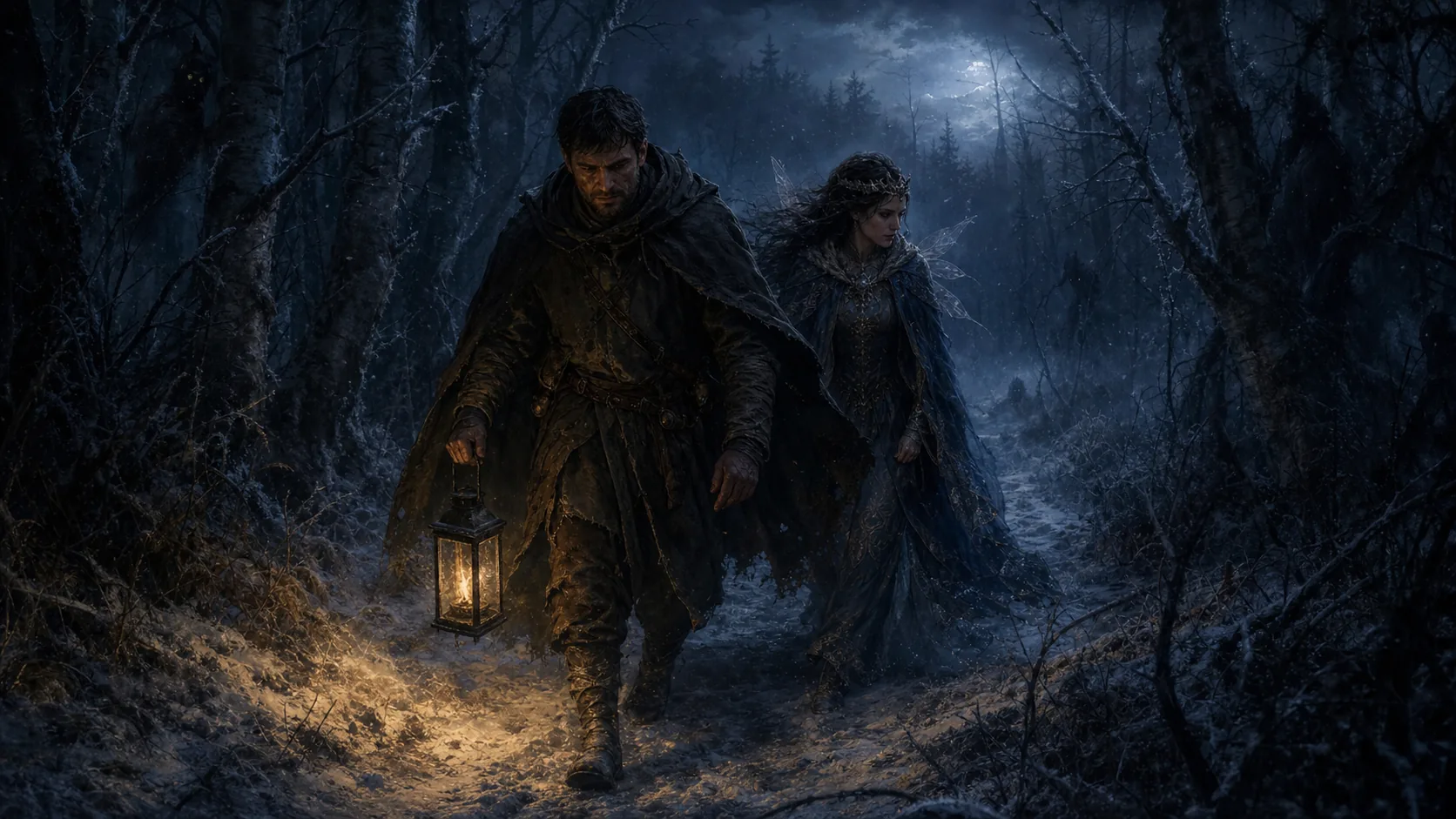
They do not look back, because the old tale has teeth for anyone who checks whether it is following.
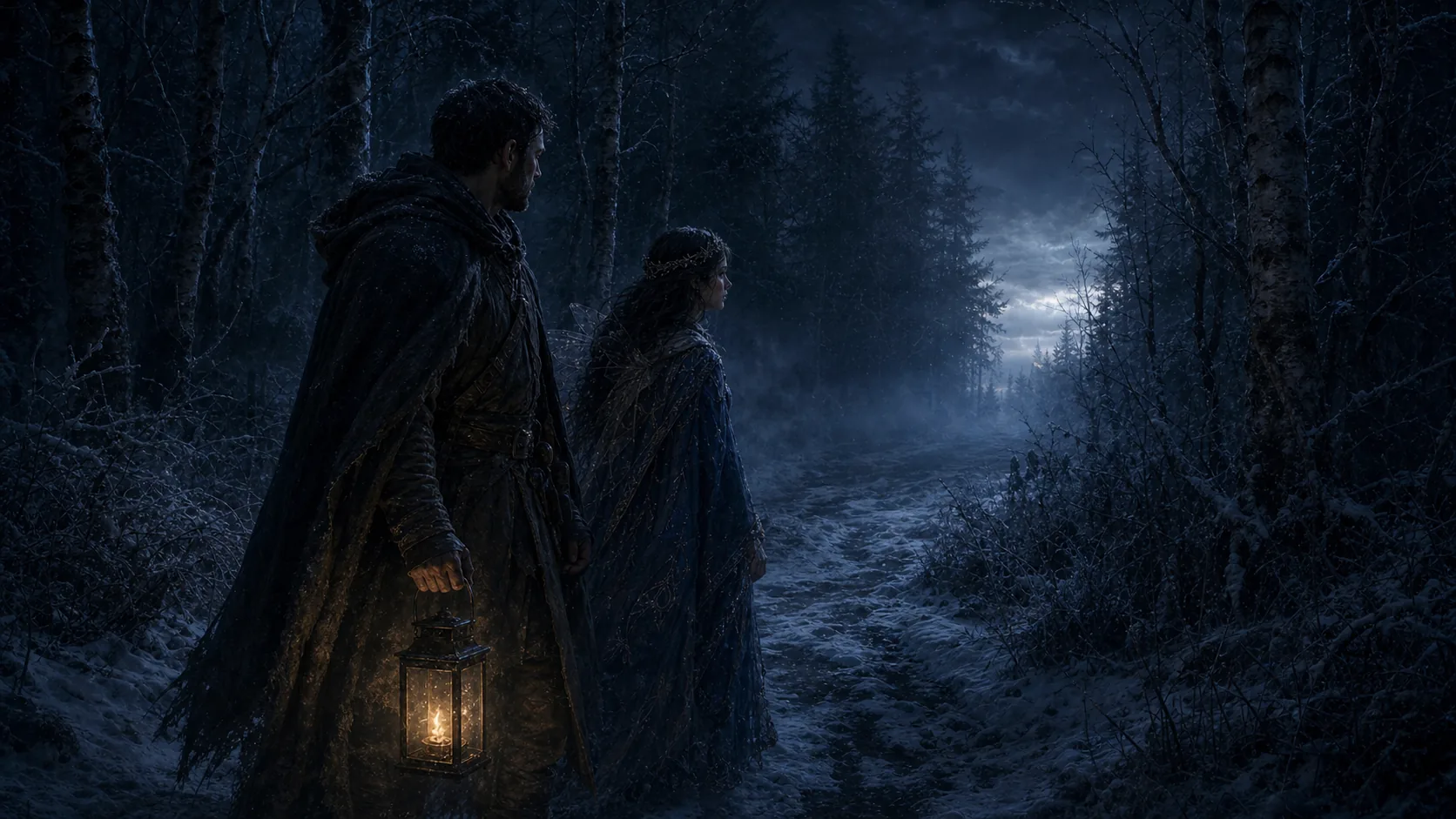
For one breath, dawn looks almost true; then the curse remembers itself.
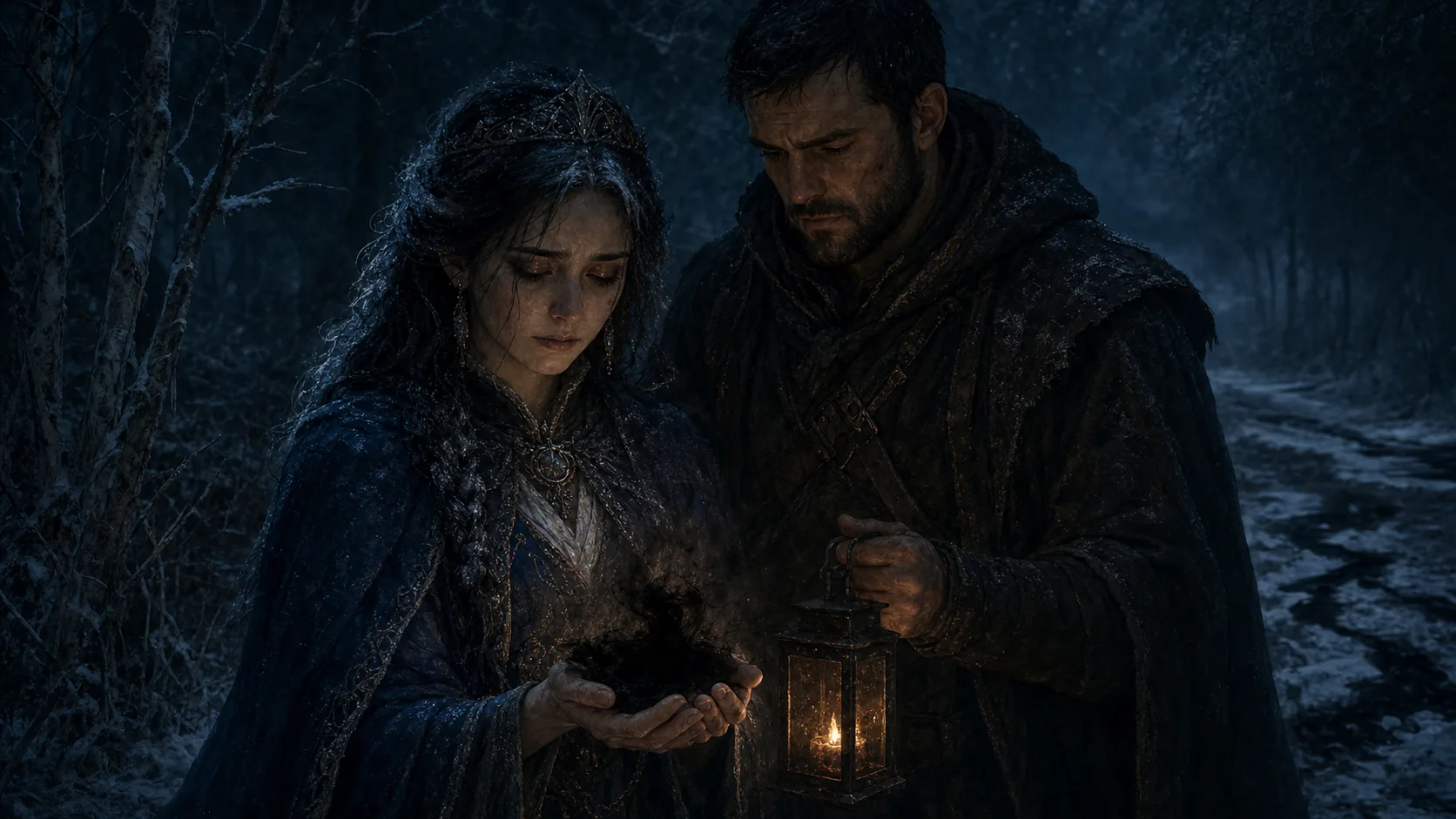
Искорка holds the shadow in her hands, and even the keeper cannot tell whether it is wound or weapon.
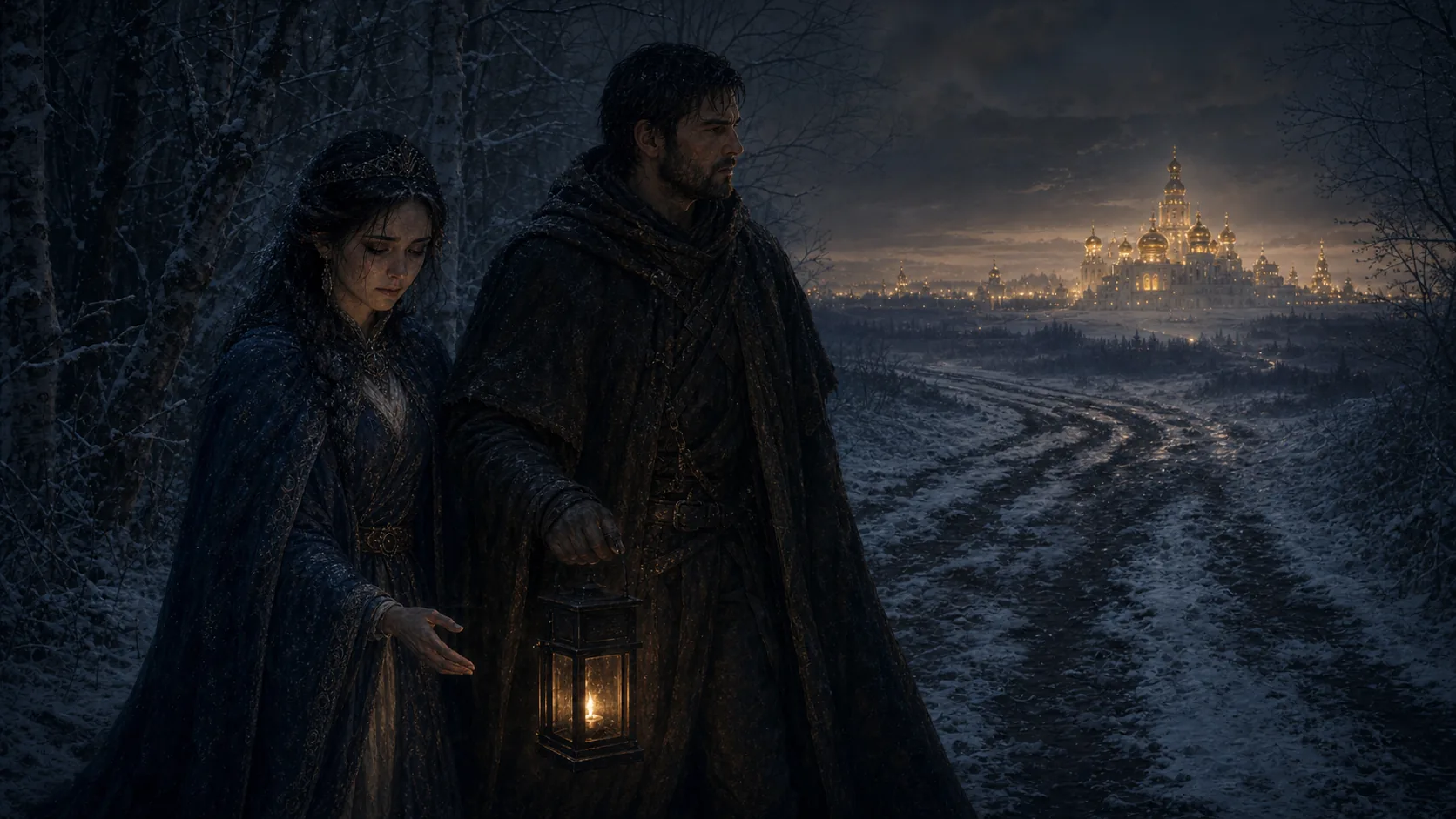
Golden domes call sweetly from the wrong road, promising rest where obedience is hidden.
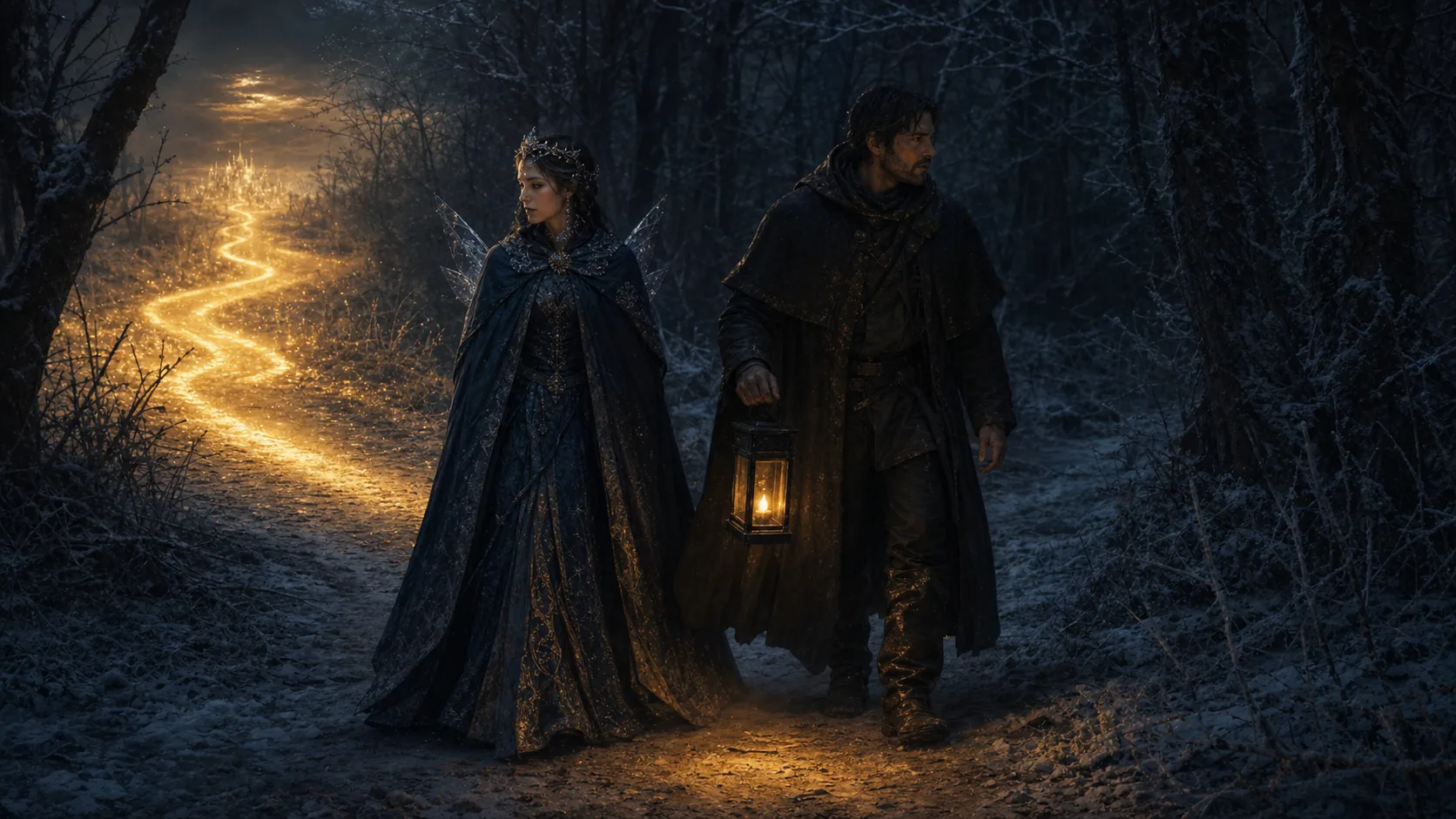
They turn away from the golden road because beauty is not the same thing as mercy.
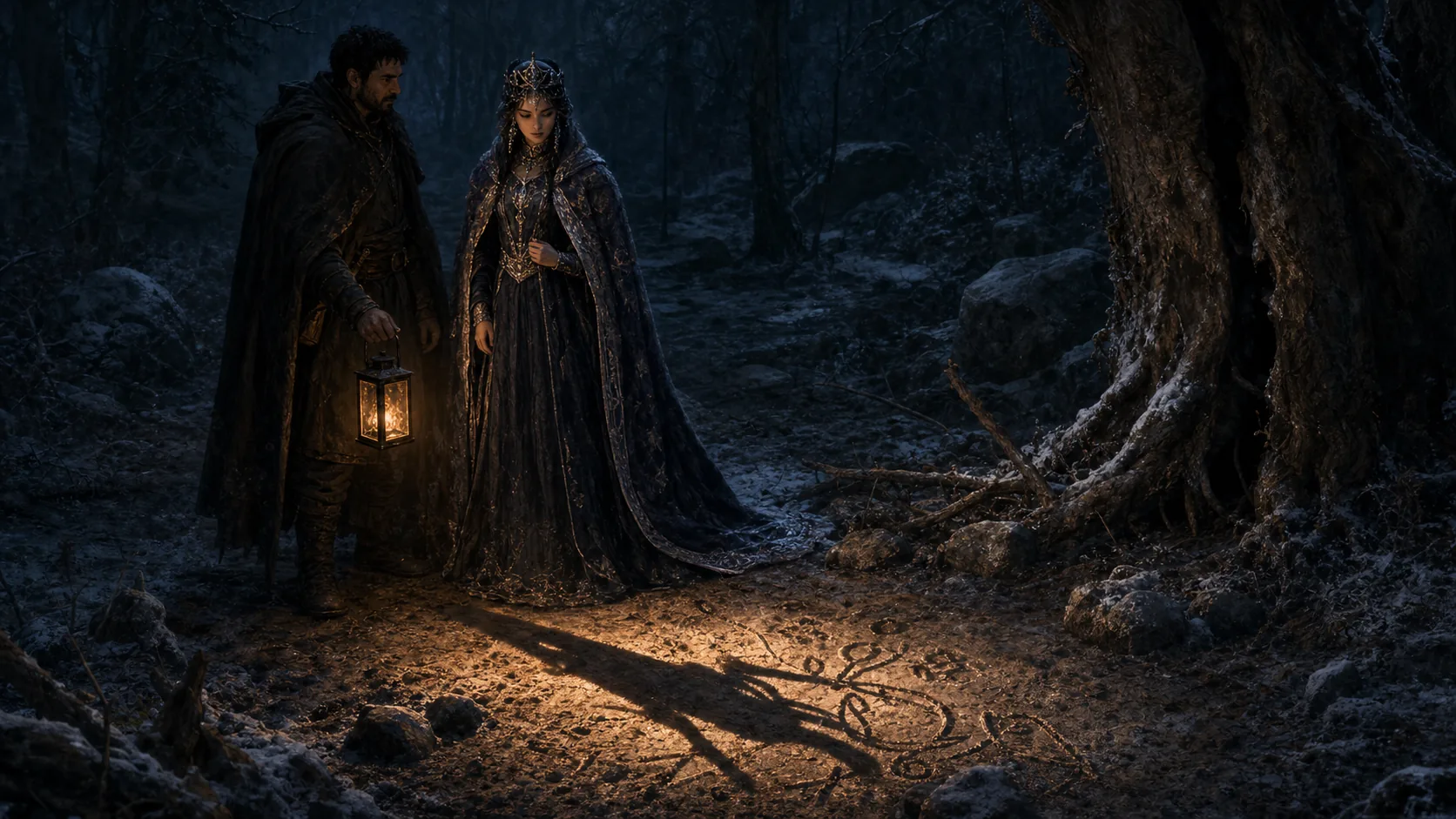
The shadow points toward her name, and the road grows colder around the answer.
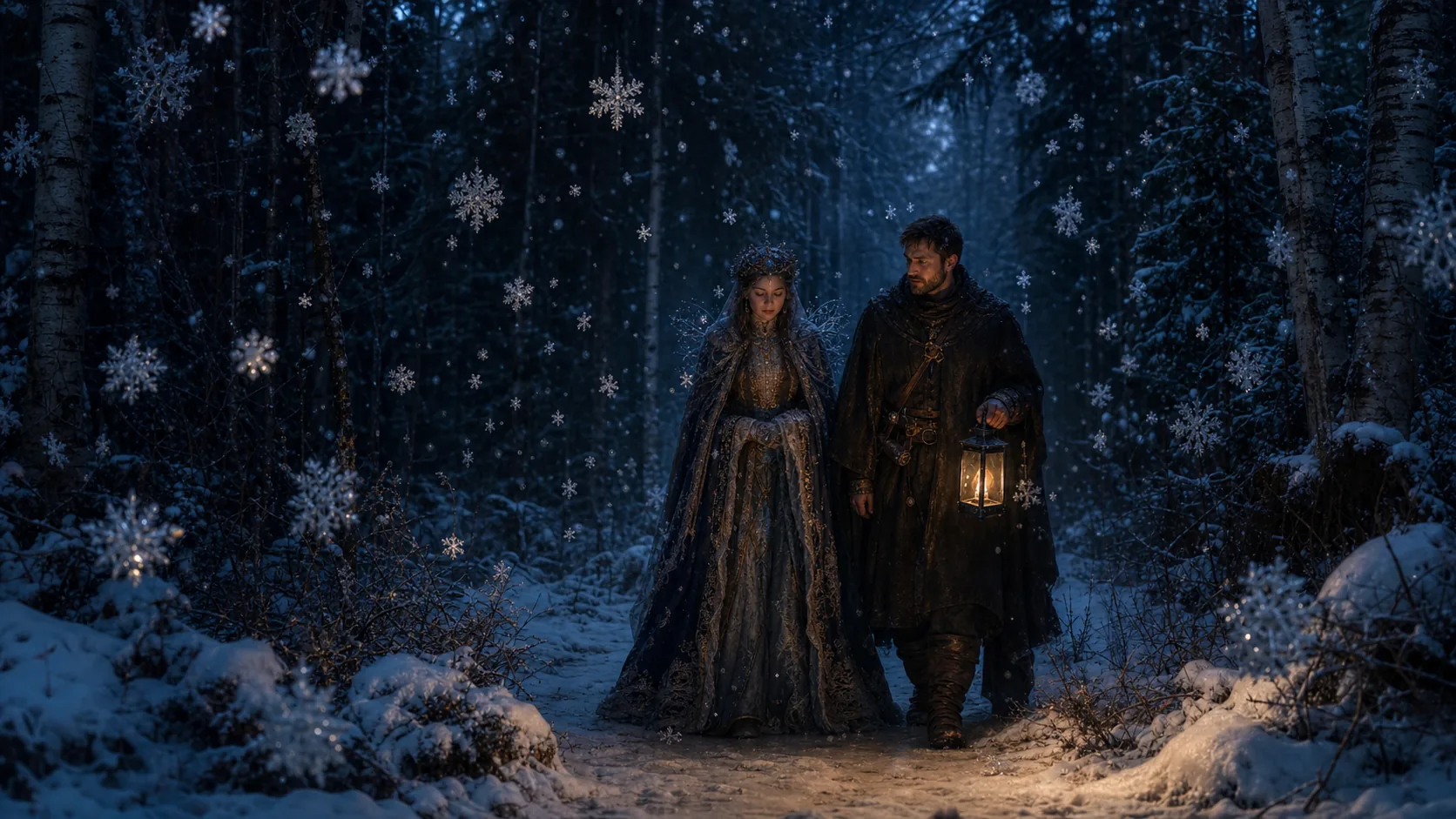
Where snow hangs still, even falling has been forbidden by the curse.
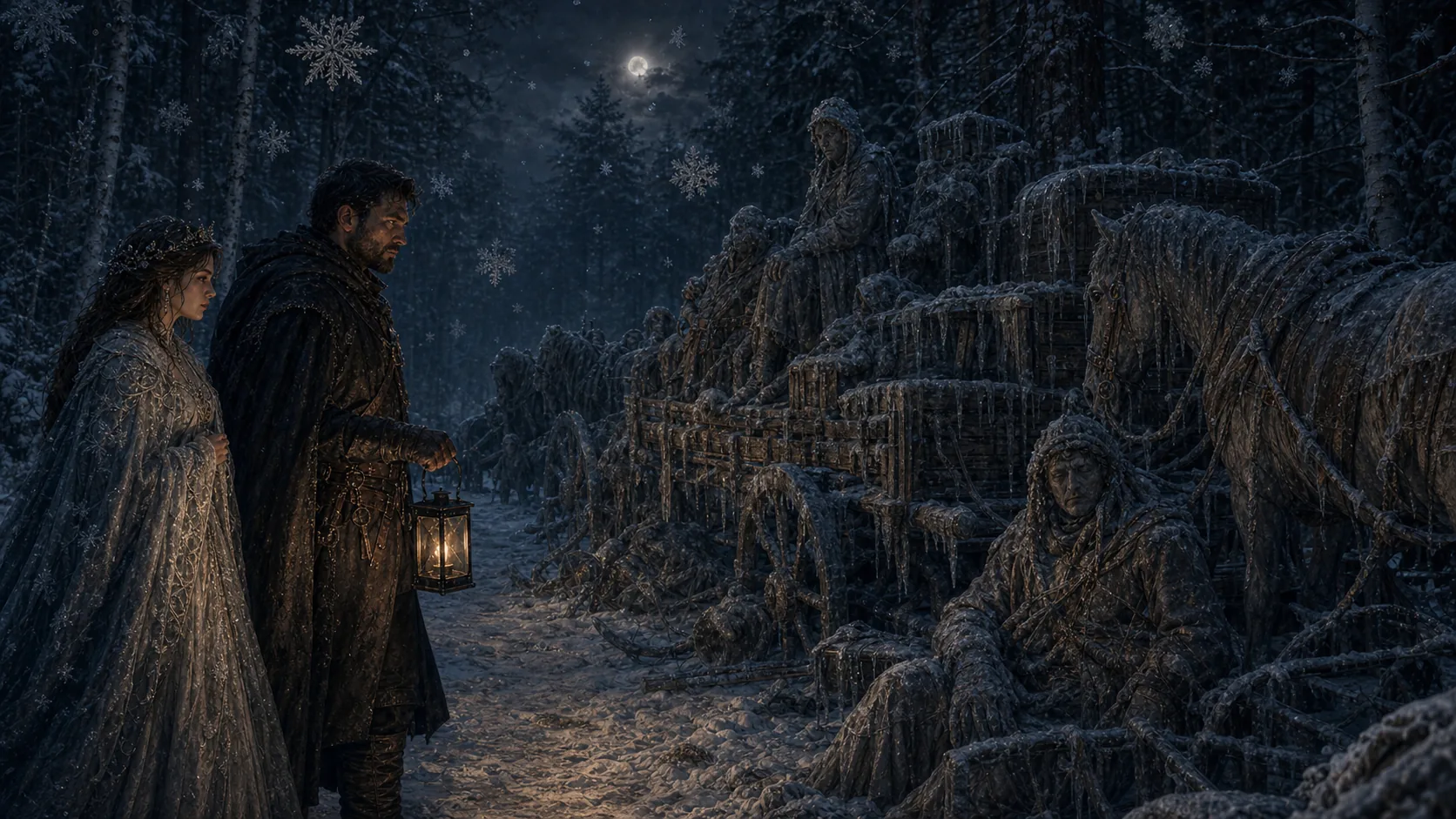
In a caravan trapped between breaths, one faint clue survives beneath the frost.
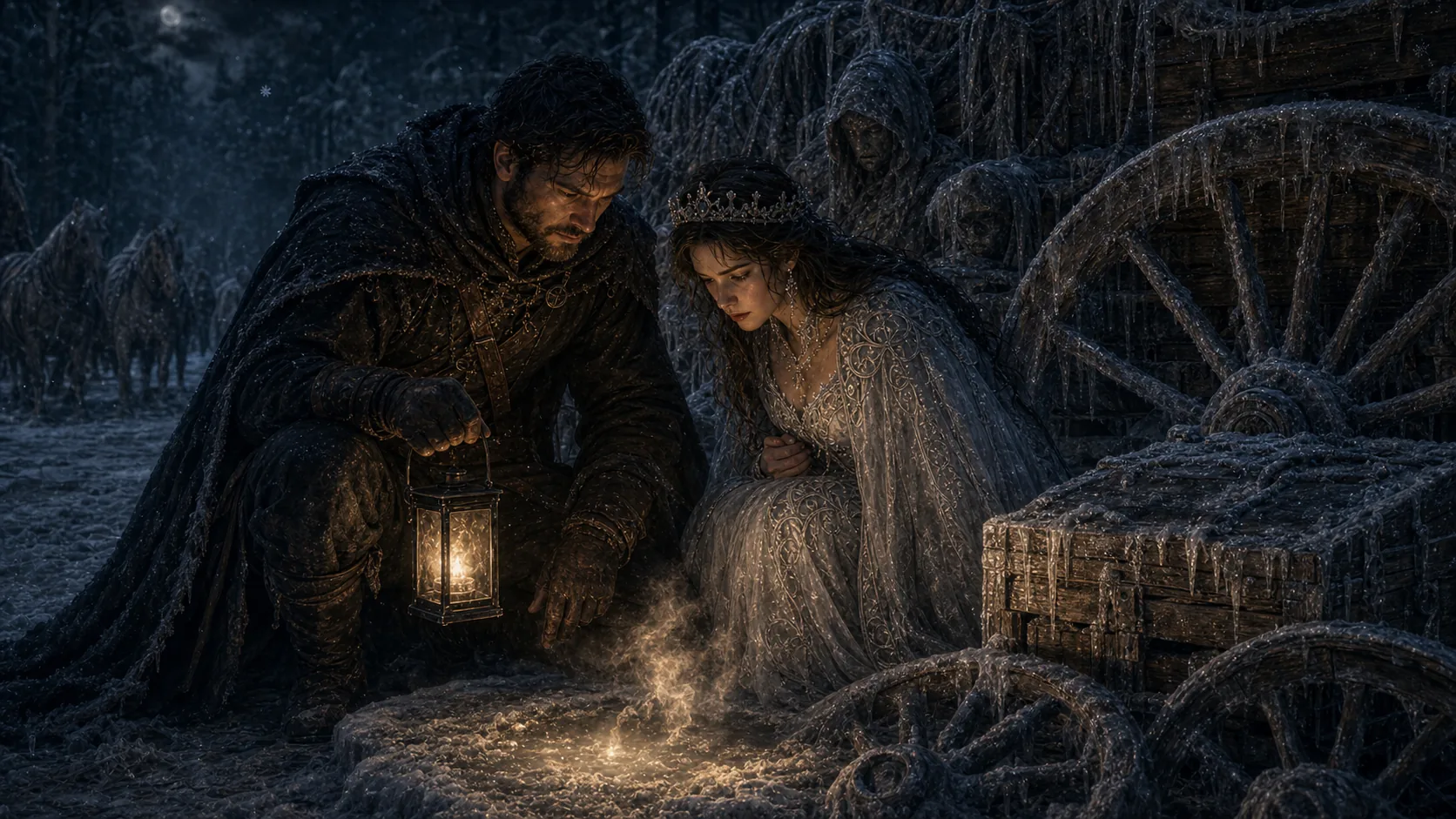
Beneath the frost, one living breath remains, thin enough to miss and sacred enough to follow.
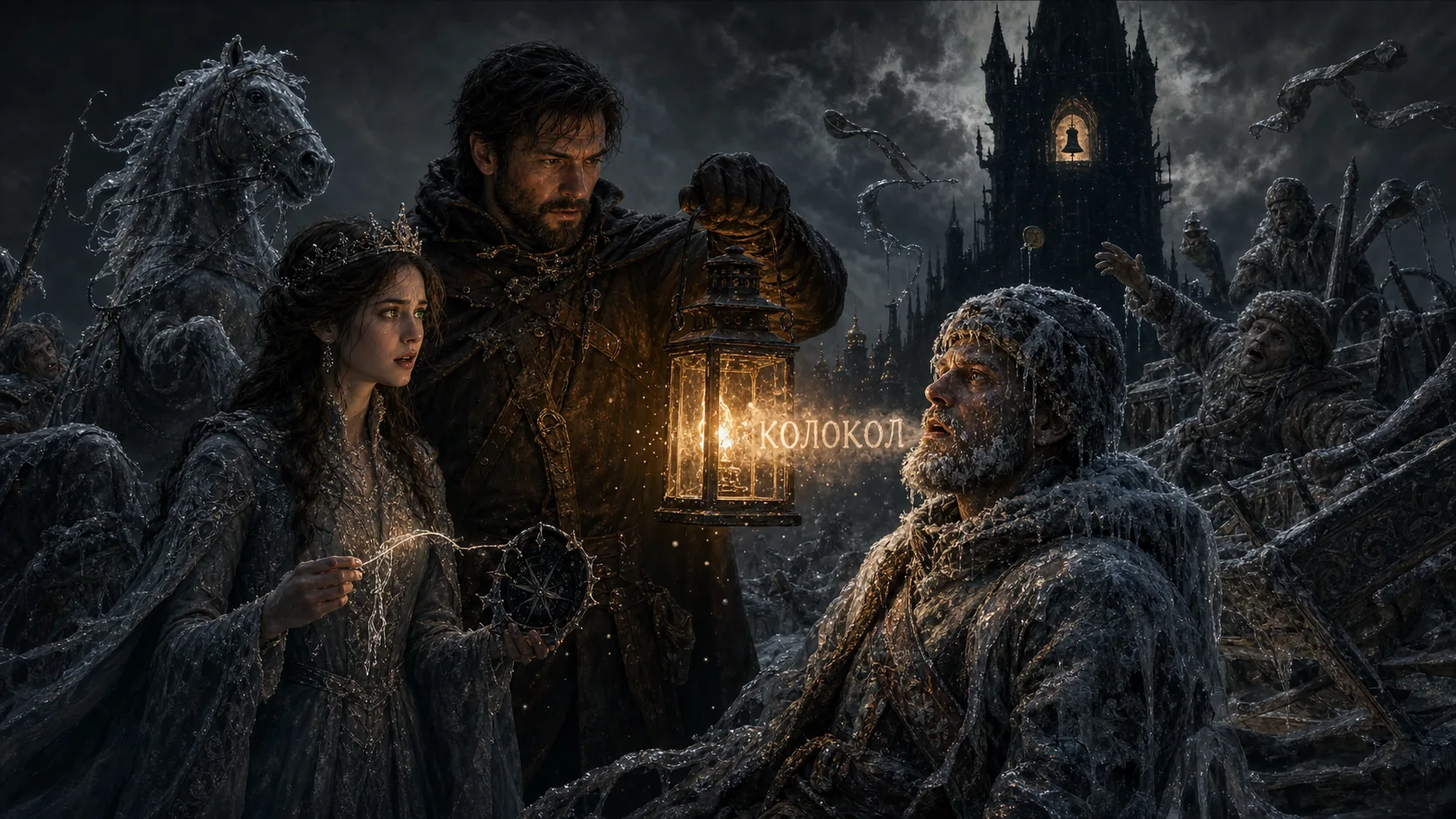
One word returns from the cold: Колокол — the bell.
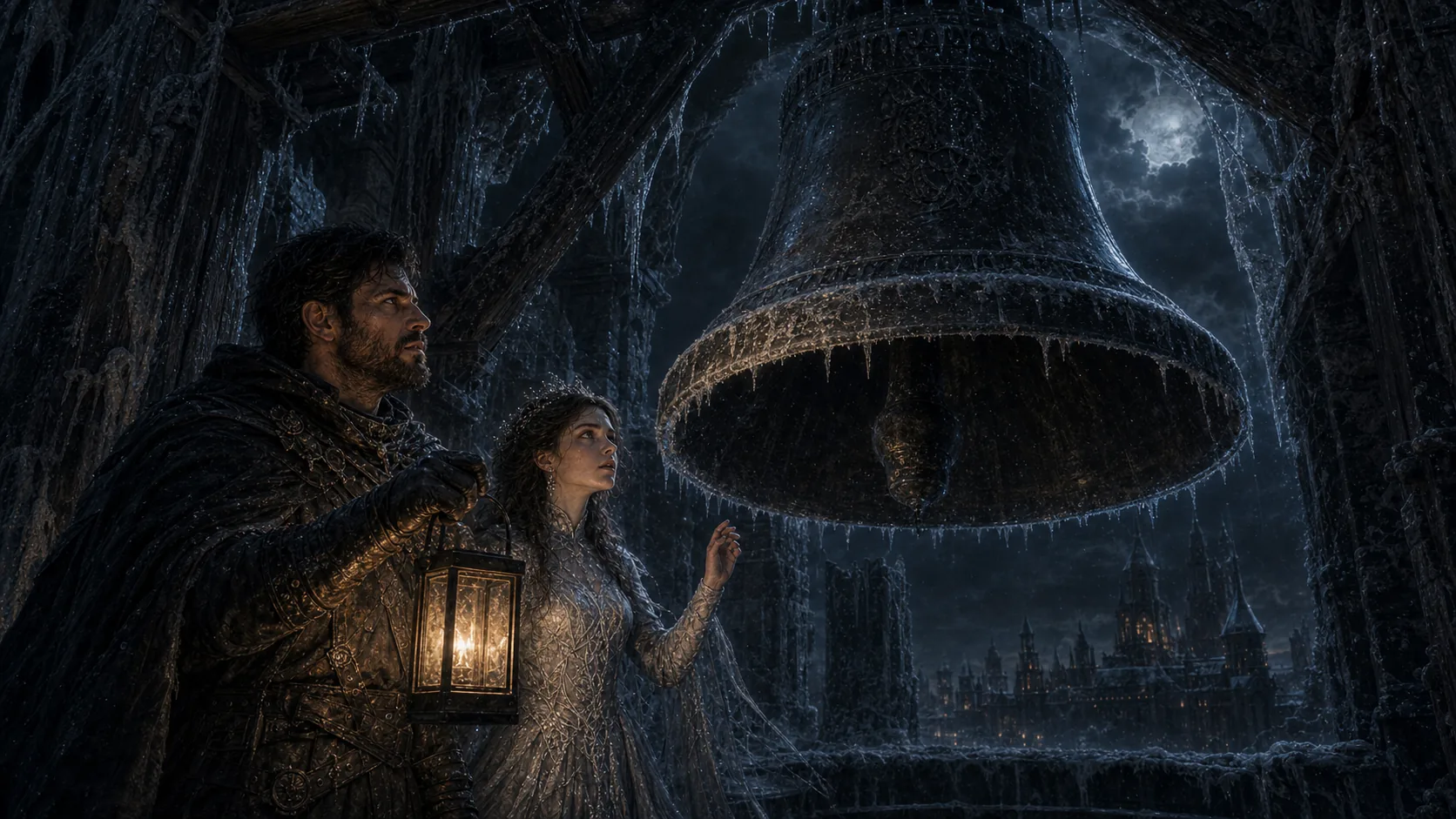
The bell hears what it was called before the curse taught it silence.
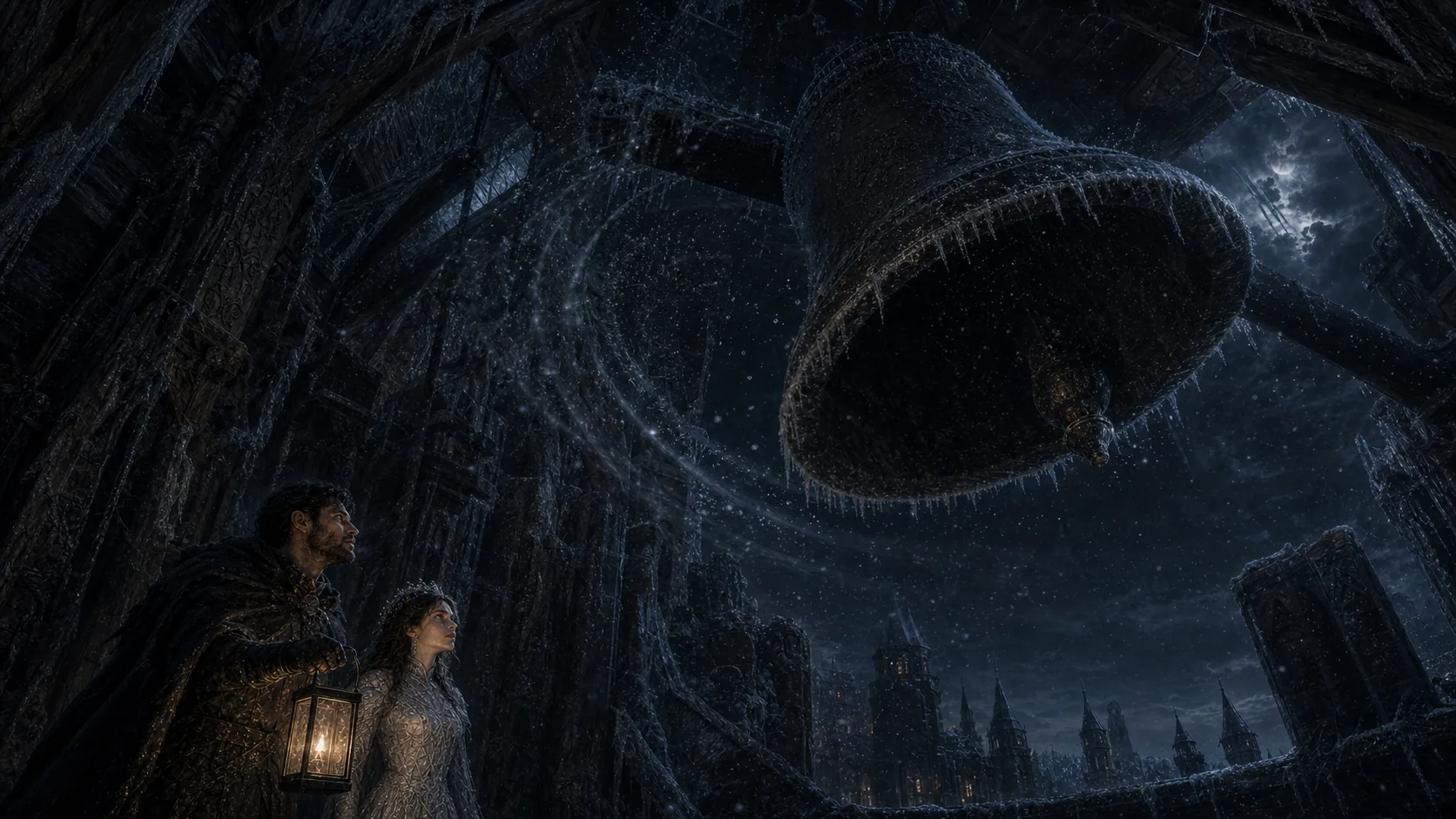
The unrung bell moves, and the silence around it begins to crack.
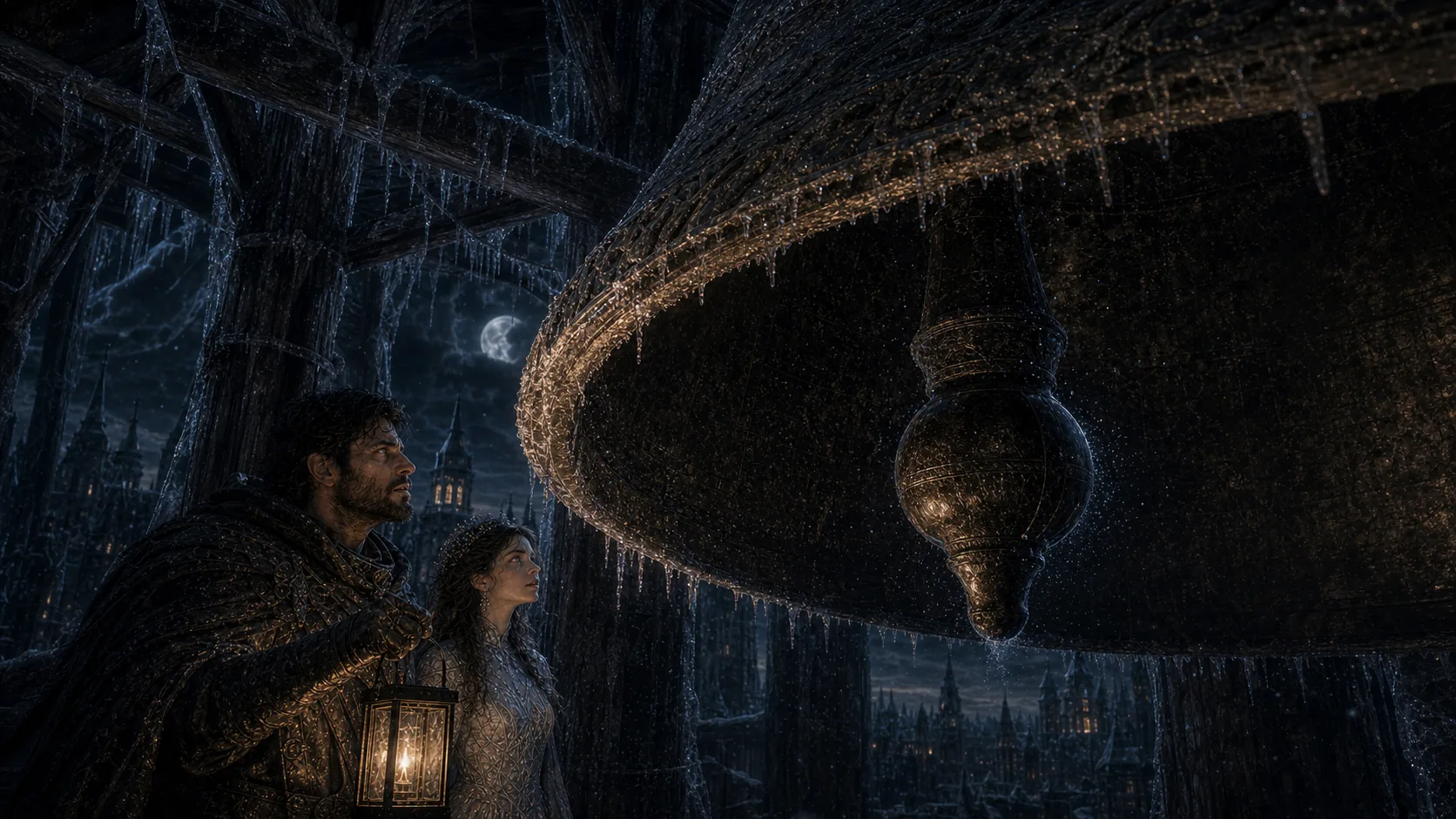
Before the first ring, all the stolen seconds gather like witnesses.
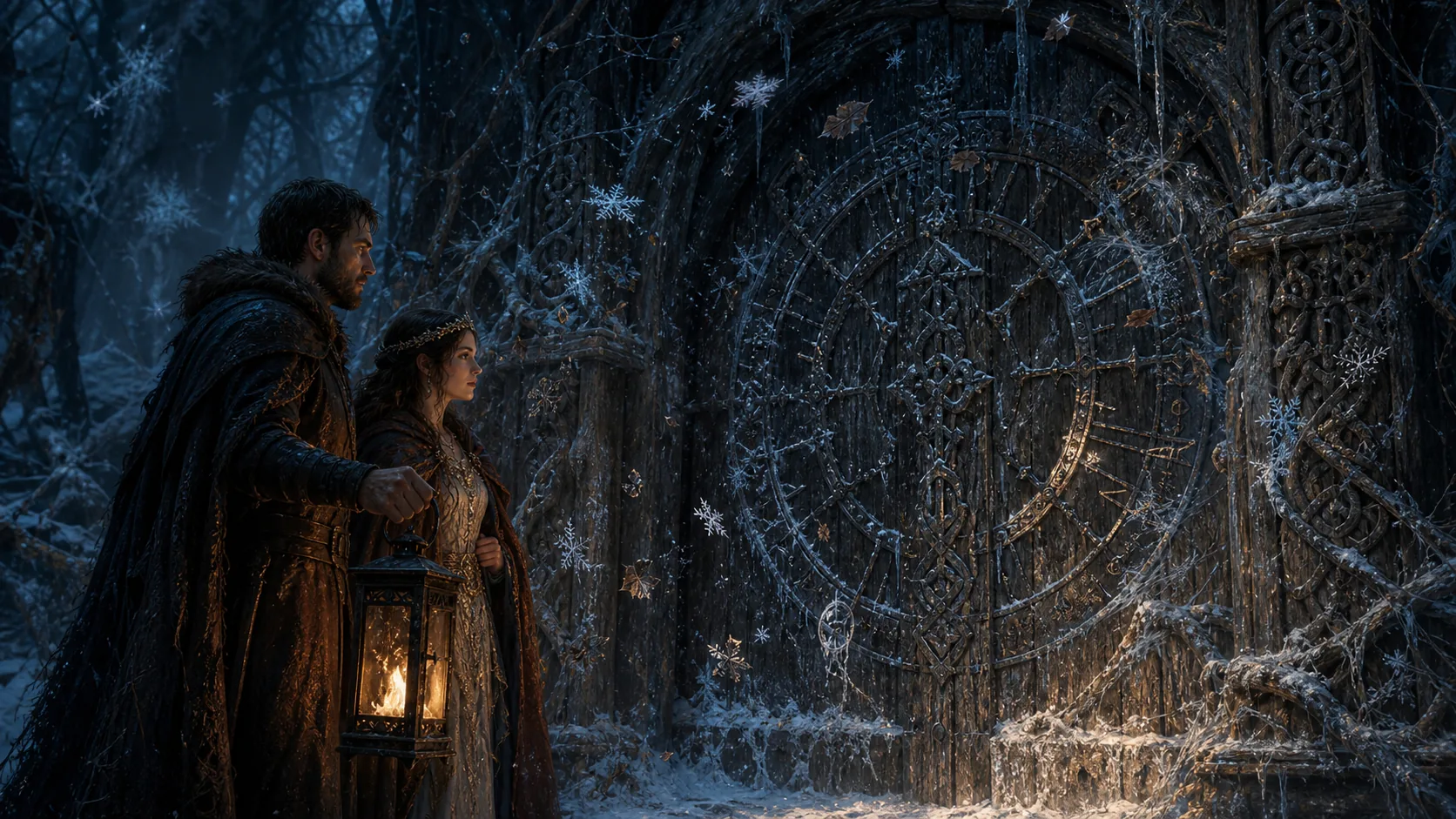
At the gate of frozen seconds, time itself becomes a threshold.
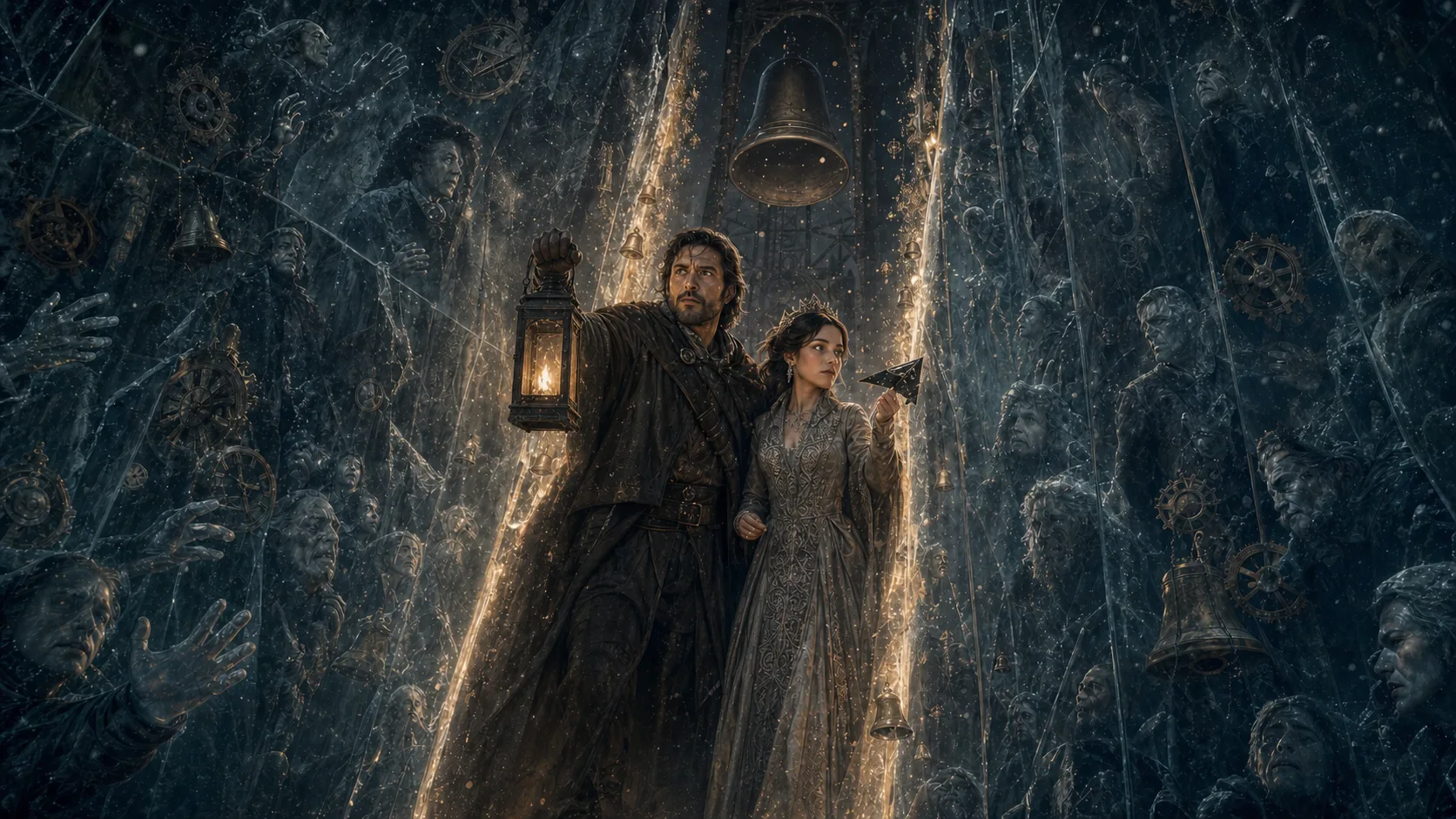
They pass between two seconds, where no living thing was meant to stand.
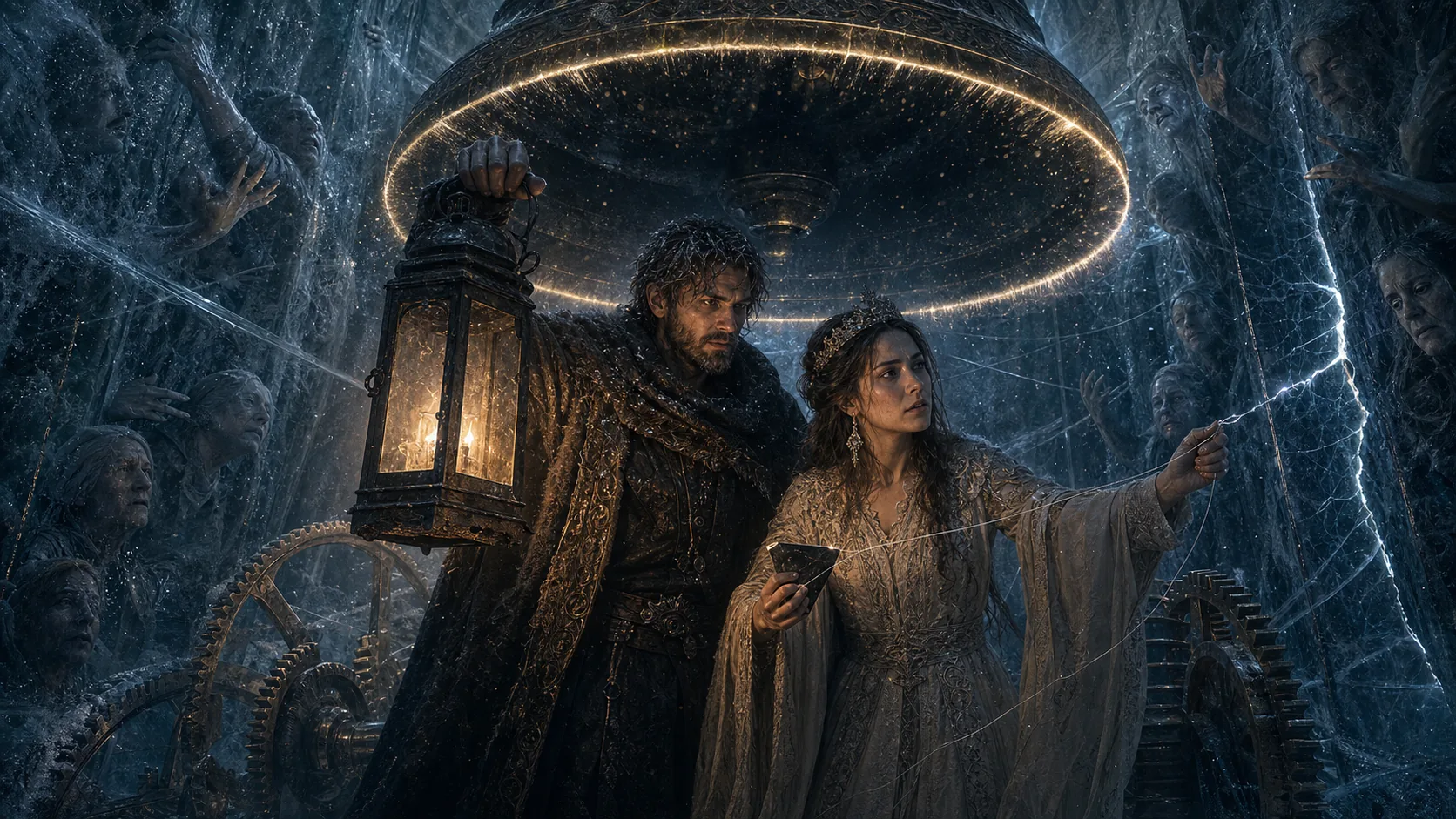
The bell draws breath, enormous and afraid of the sound it was made to carry.
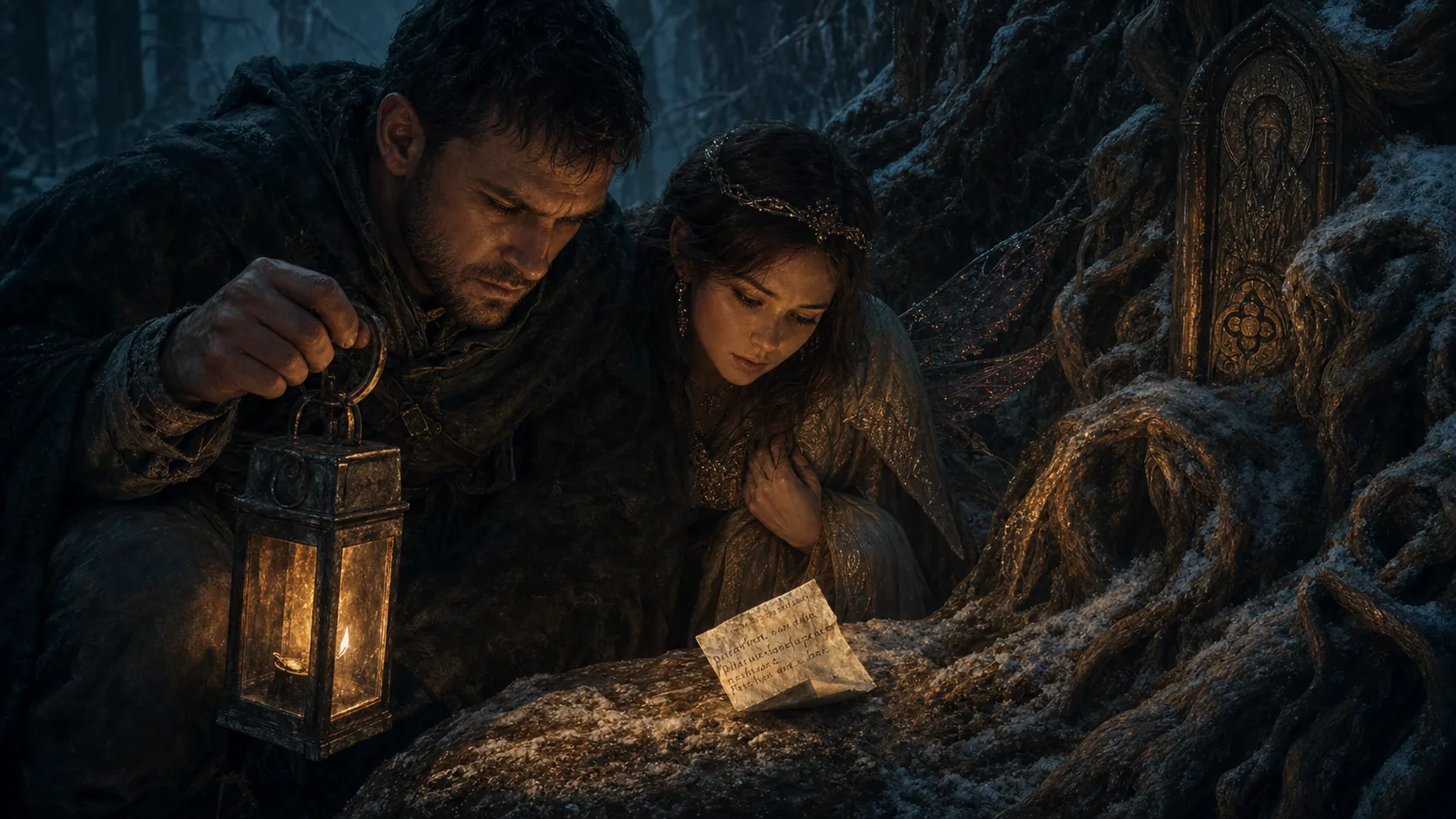
Искорка answers with a note that should not exist, and the curse recoils from harmony.
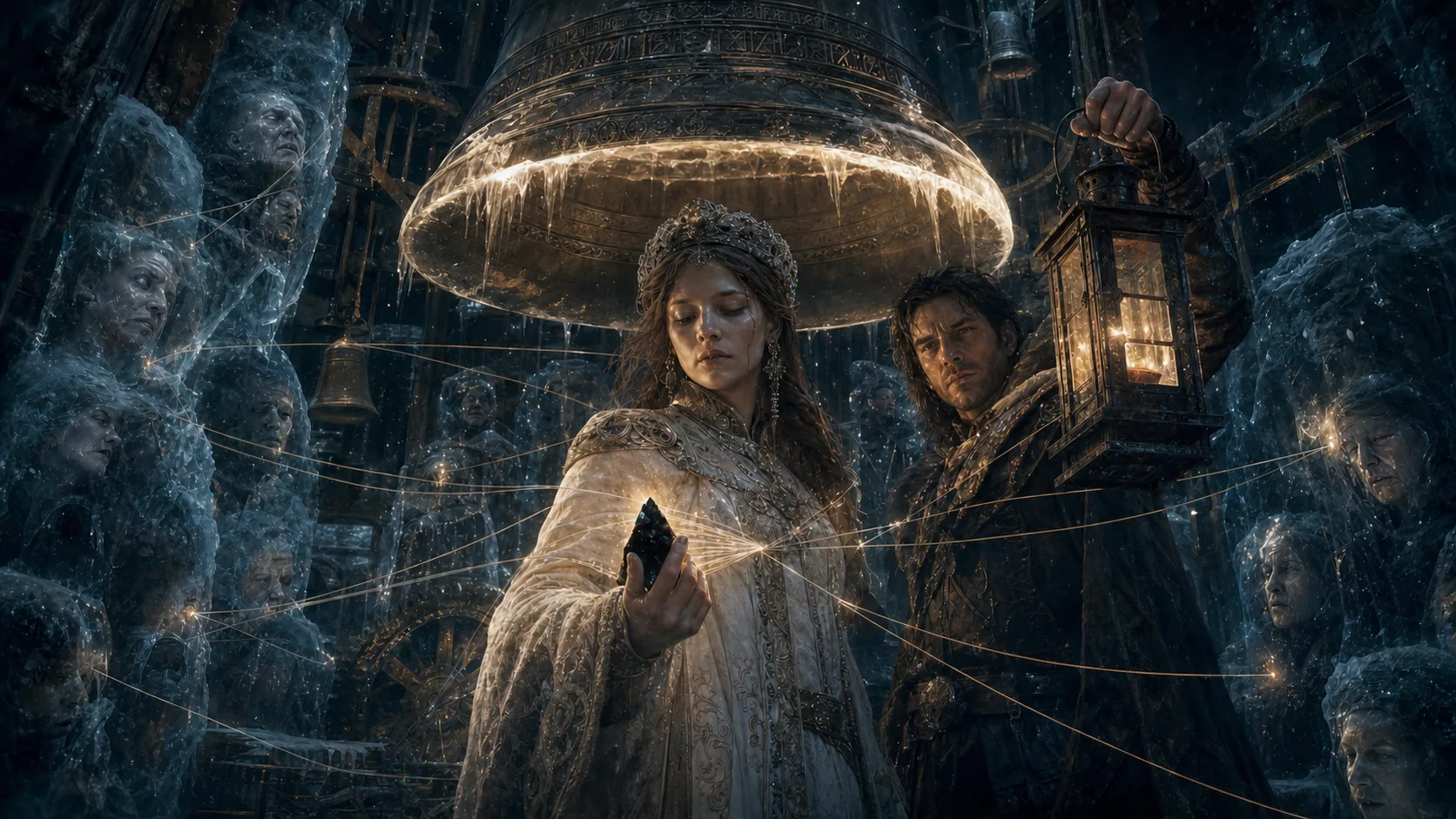
When the dead remember their names, the curse loses part of its kingdom.
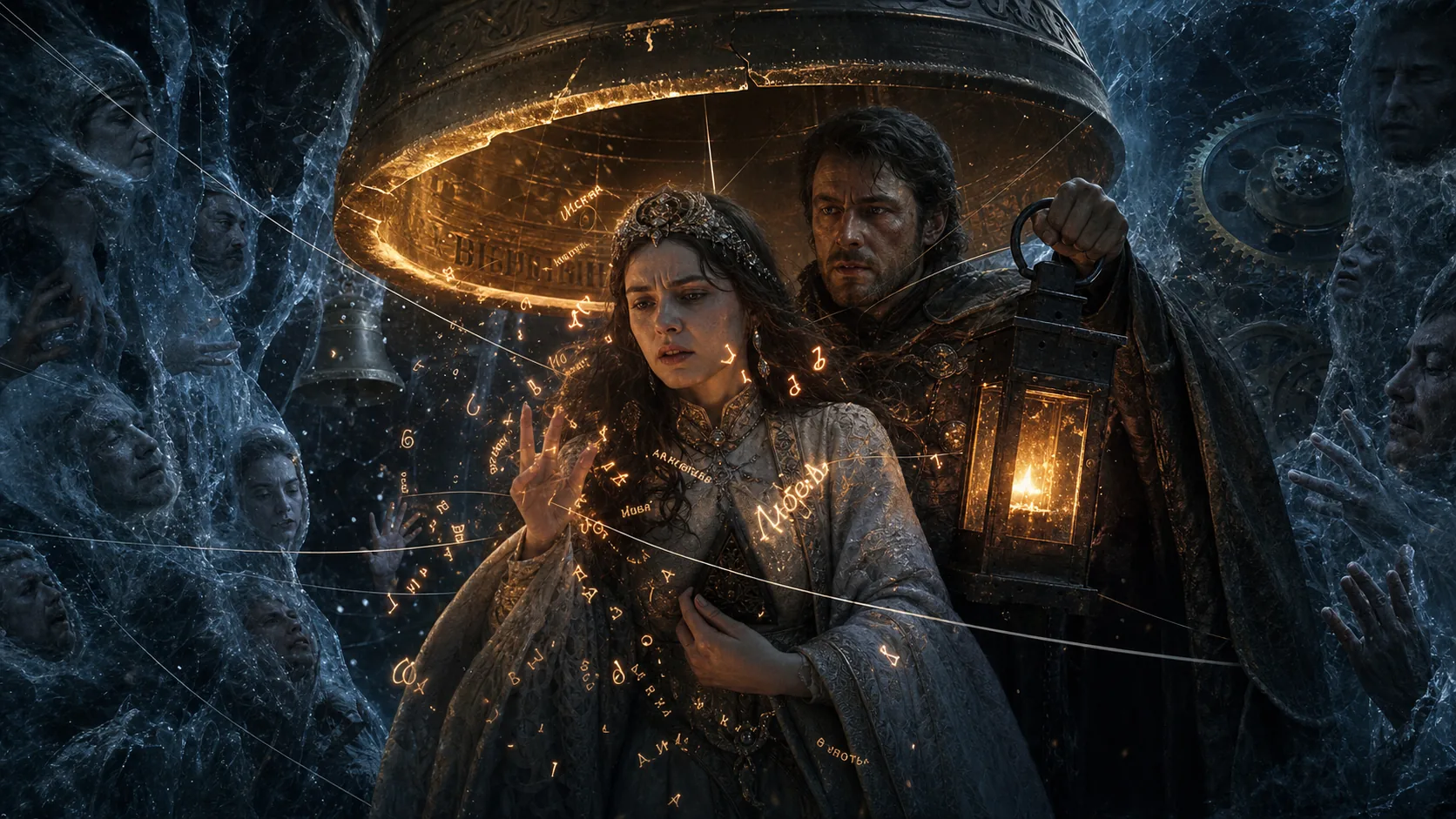
Beneath the curse, a hidden name waits like a coal under snow.
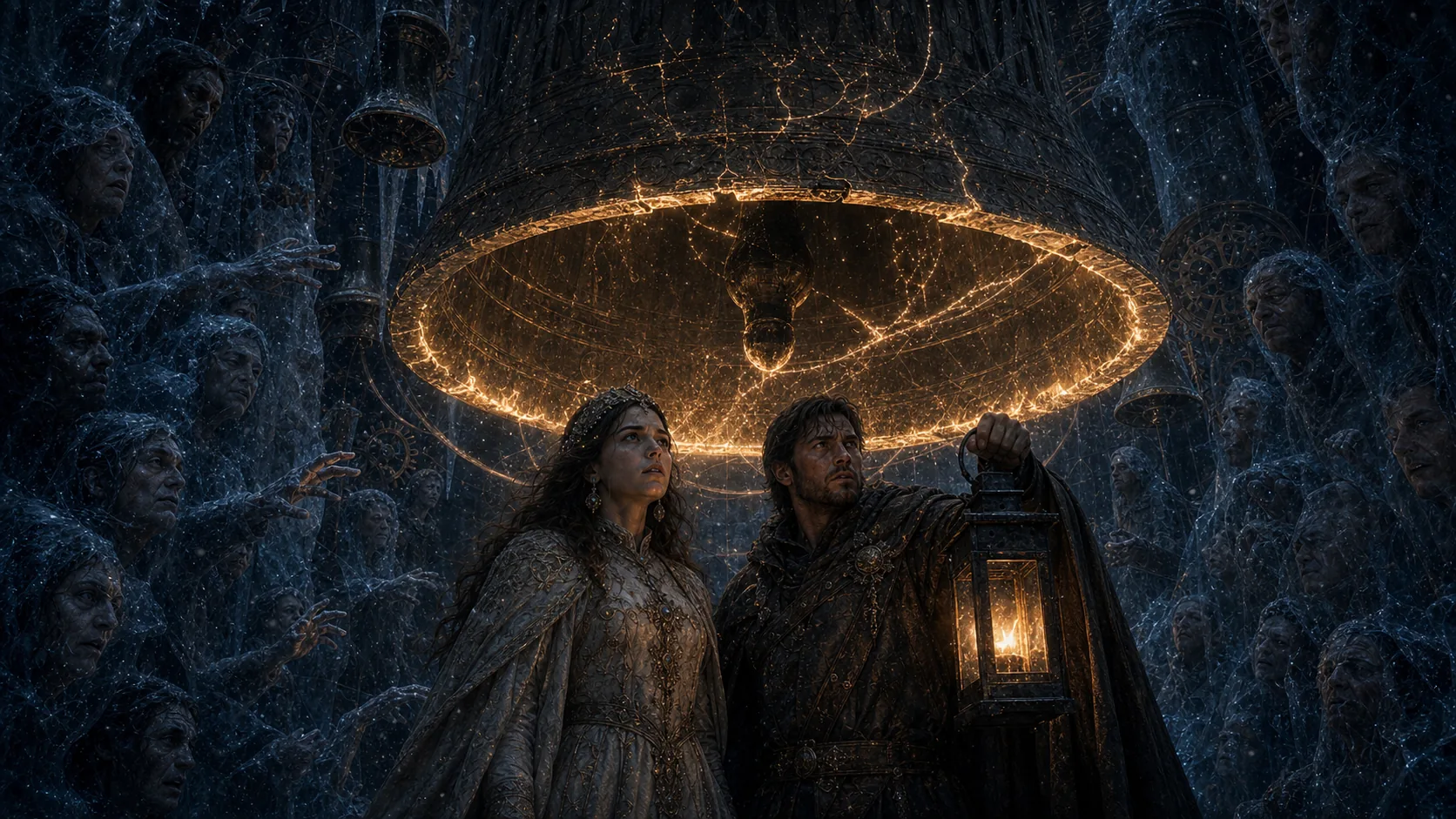
The tower’s true name shudders under the weight of every name it stole.
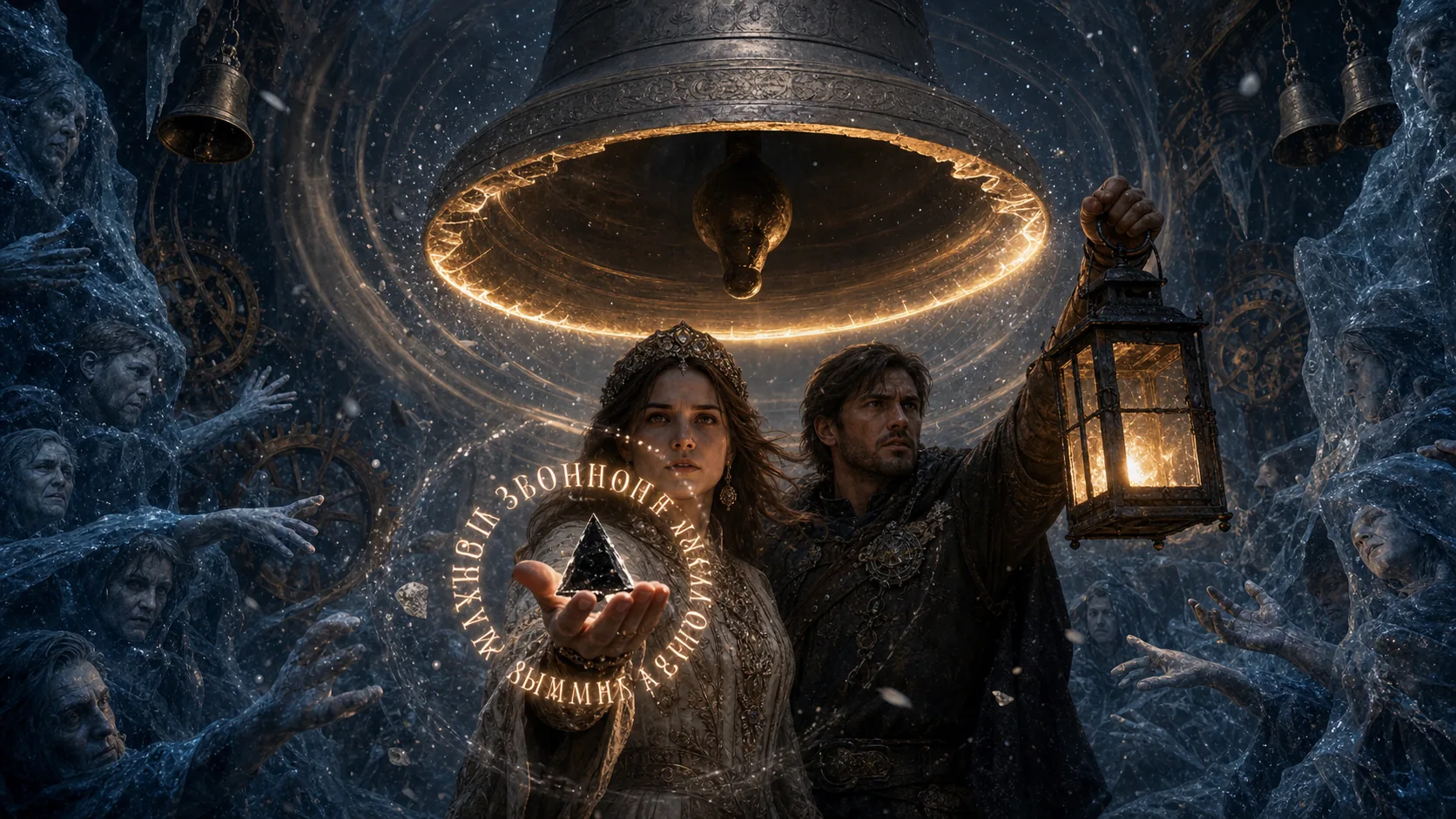
The bell rings inward, and the sound travels where no road could reach.
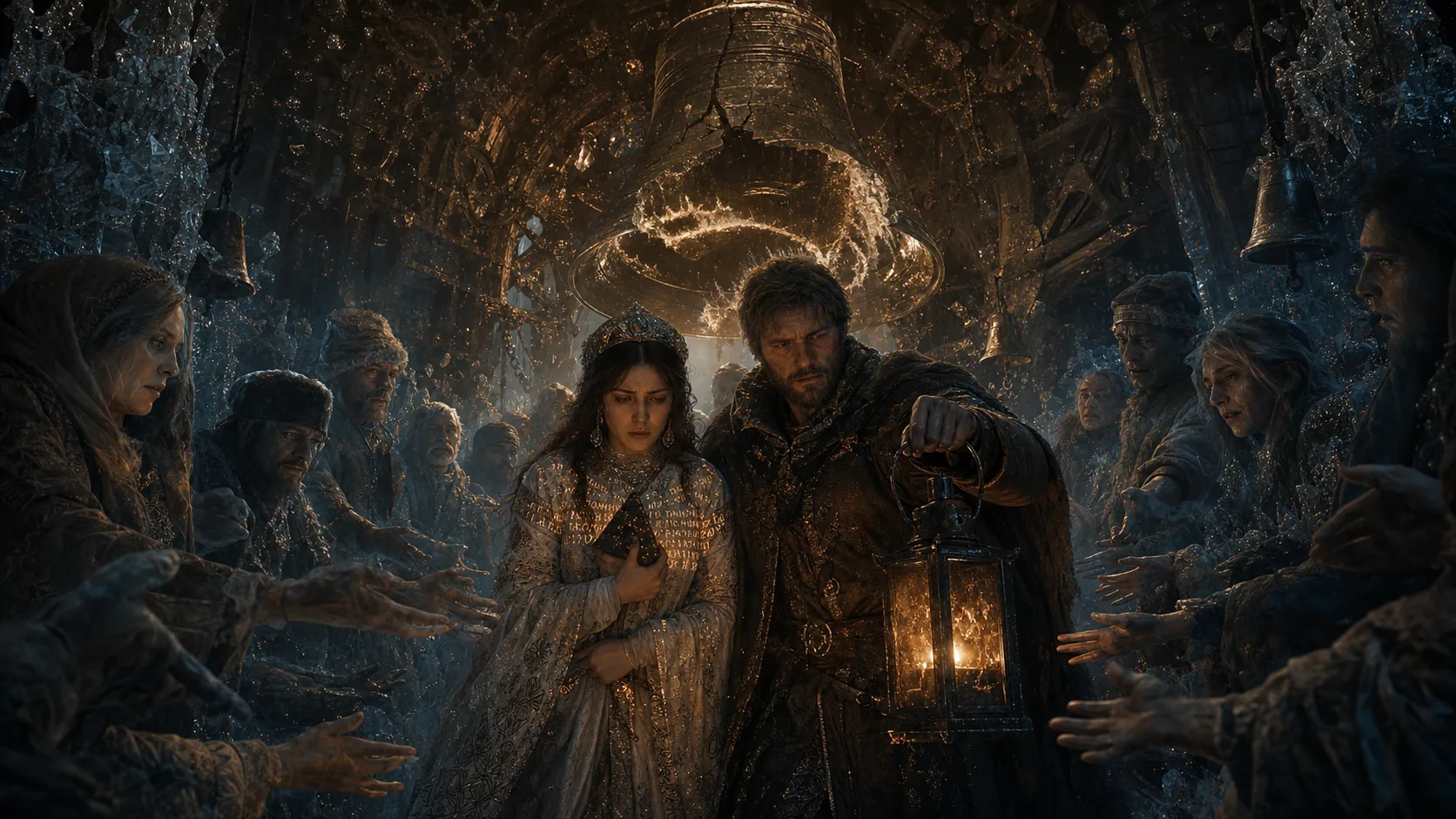
A passage made of remembered hands opens, built by those who refused to be forgotten.
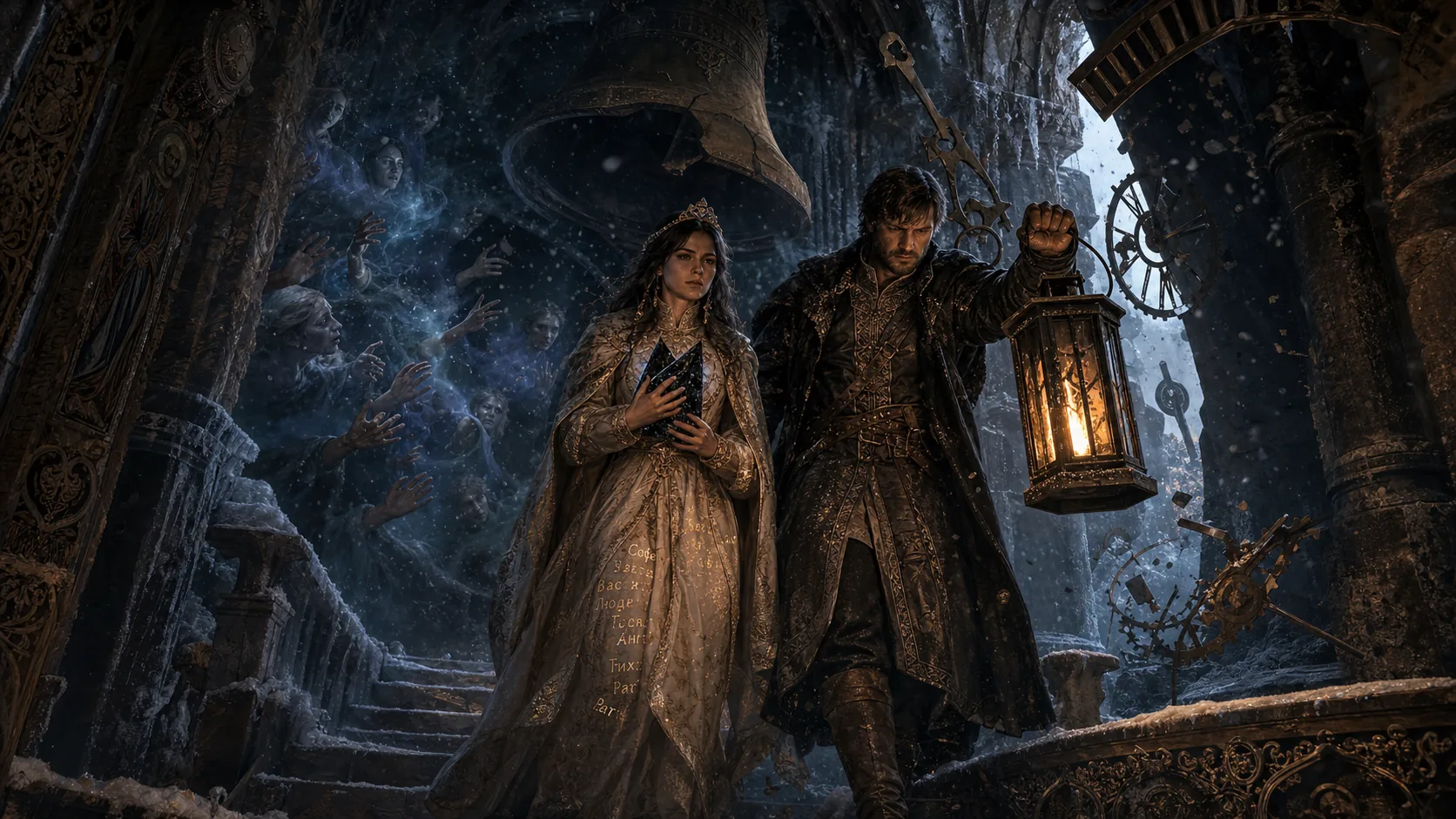
In the first second after, the world does not heal; it simply begins again.
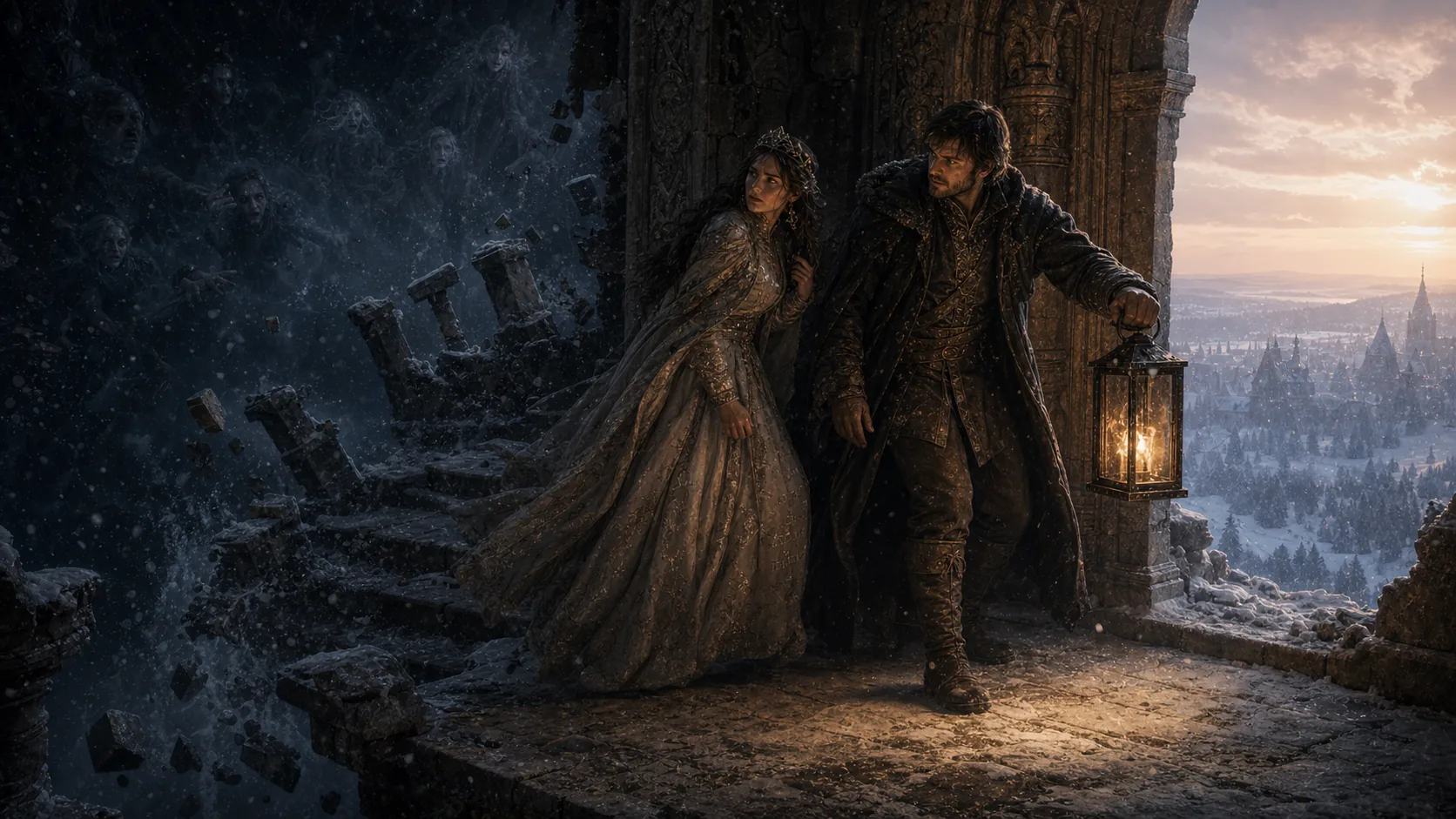
The stair falls behind them, cutting off the path that would have let fear follow neatly.
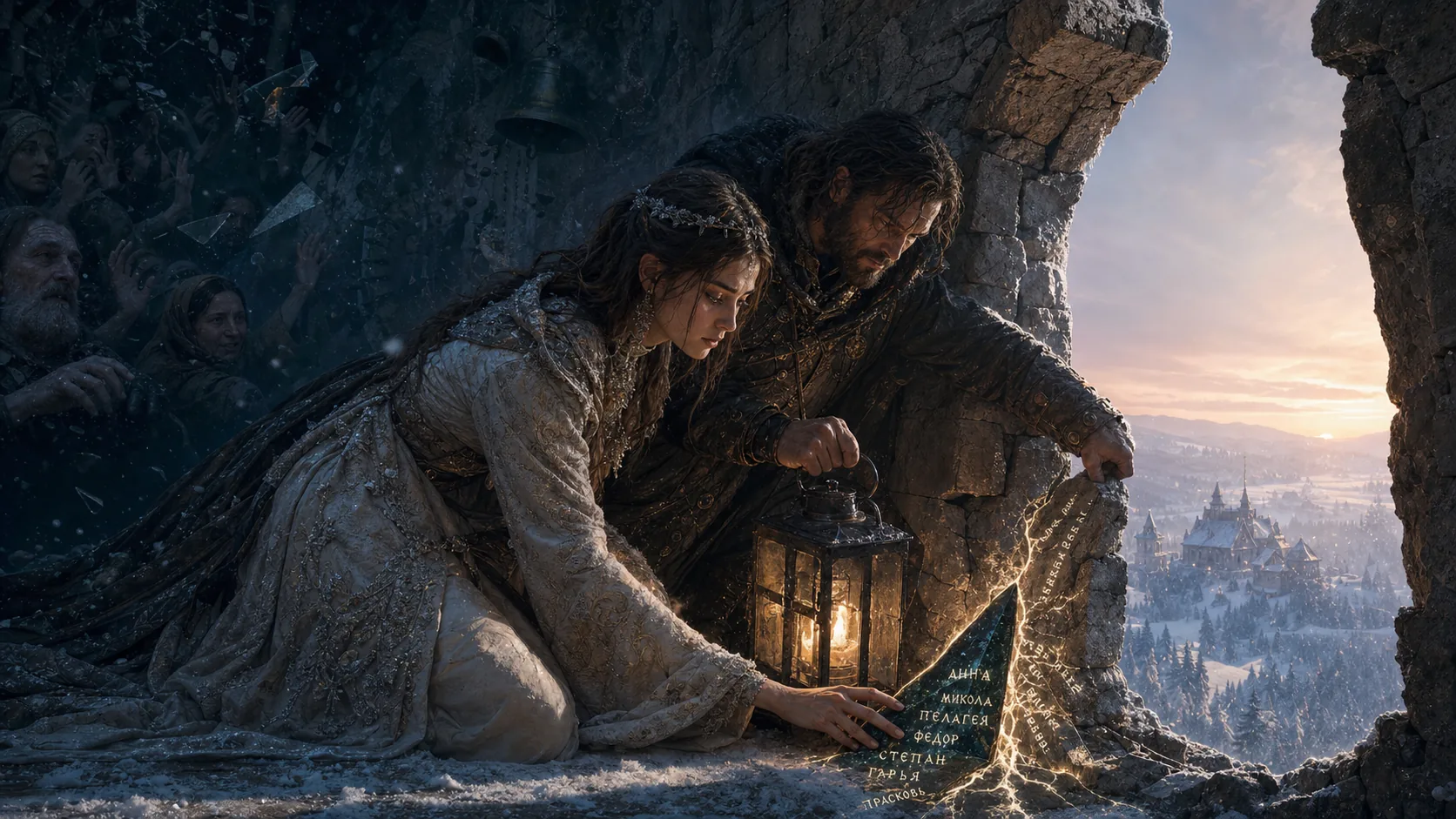
A shard remains in the doorway, sharp with the last shape of the broken curse.
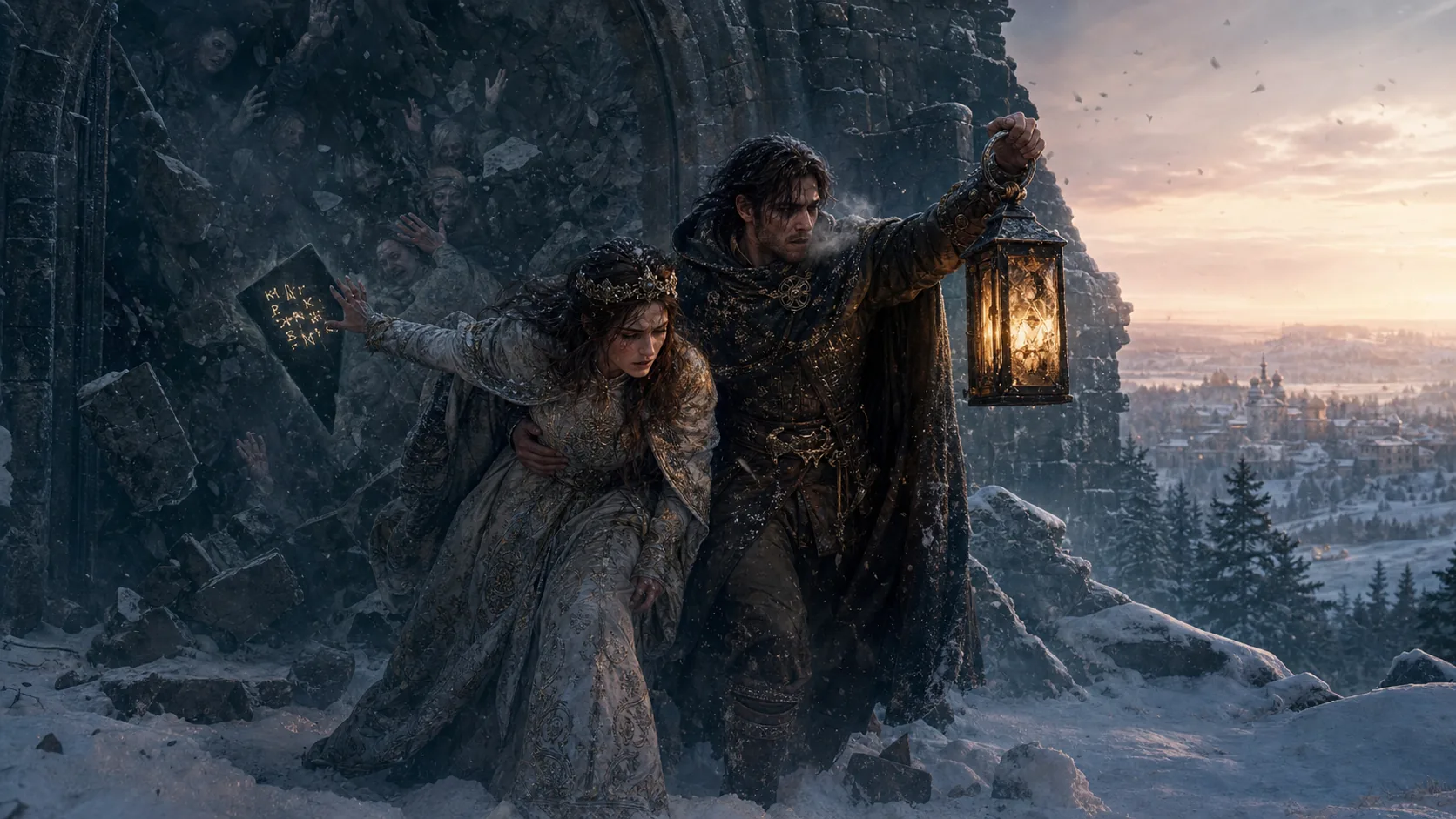
The doorway closes behind them, and the silence it leaves is almost mercy.
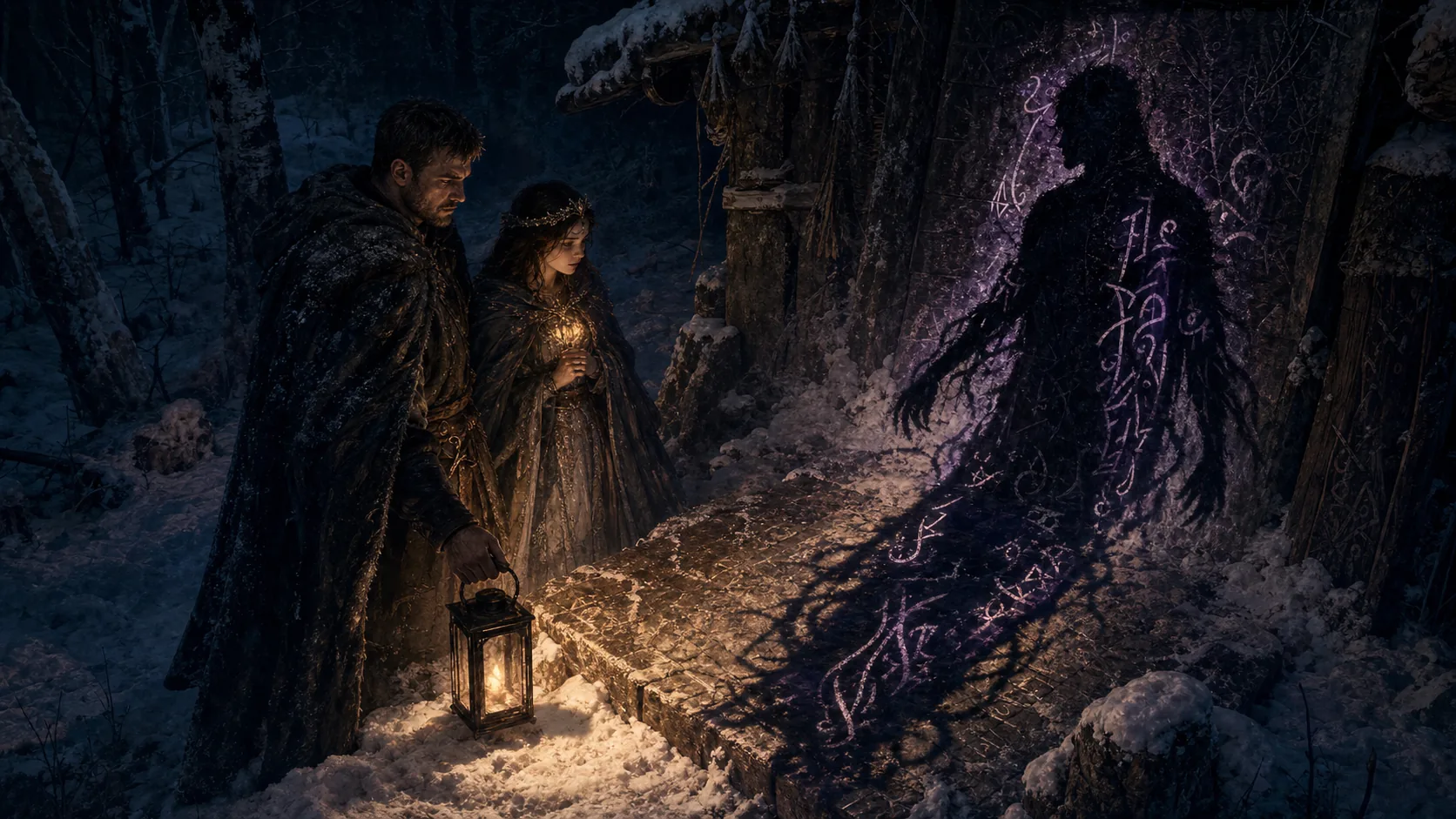
The shadow of a living name moves ahead of them, no longer stolen and not yet safe.
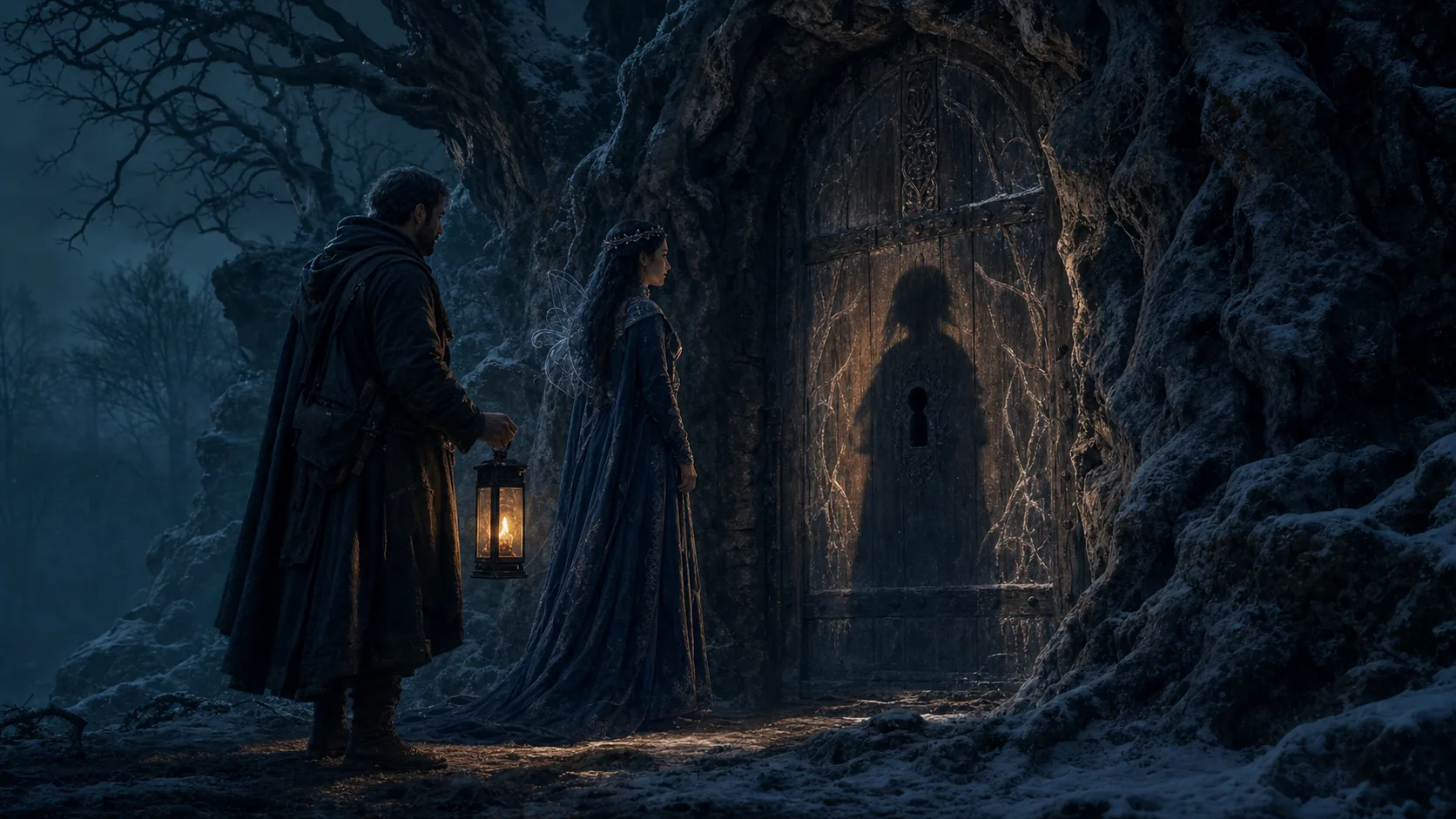
The door knows her shadow and opens only because Искорка has become herself again.
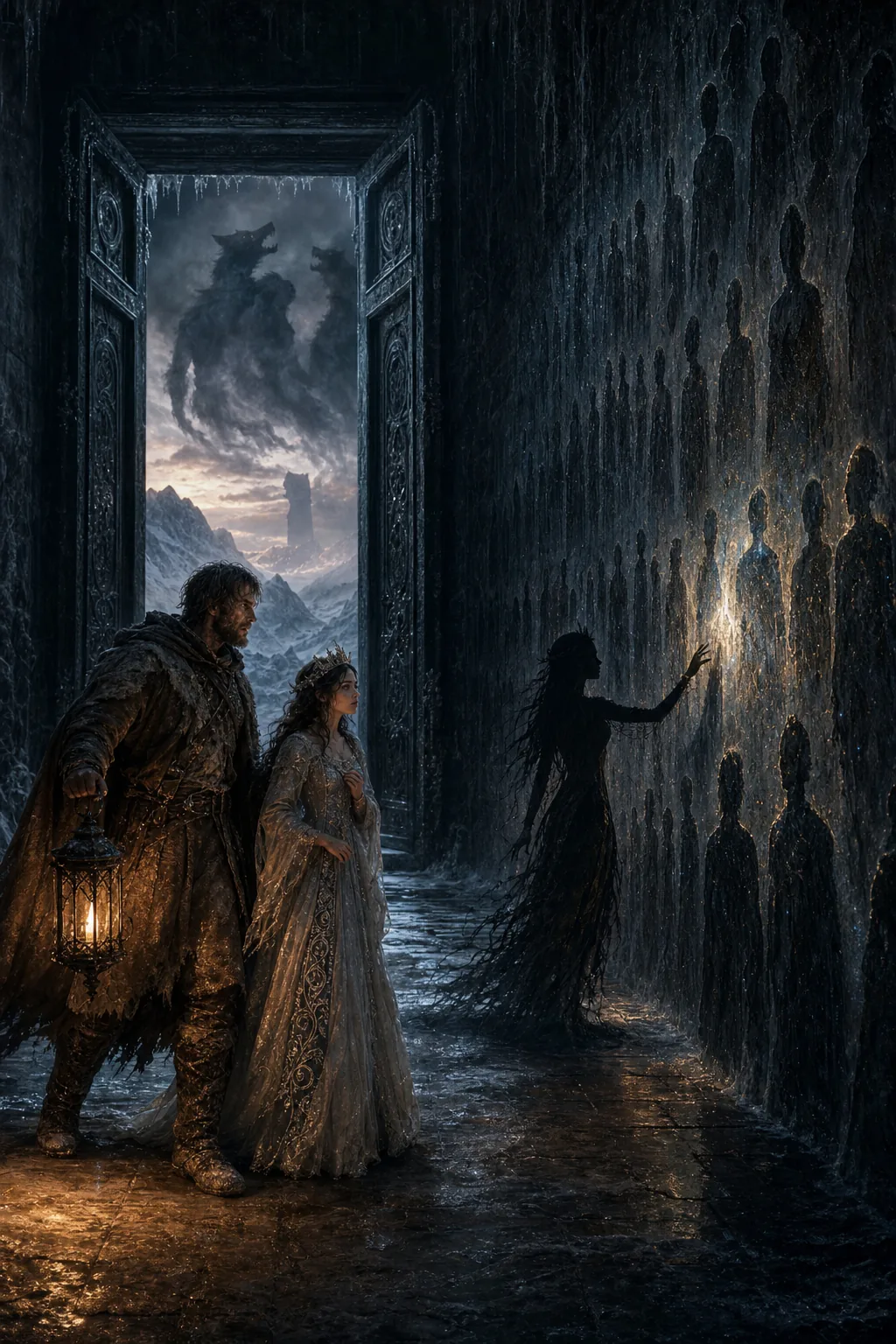
In the hall of unclaimed names, the forgotten wait without faces and without rest.
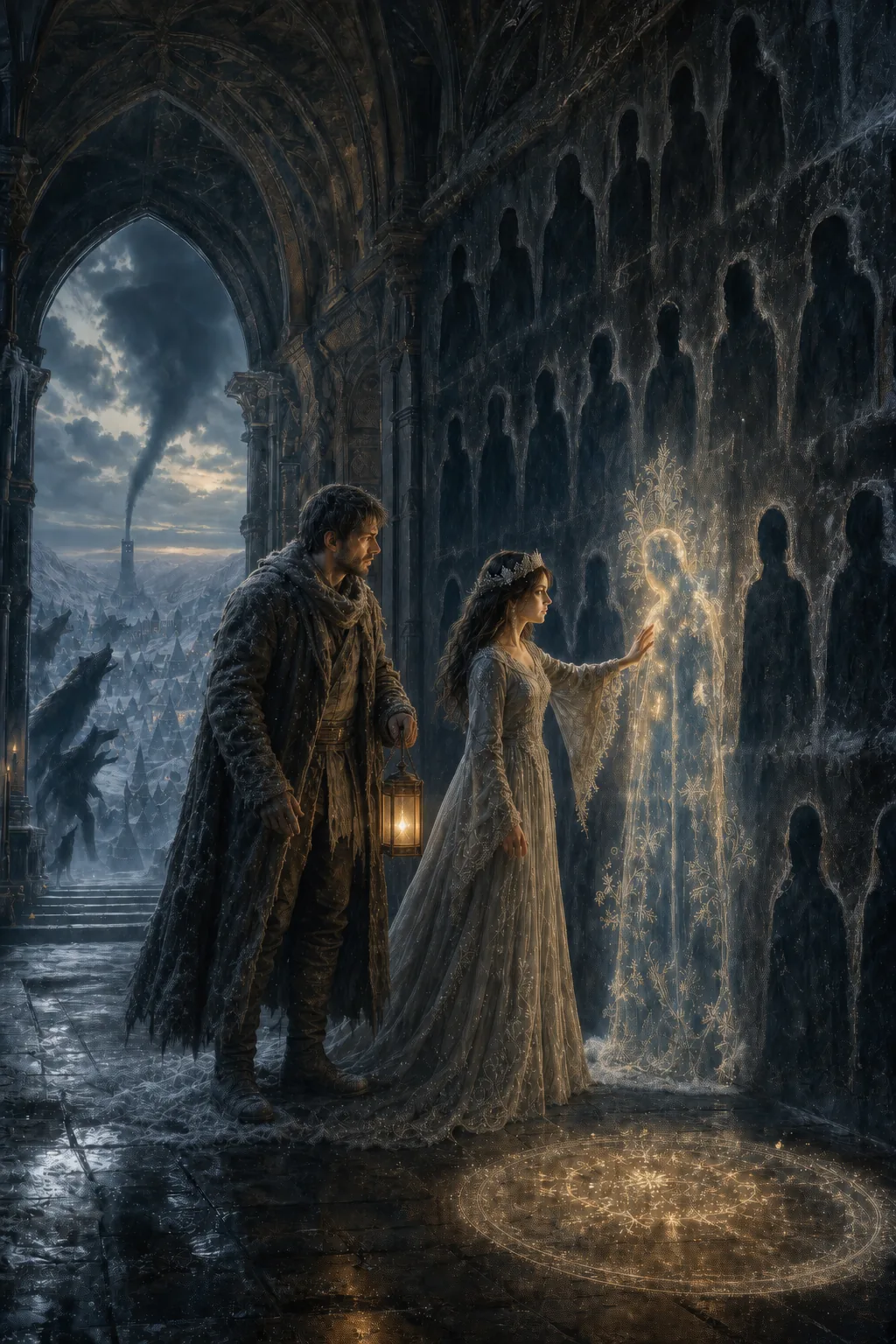
The first name returns like a coal finding breath inside ash.
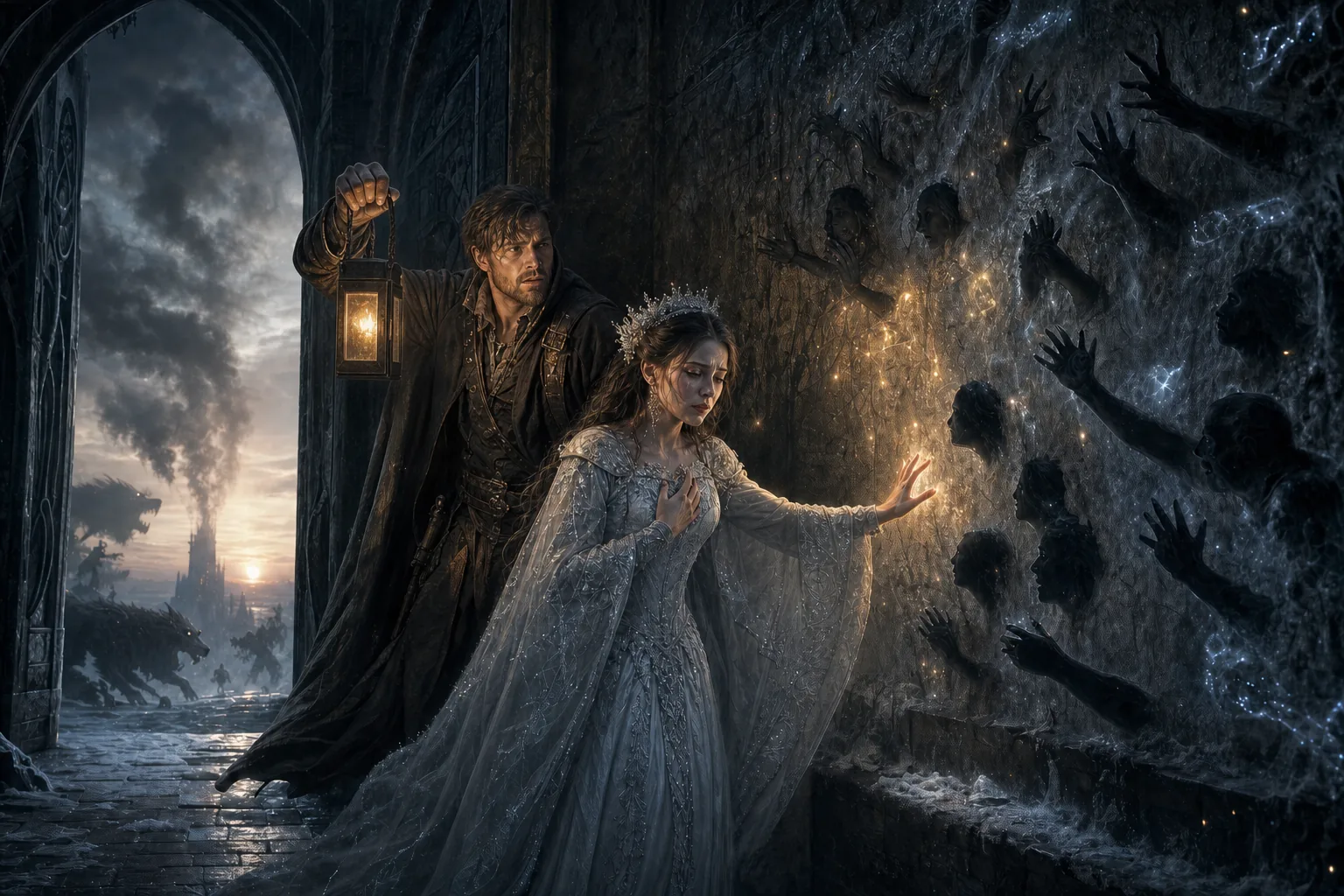
The wall begins to answer, each mark awakening into a name once taken.
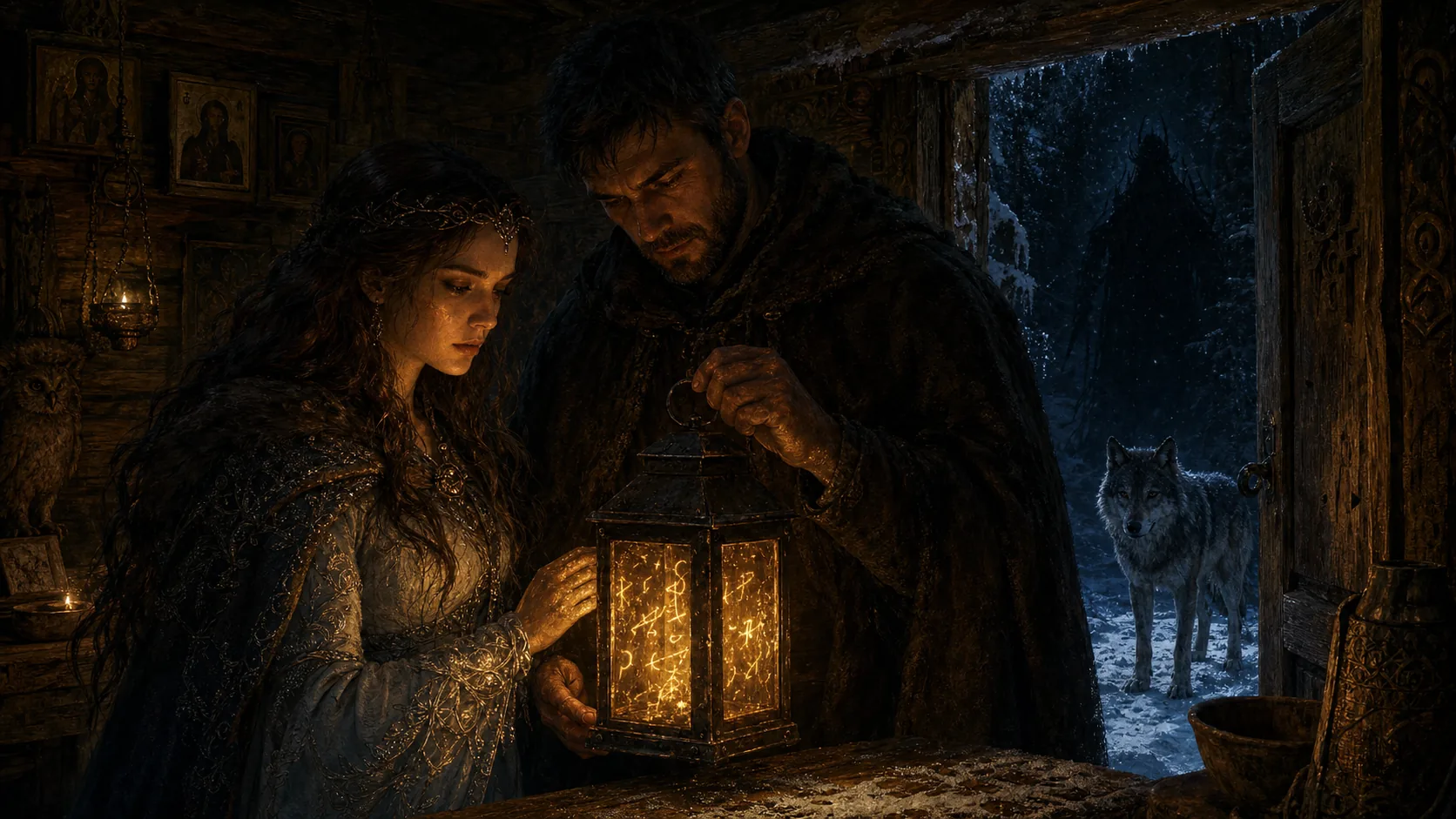
The lantern learns their names, and its flame becomes heavier with every life restored.
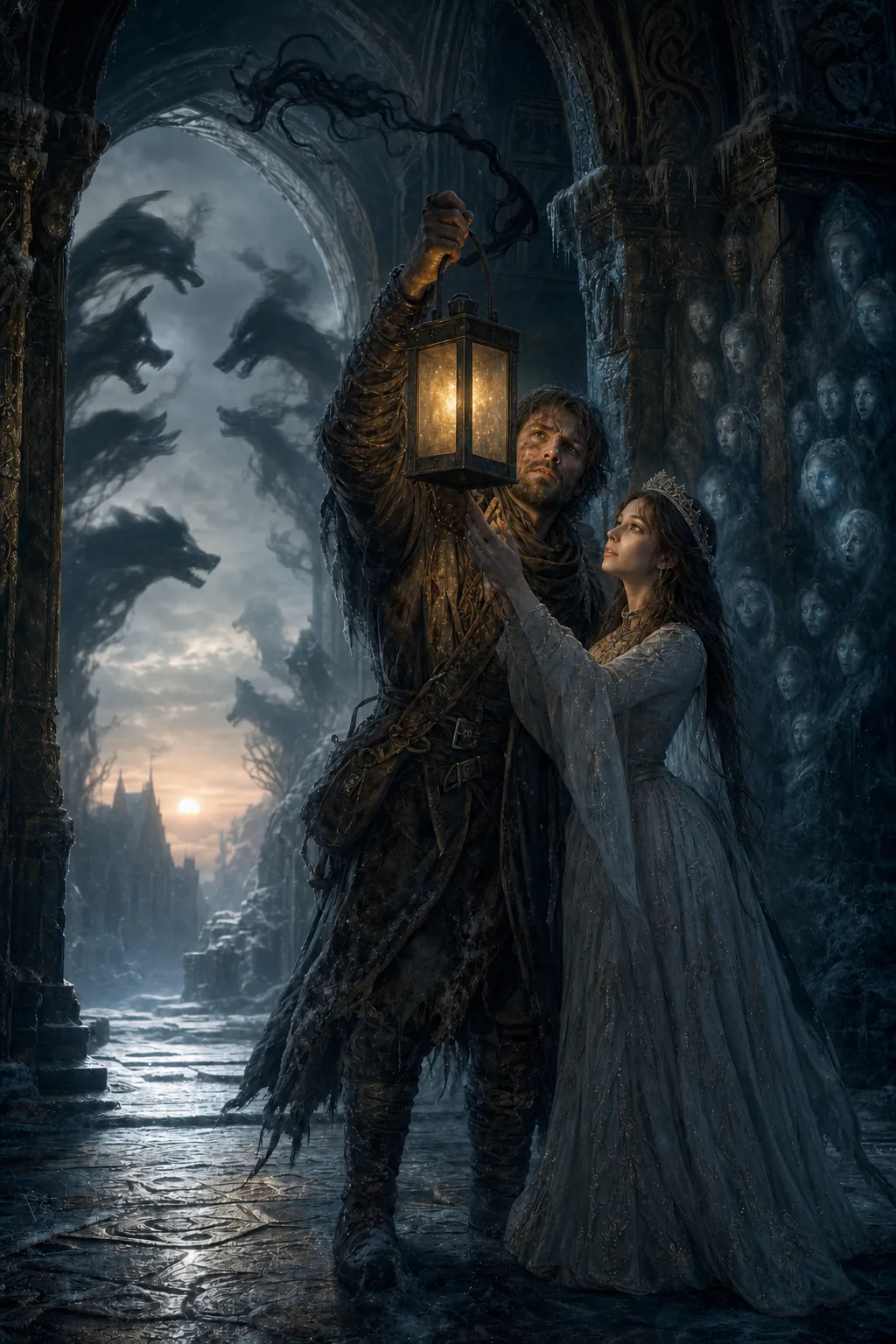
The flame grows heavier, not with fire, but with the souls it refuses to abandon.
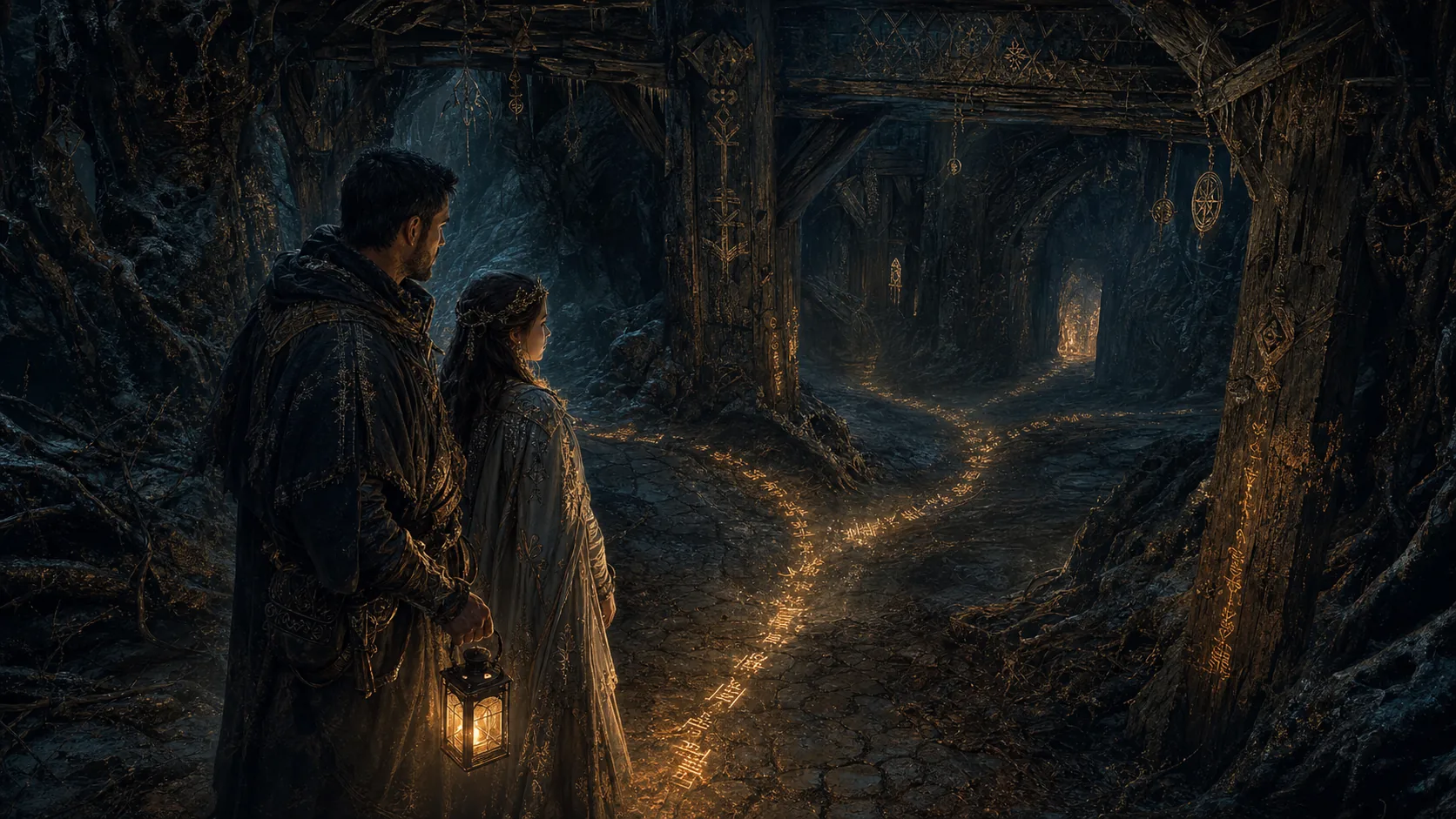
The returned names choose the road beneath the mountain, where escape becomes remembrance.
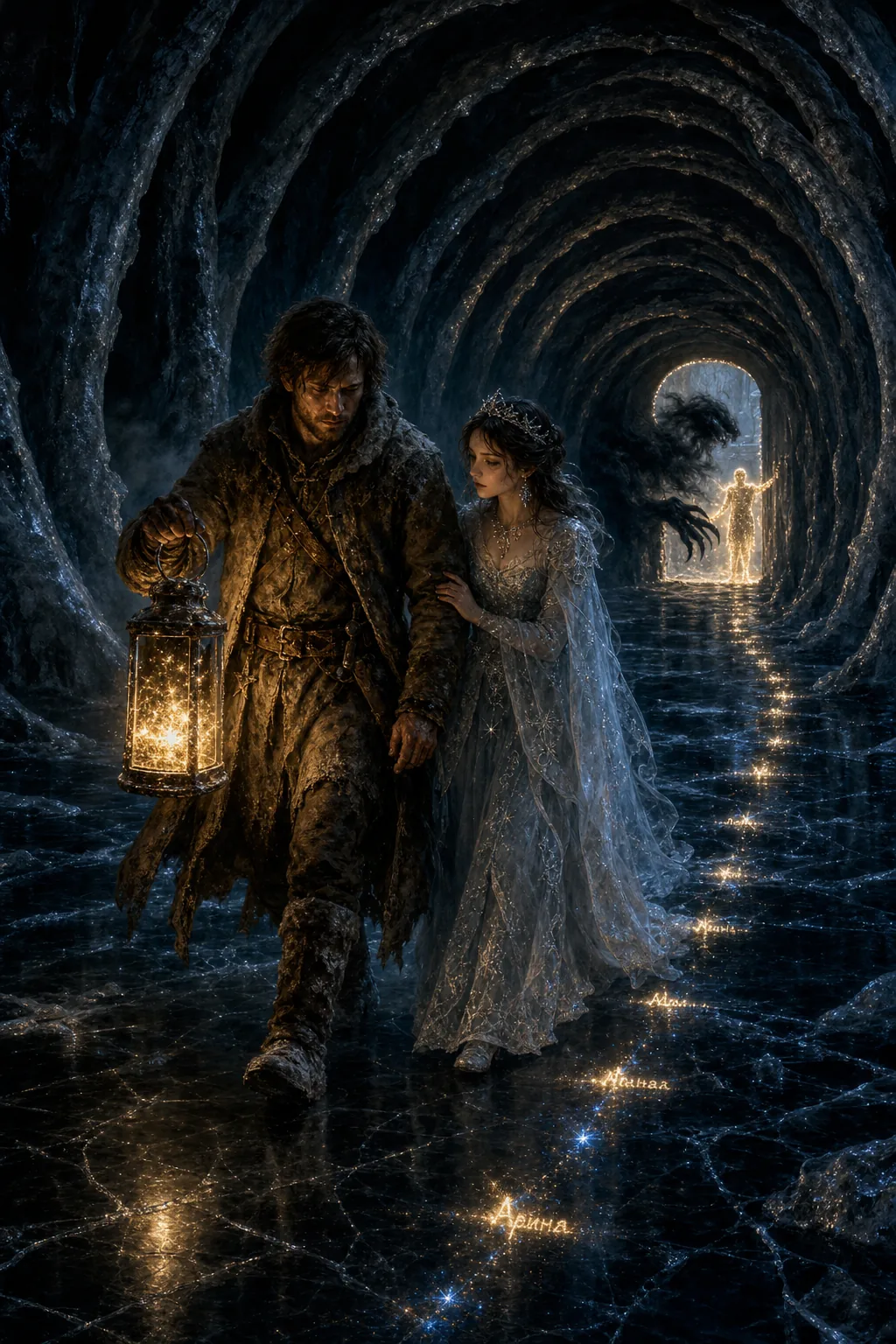
The road beneath the mountain accepts the weight of the names they carry.
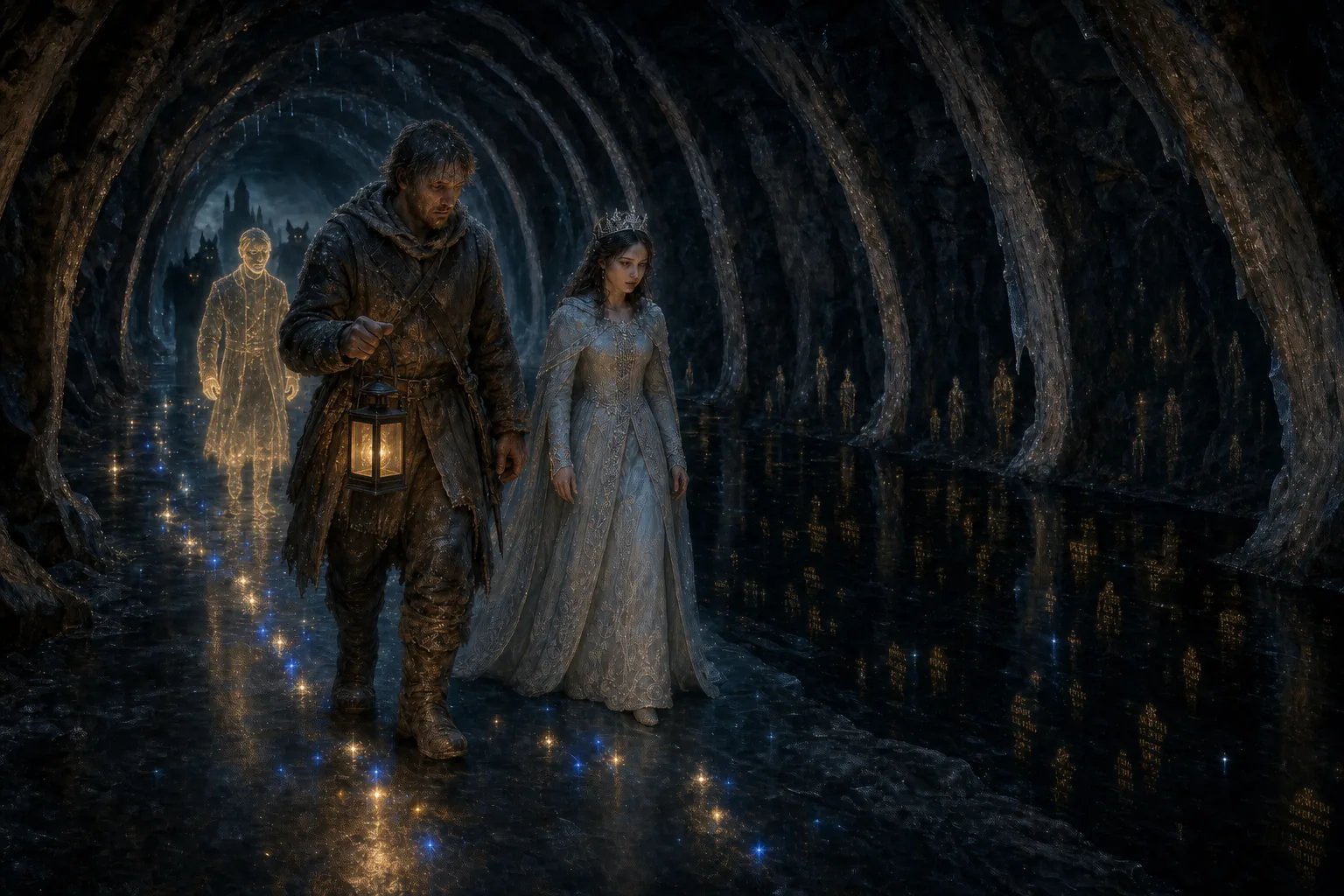
A name walks behind them, neither ghost nor enemy, but a memory learning to keep pace.
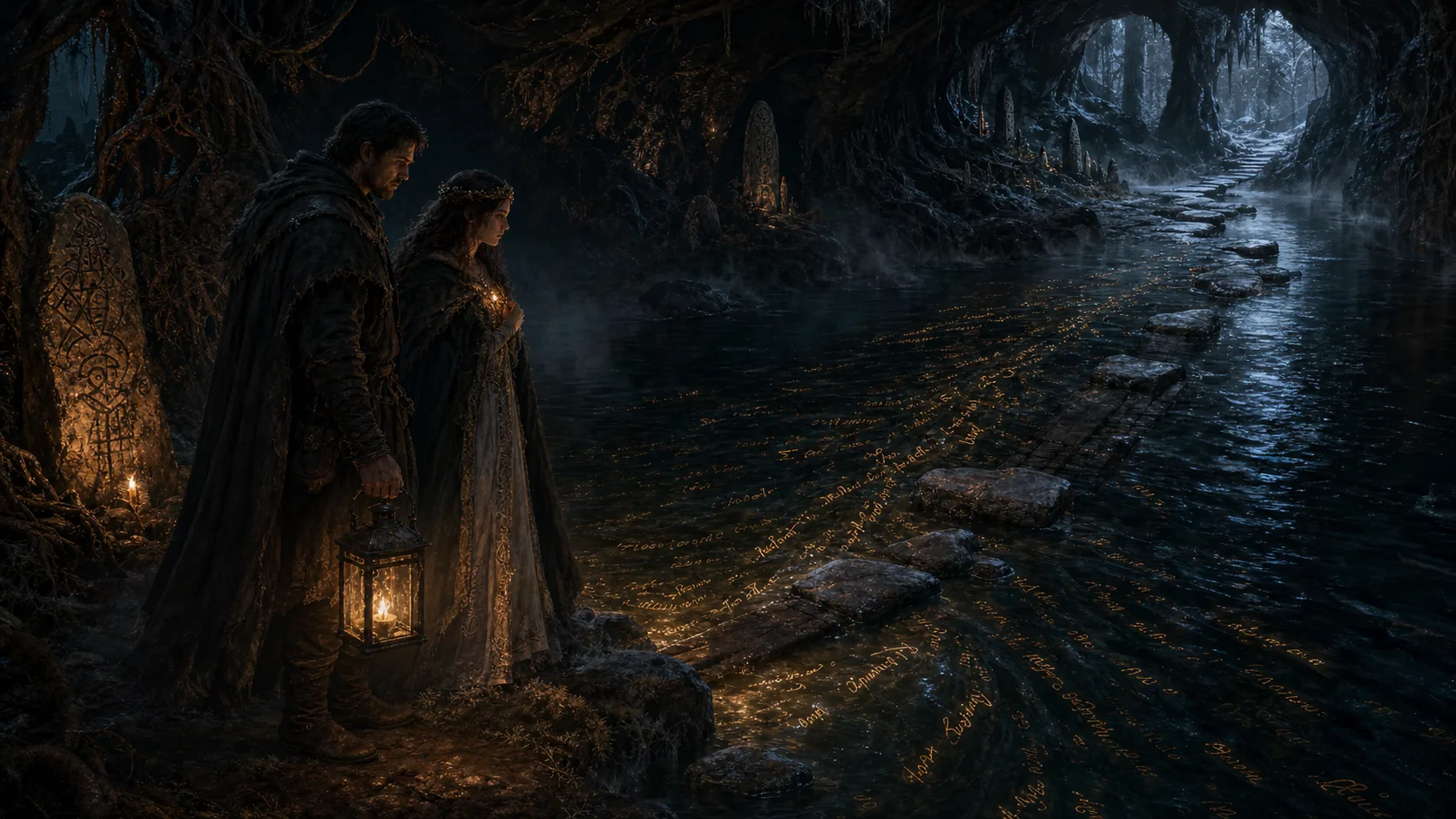
At the river of unspoken names, silence runs deeper than water.
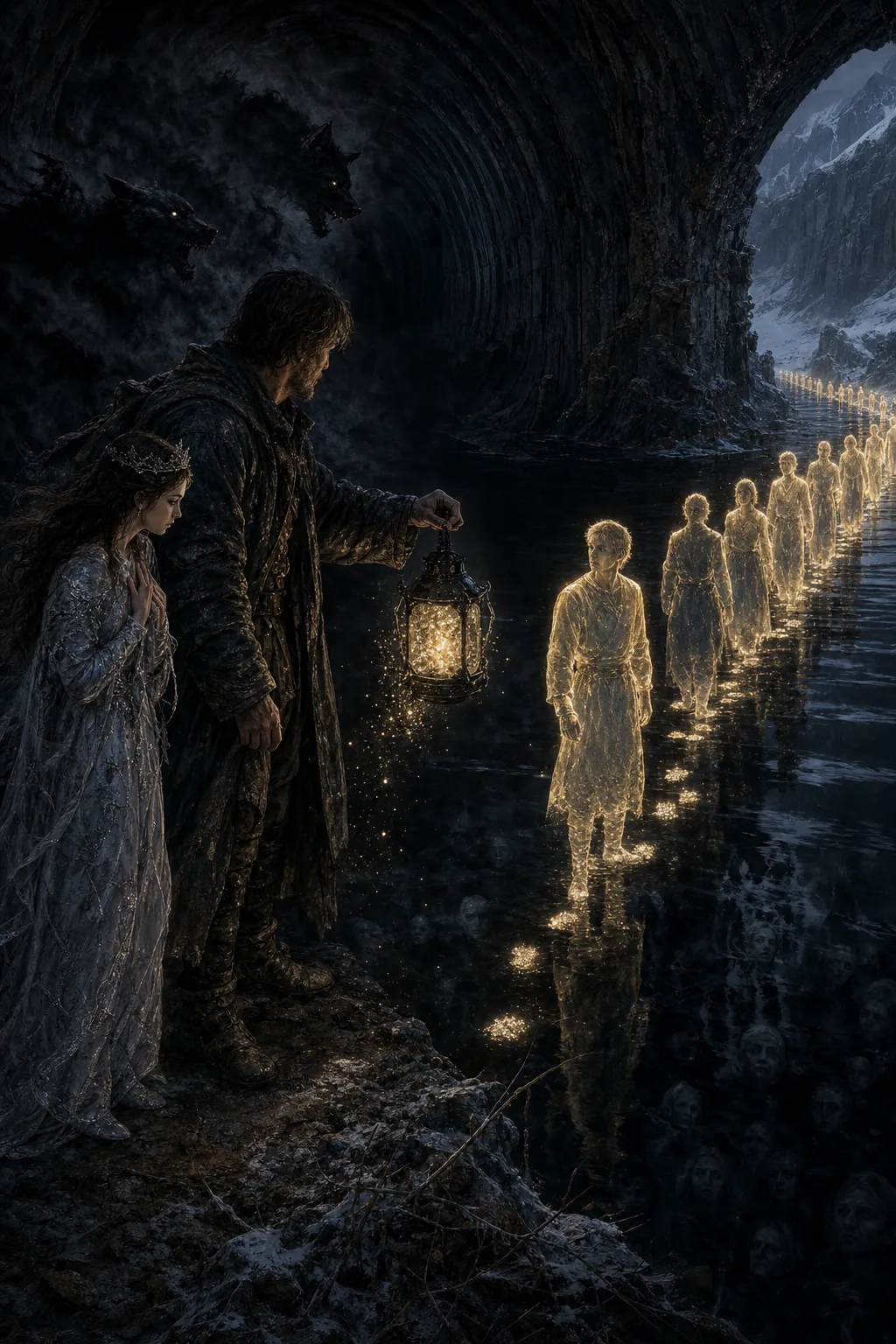
The bridge holds because remembered feet have crossed worse darkness before.
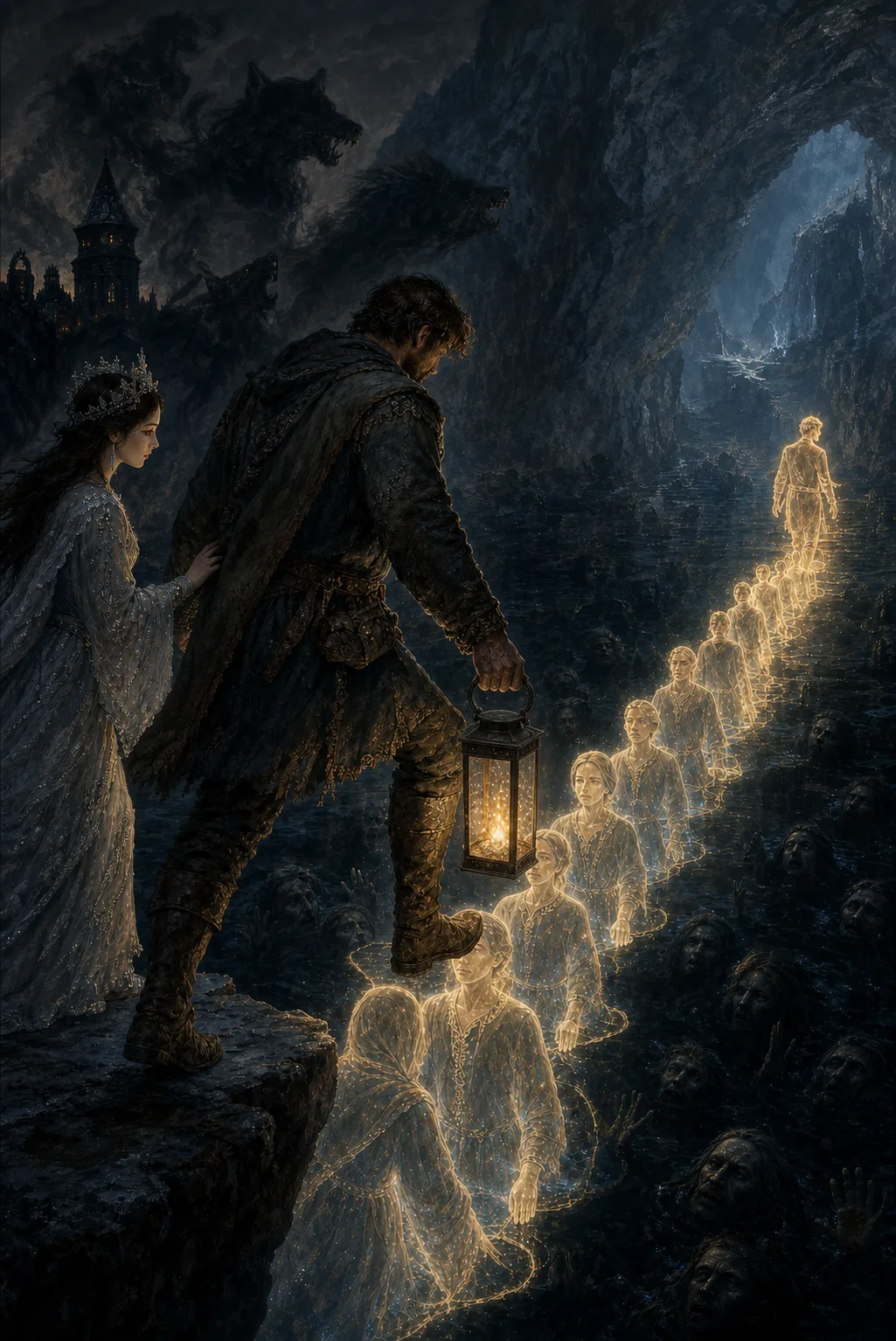
Their first step onto memory is also the first step toward the world again.
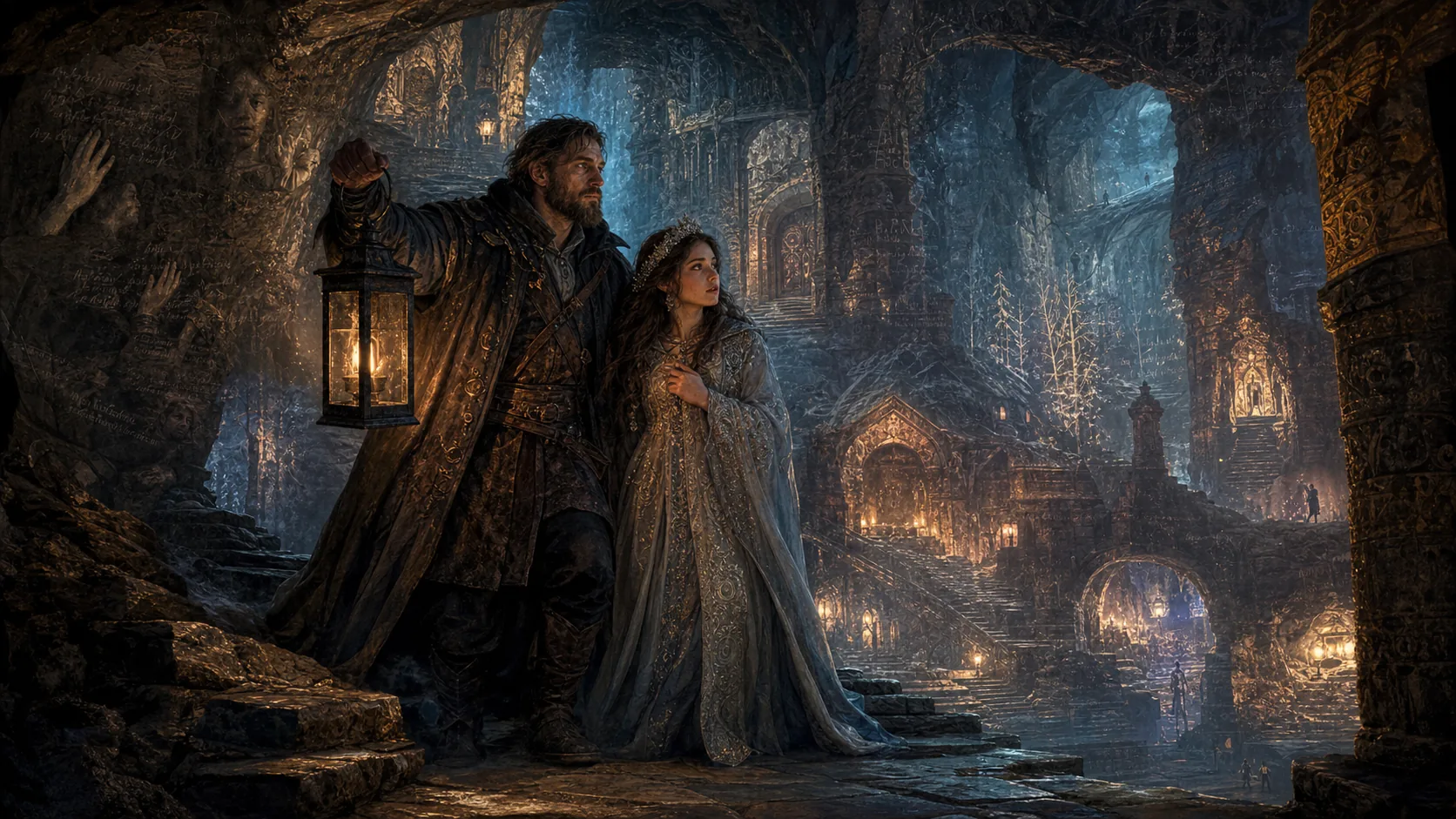
Beneath the stone, memory breathes slowly, as if the mountain itself has lungs.
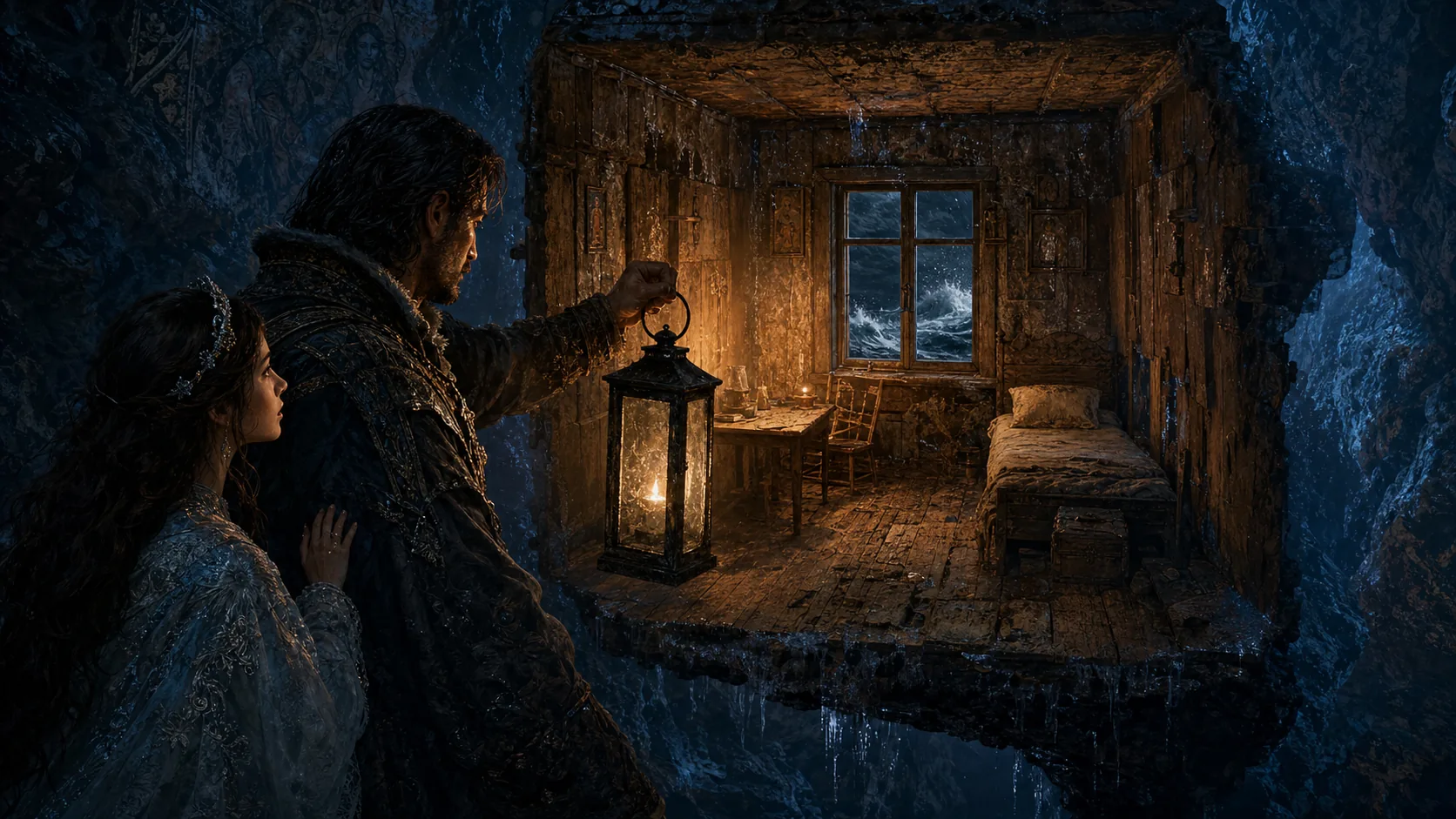
The room remembers him before he is ready to remember himself.
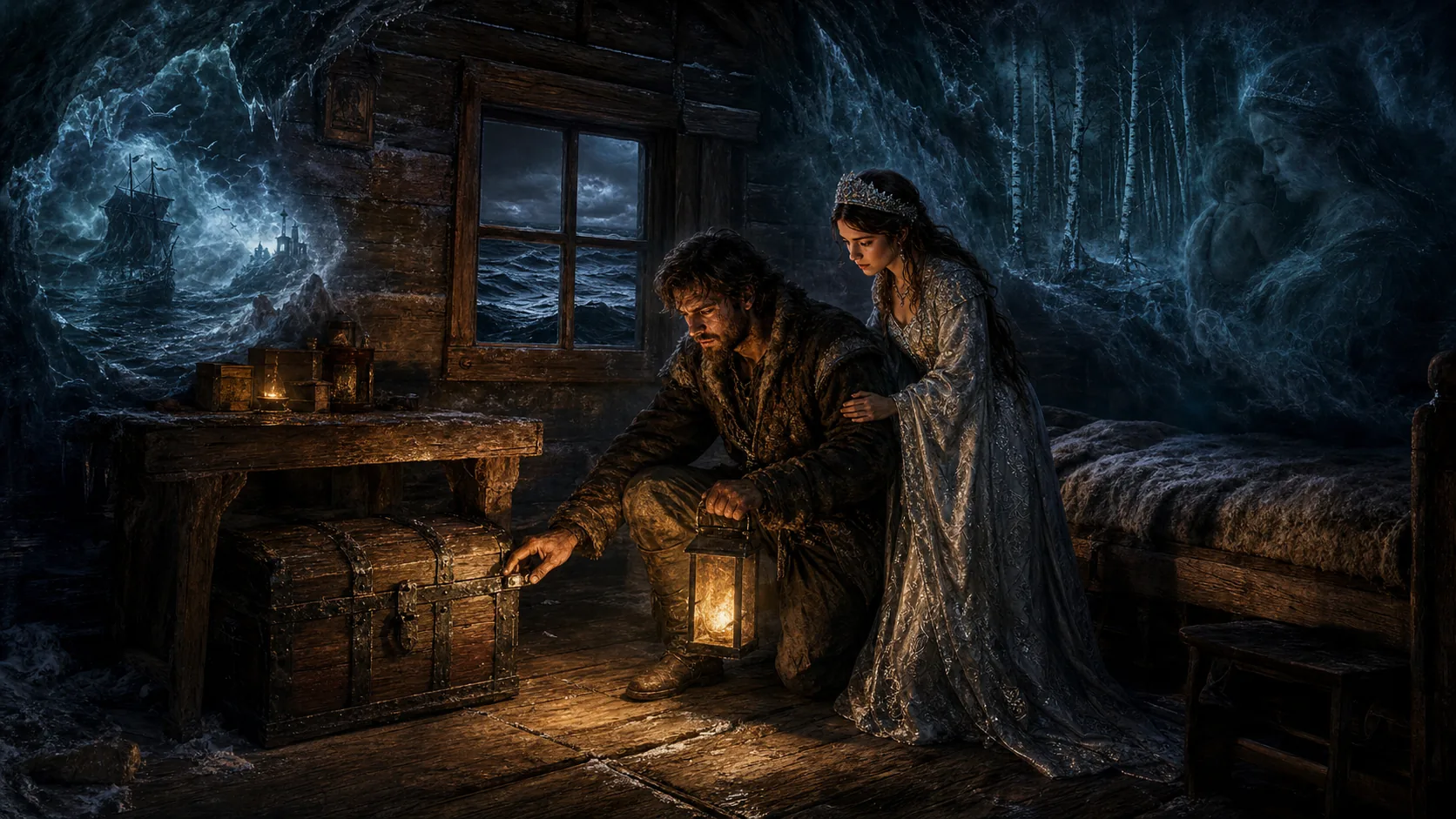
There is a memory he would not open, waiting with the patience of a locked chest.
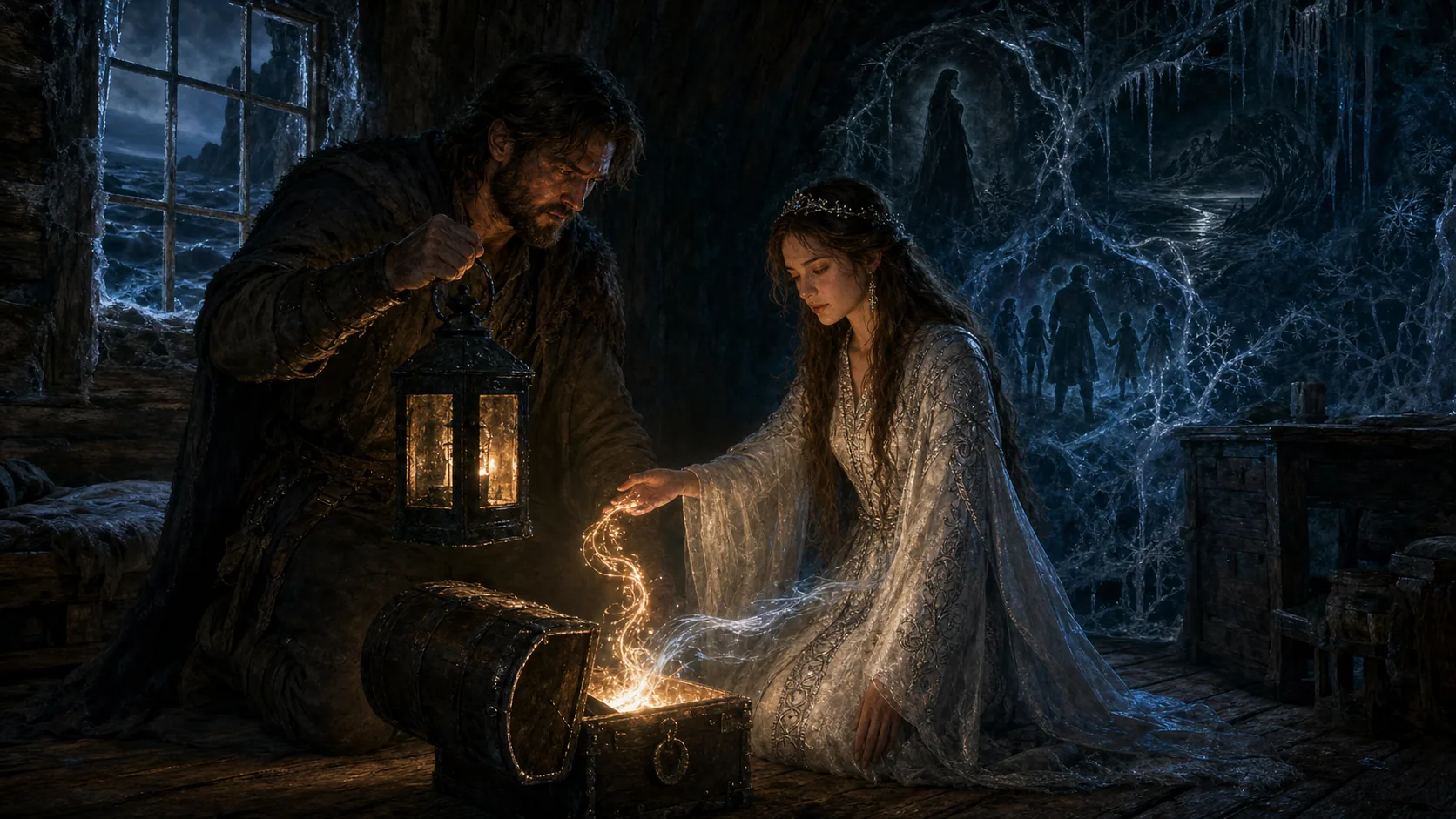
When the chest remembers her name, its darkness stops being empty.
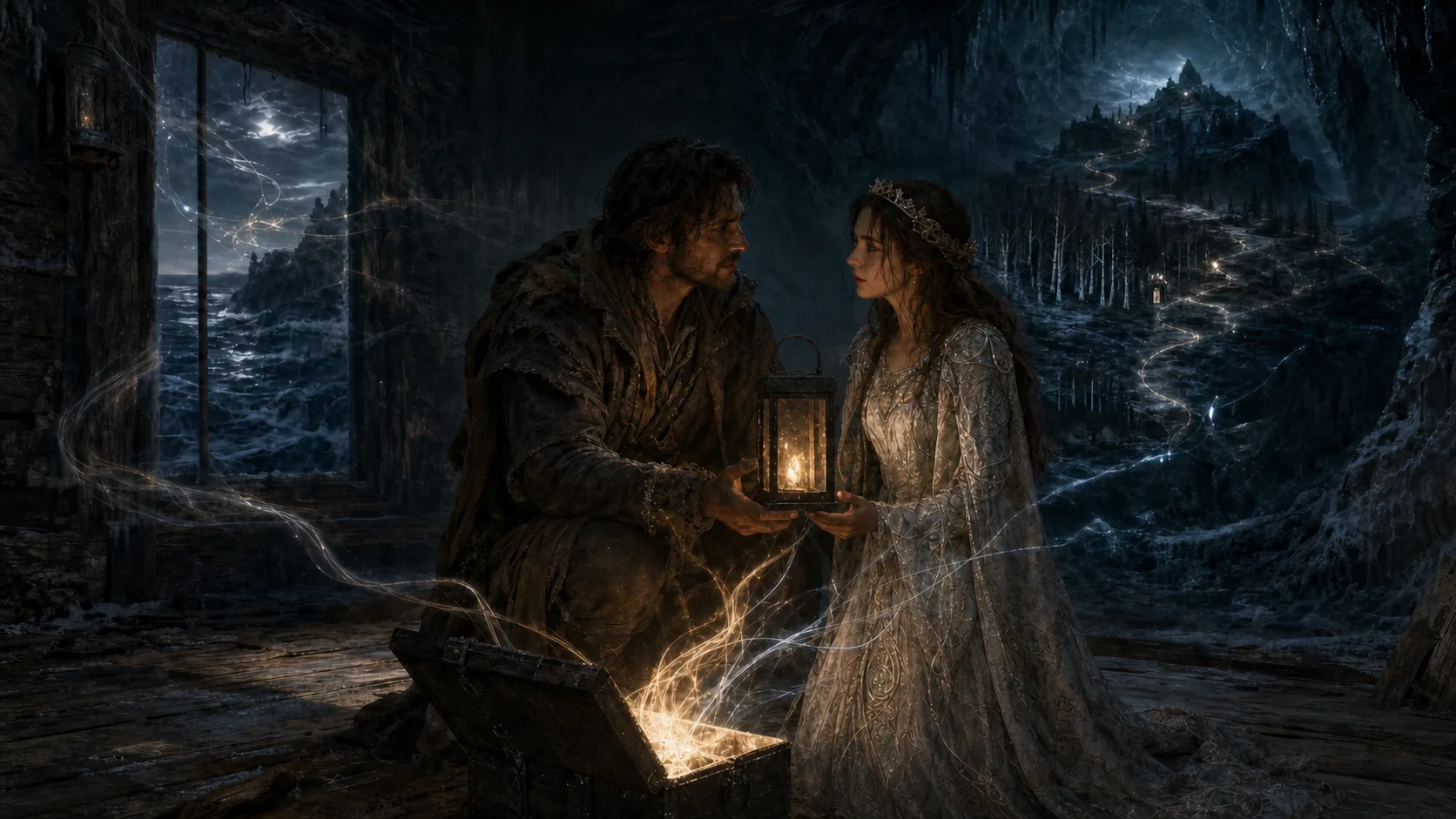
He carried the name before he knew it, and the truth of that almost breaks him.
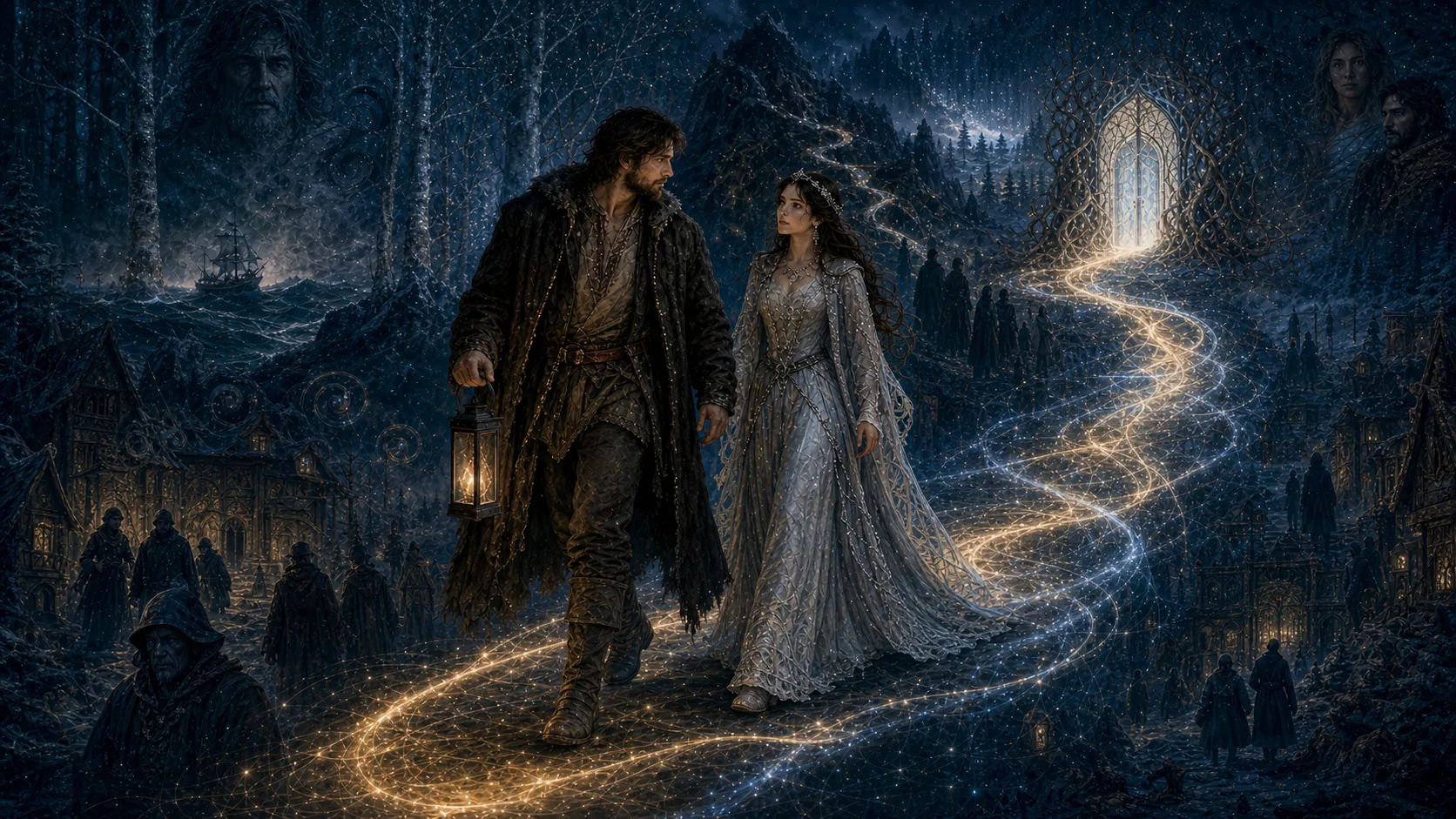
The path answers both names, joining what the curse had kept apart.
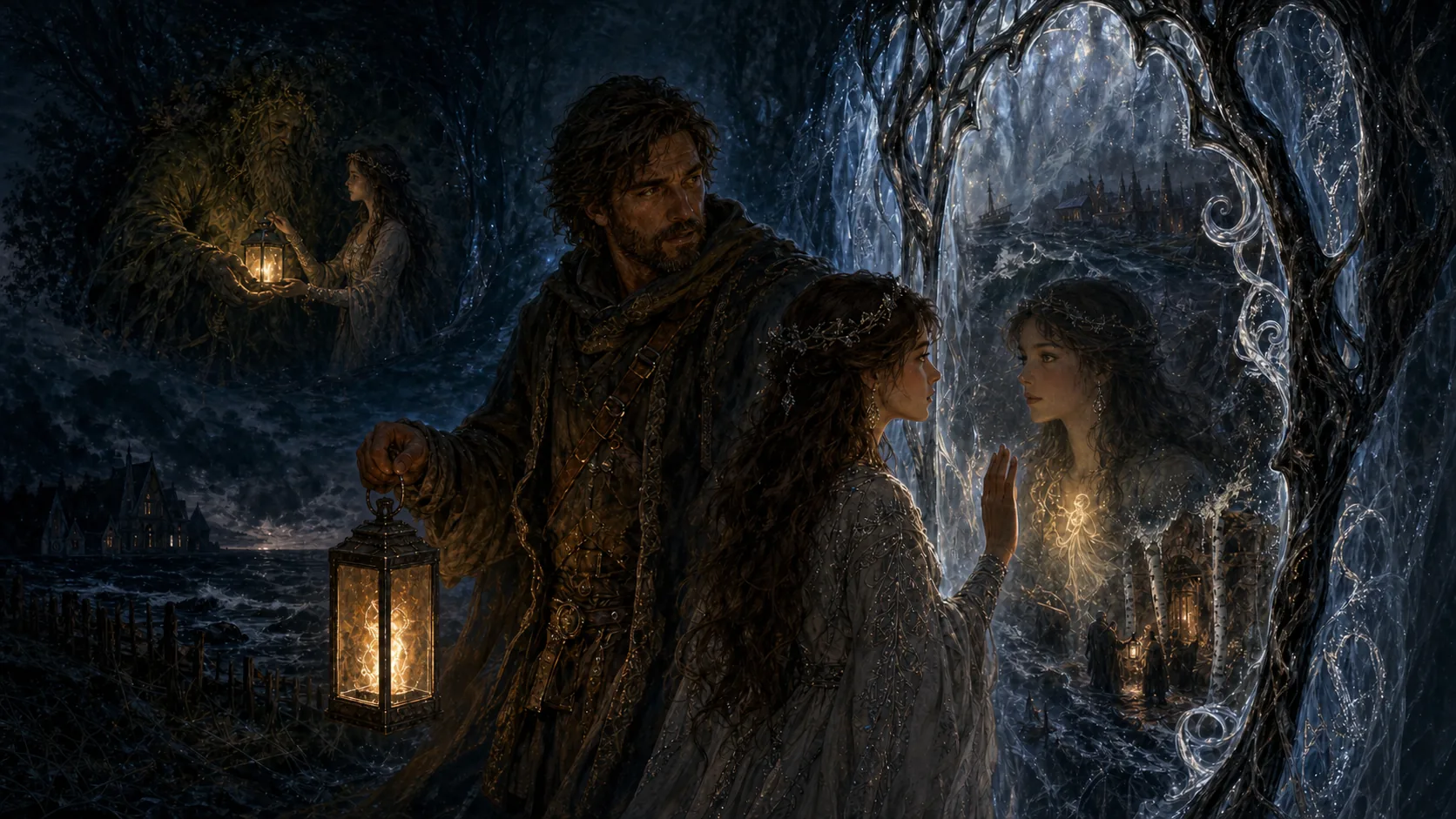
The door opens only backward, because some escapes must pass through what was lost.
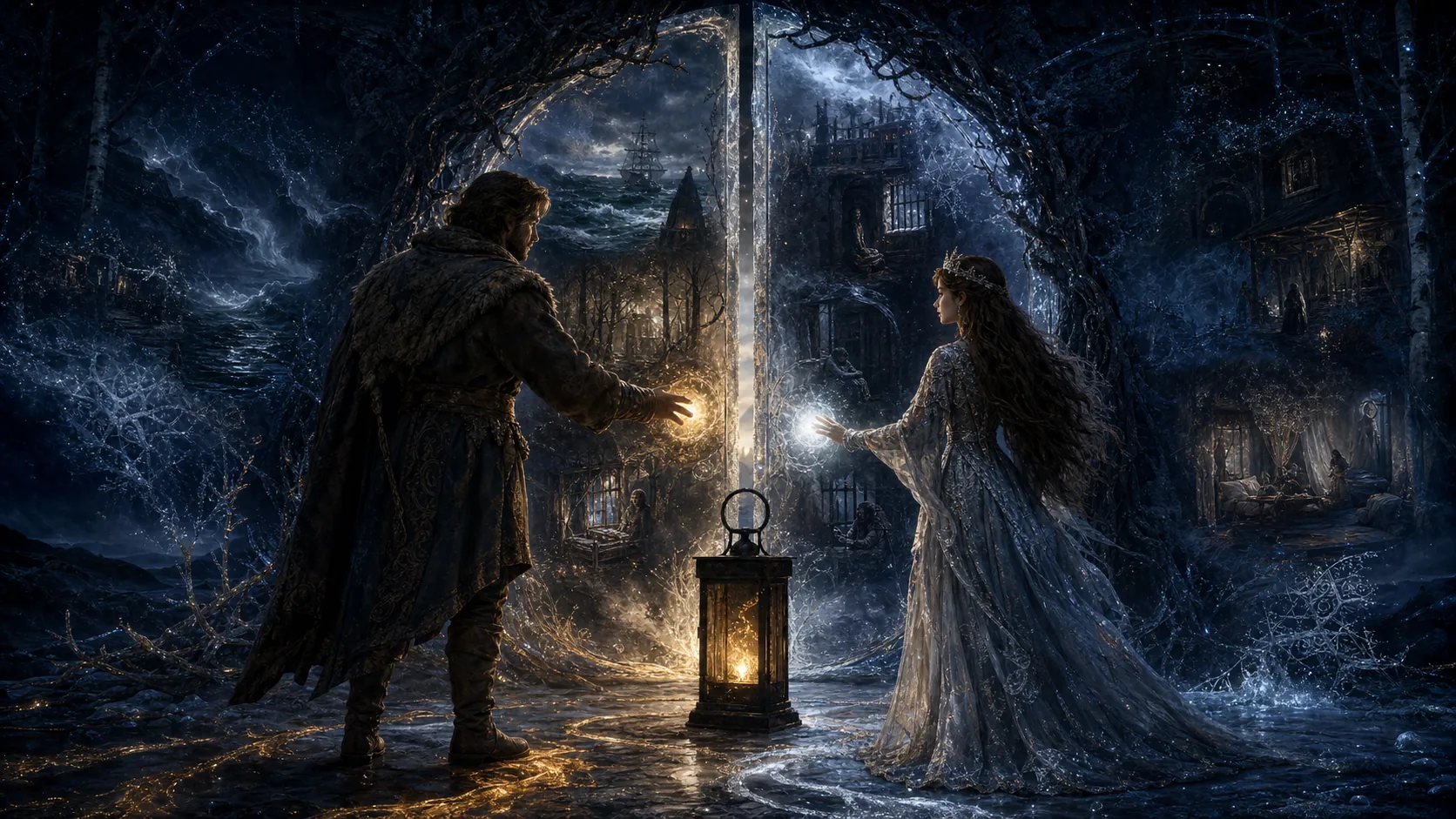
They choose what to carry, and leave behind what only wanted to be worshiped as grief.
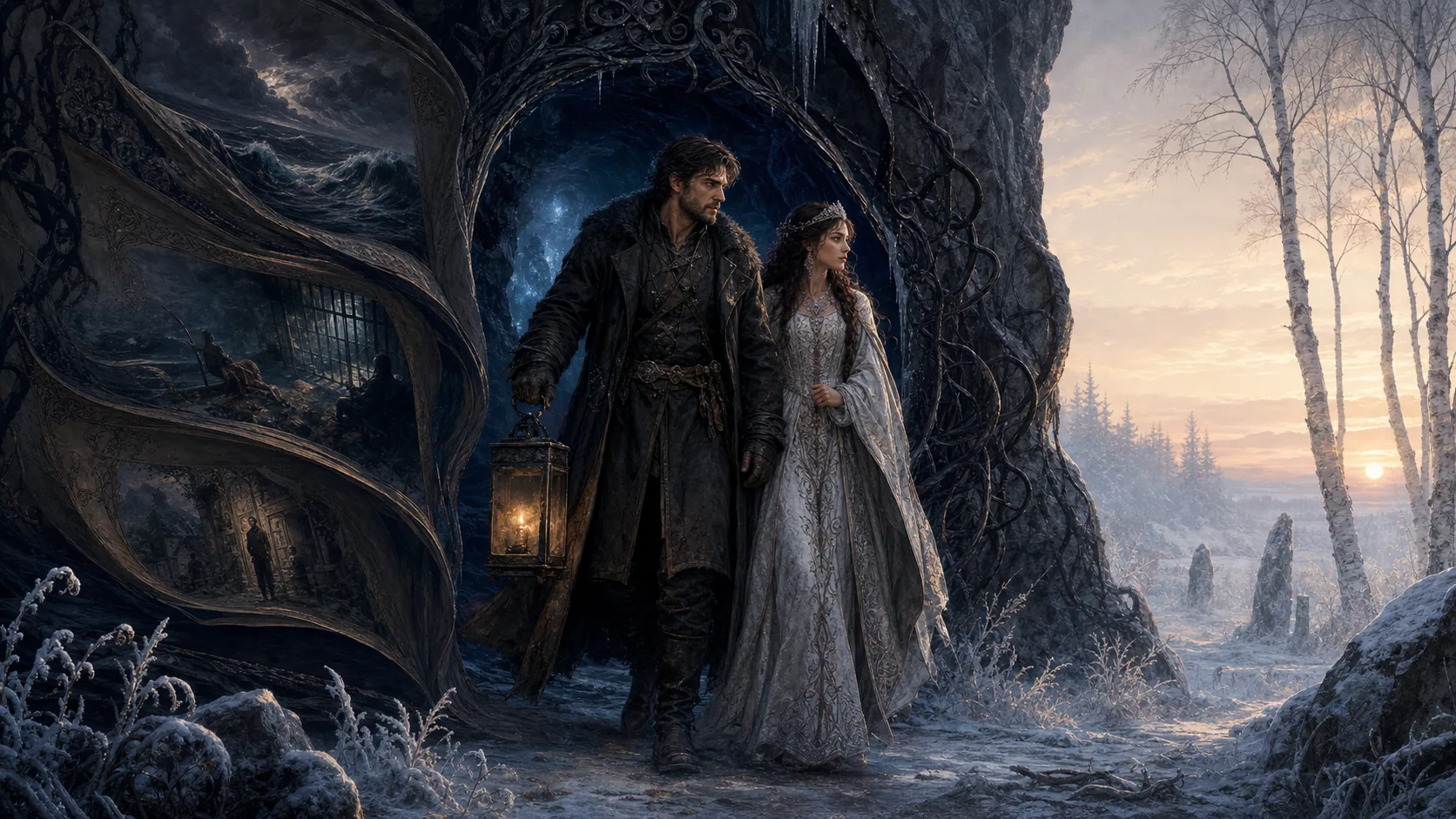
Beyond memory, the first breath tastes less like victory than survival.
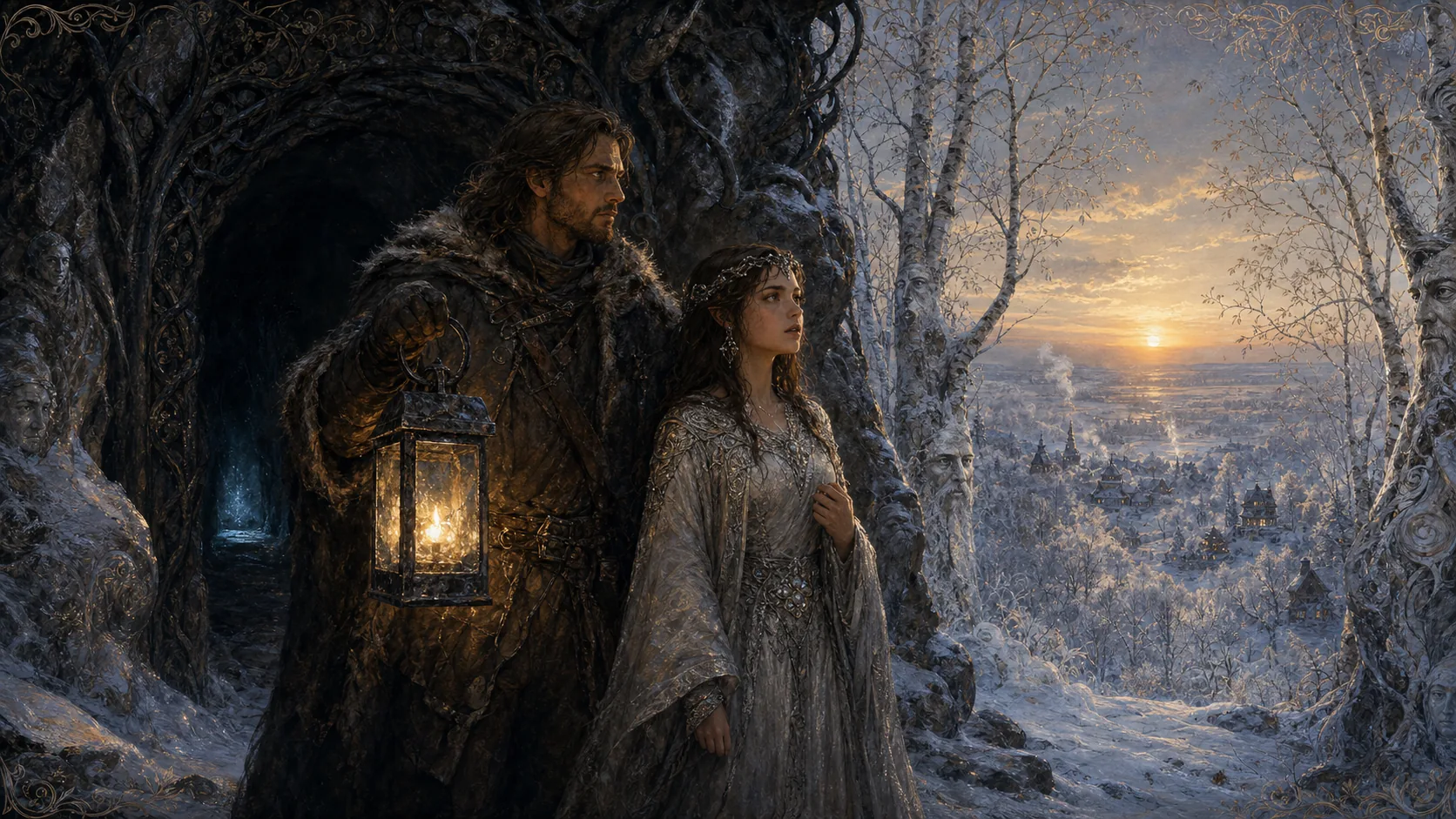
The waiting world has not been kind, but it has not forgotten how to receive them.
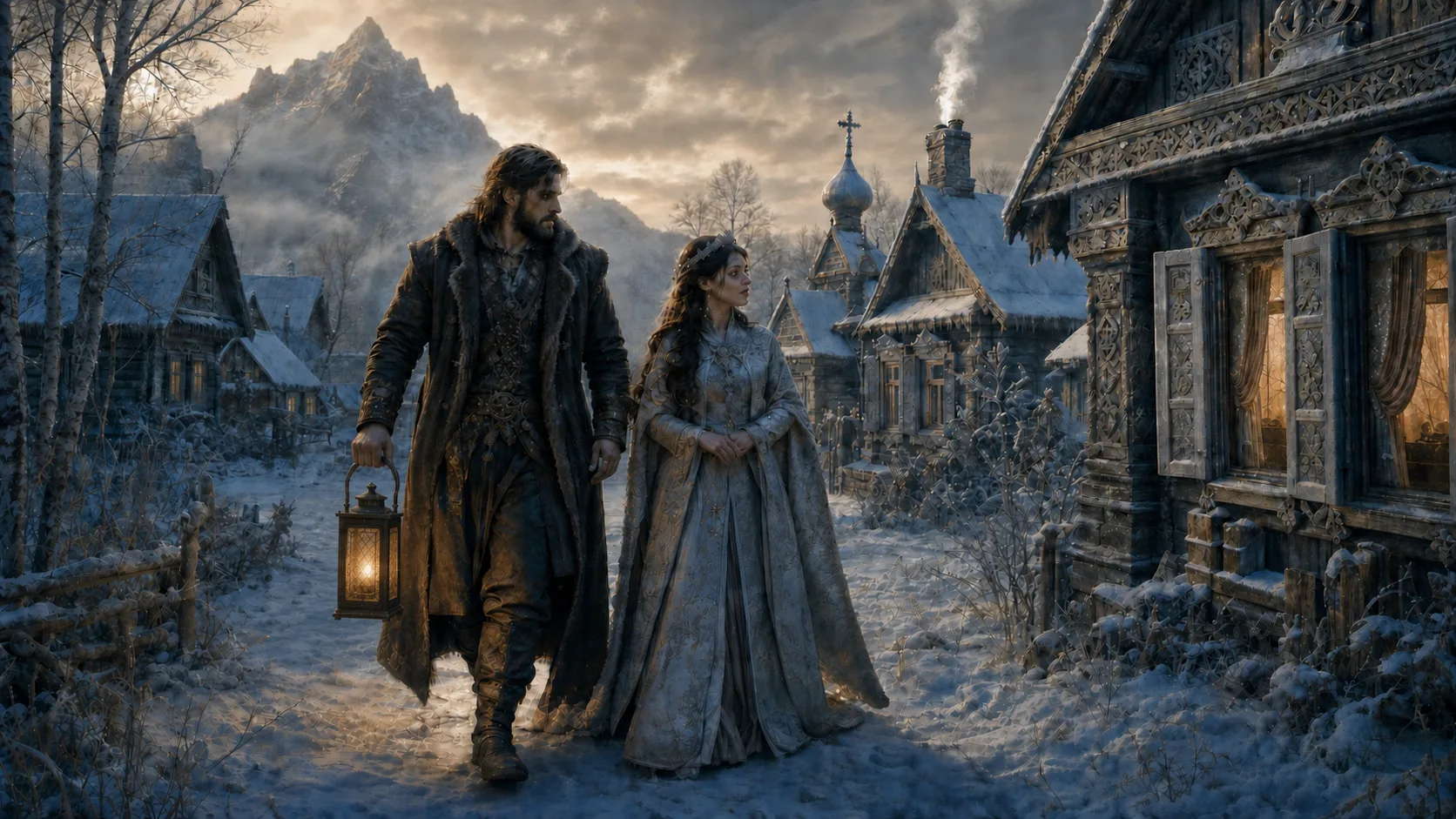
At last they reach the first village that remembered, where windows glow like cautious hearts.
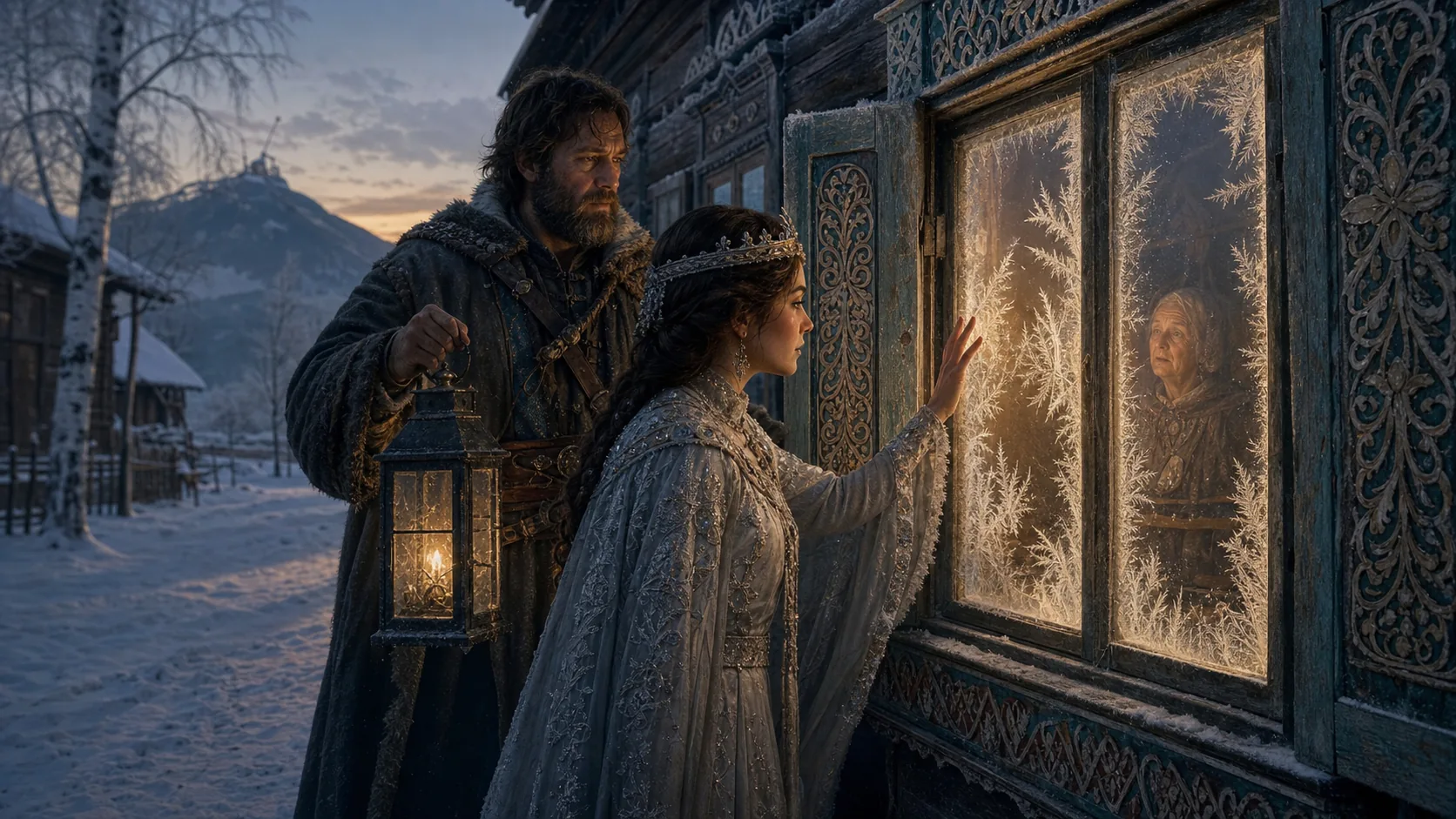
The first window wakes, and one small square of light dares the village to remember.
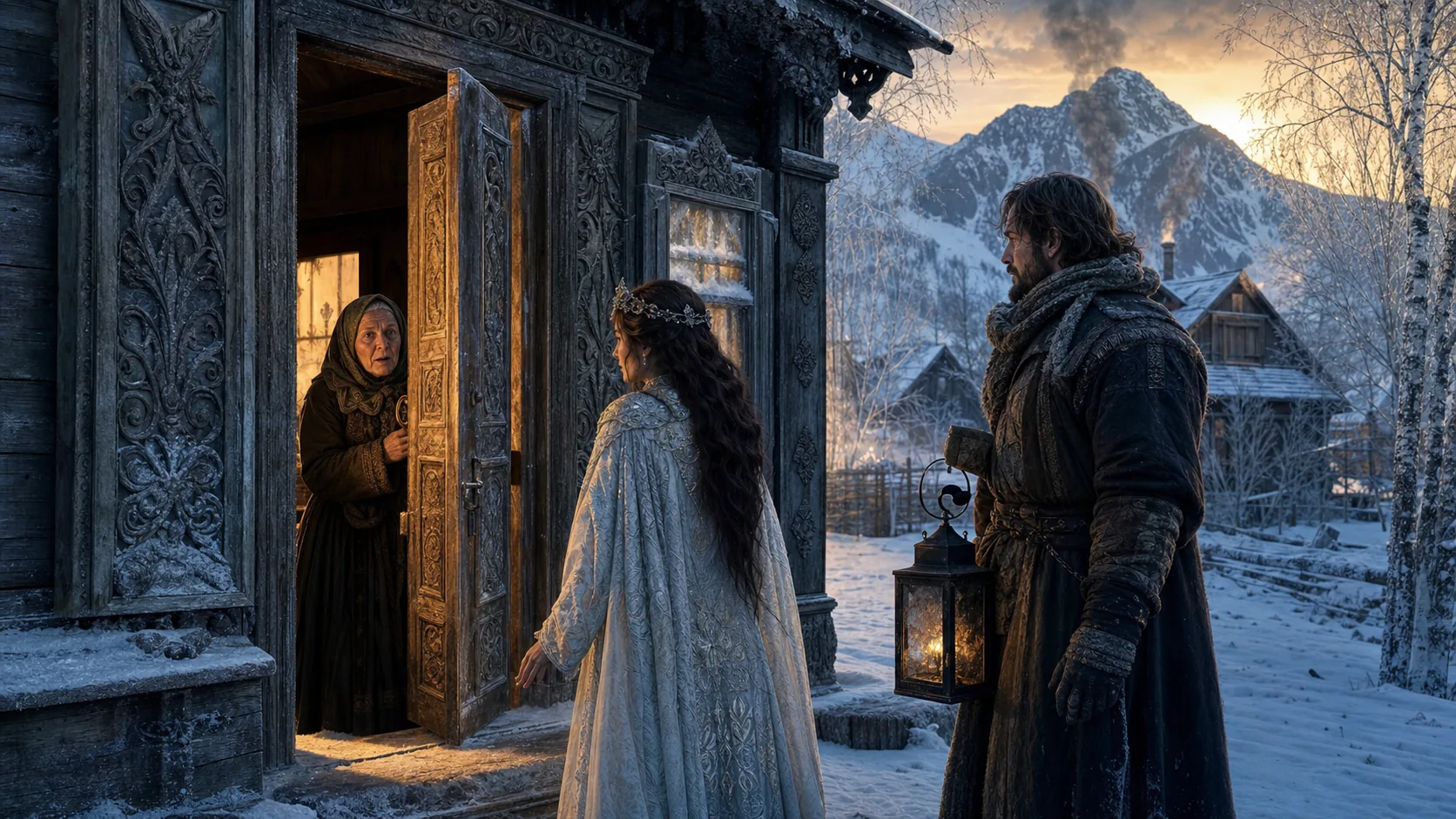
The first door opens slowly, as if kindness itself has become unfamiliar.
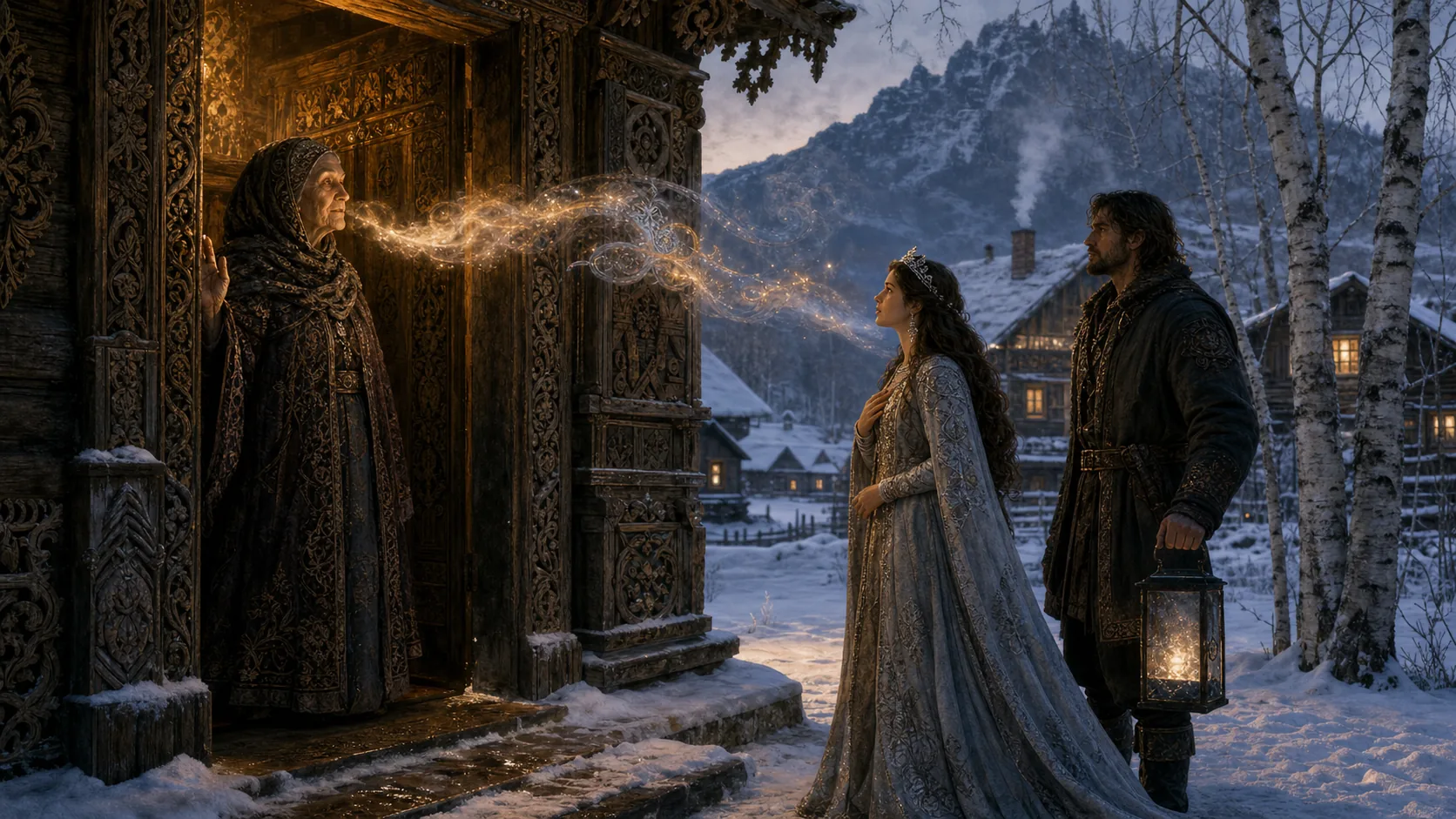
The first name is spoken aloud, and the village hears its own heart answer.
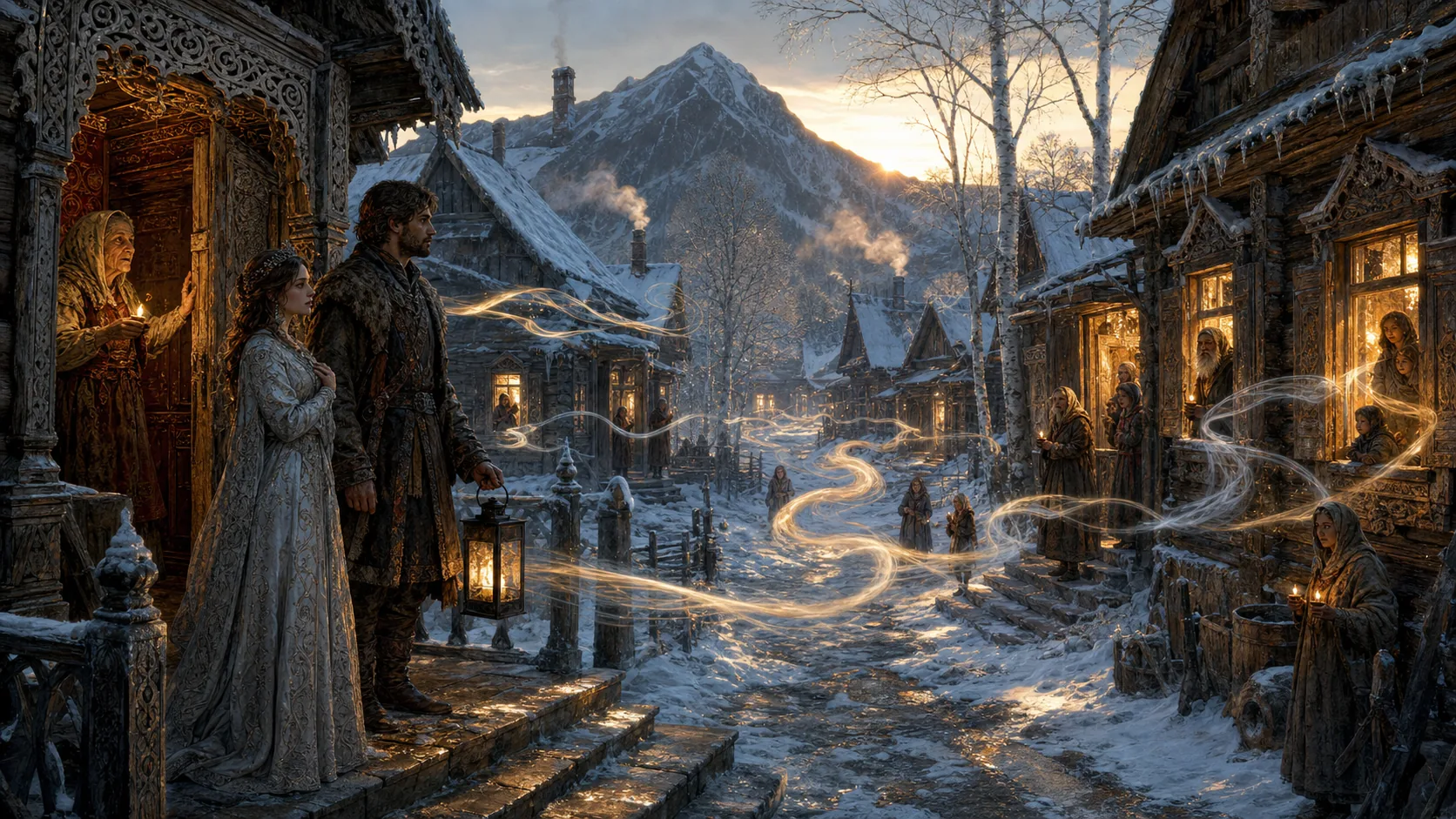
The village answers her name, not all at once, but house by house and breath by breath.
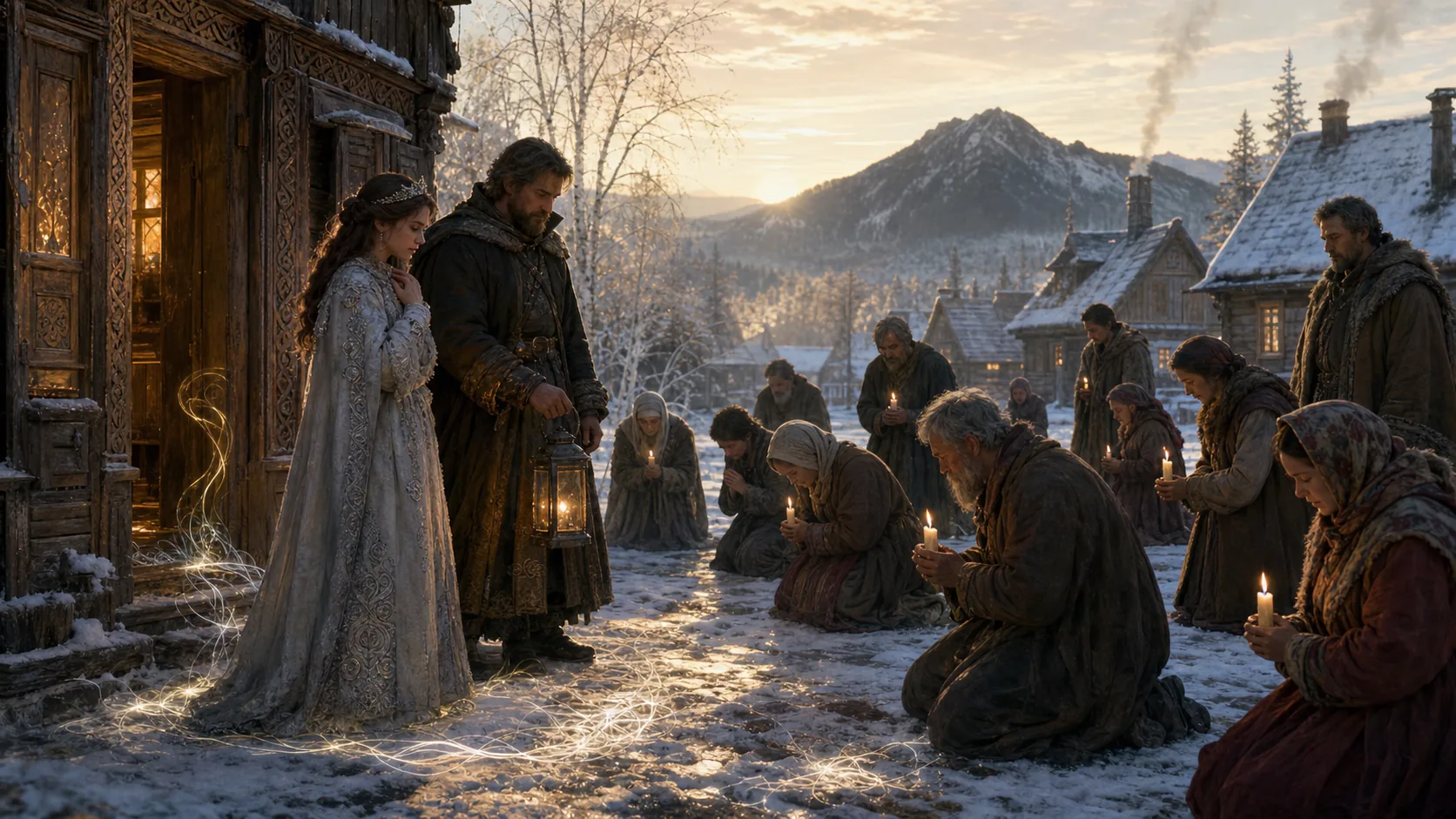
The first witnesses kneel, not to a queen, but to the truth they failed to protect.
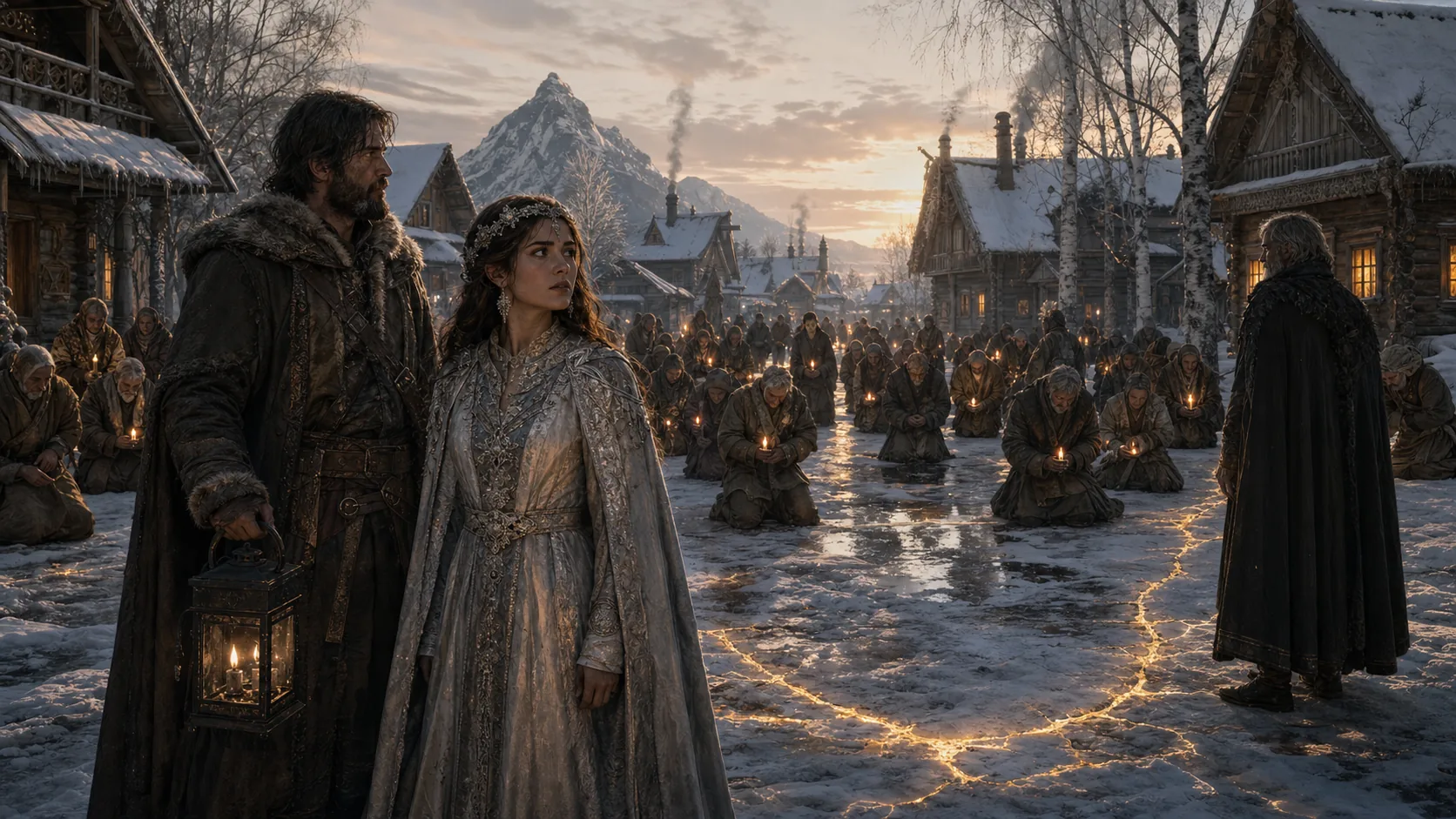
One witness will not kneel, and the old fear finds a human mouth again.
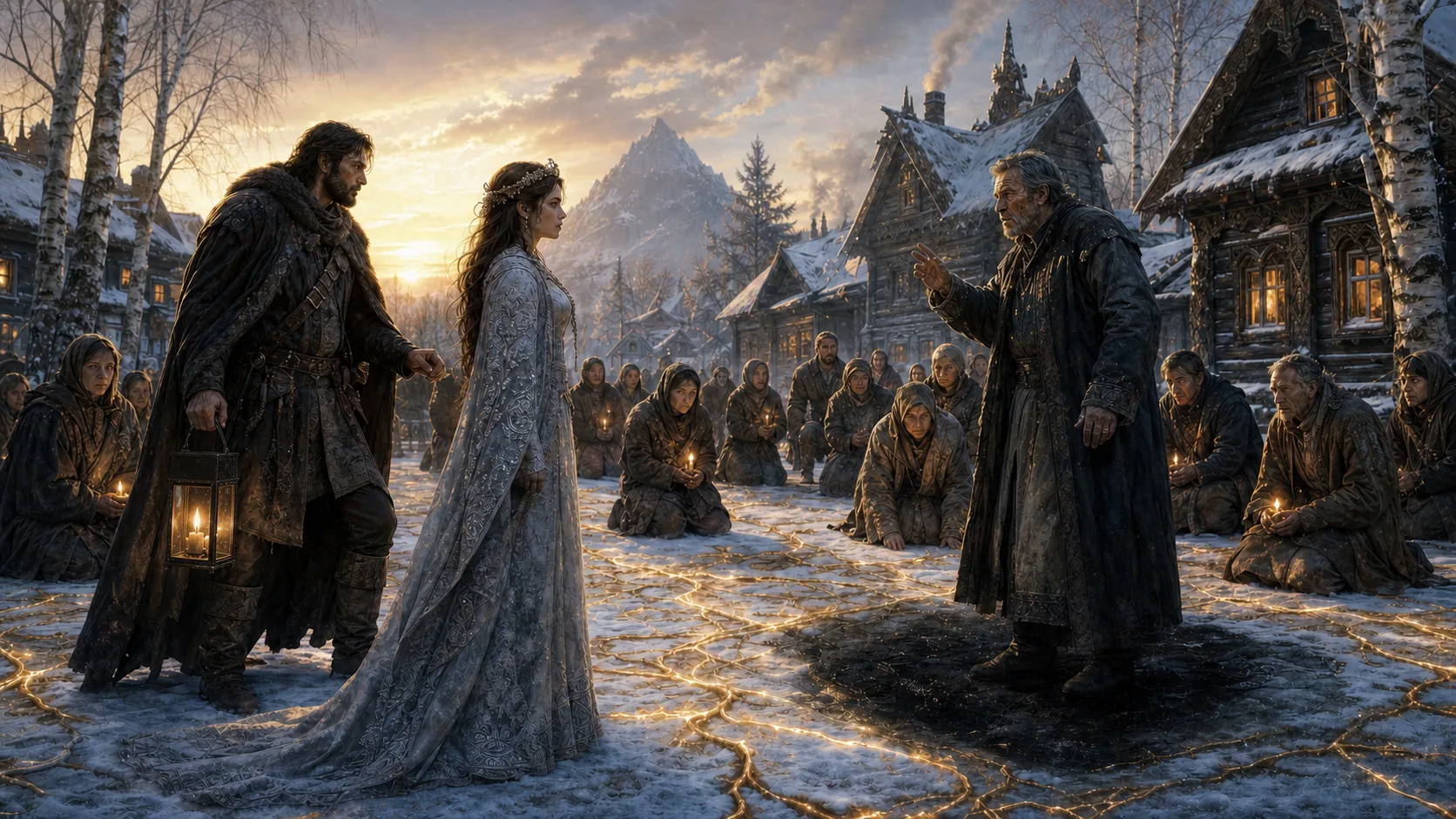
At the edge of dawn, the accuser arrives, and relief learns it is not yet safe.
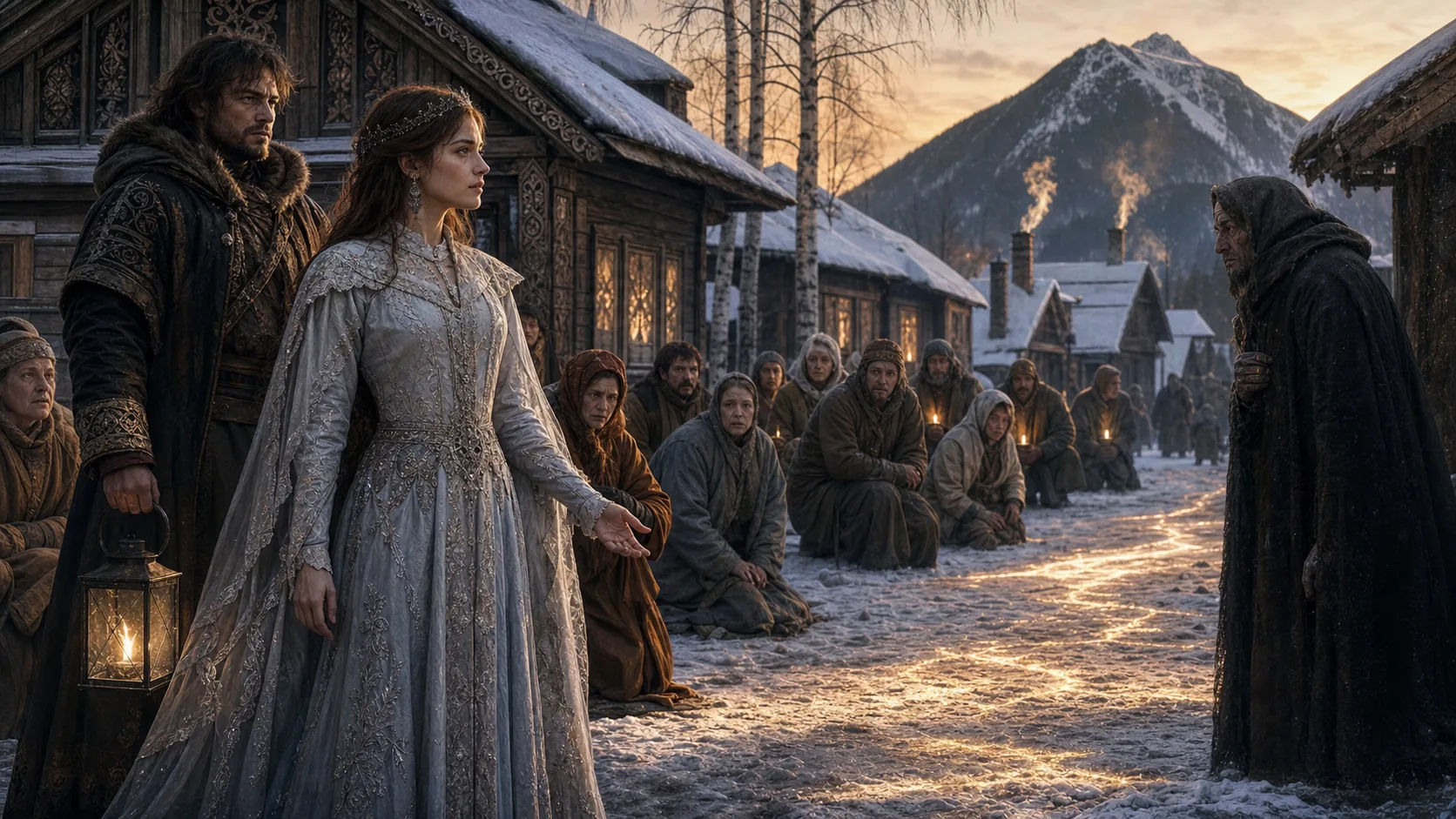
Искорка does not deny the darkness; she names it without letting it name her.
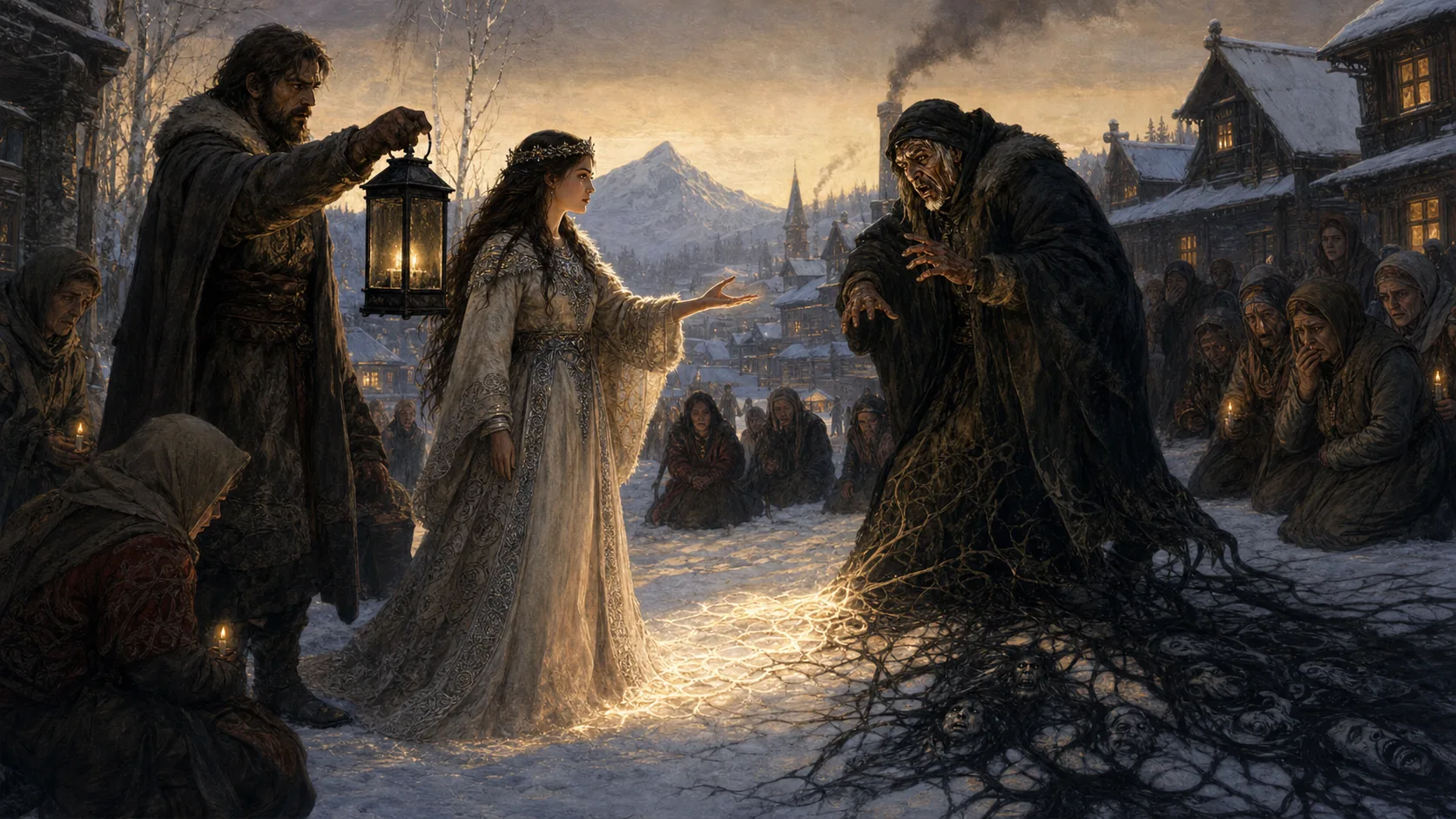
Beneath the accuser, the shadow shows itself, and the village finally sees who has been speaking.
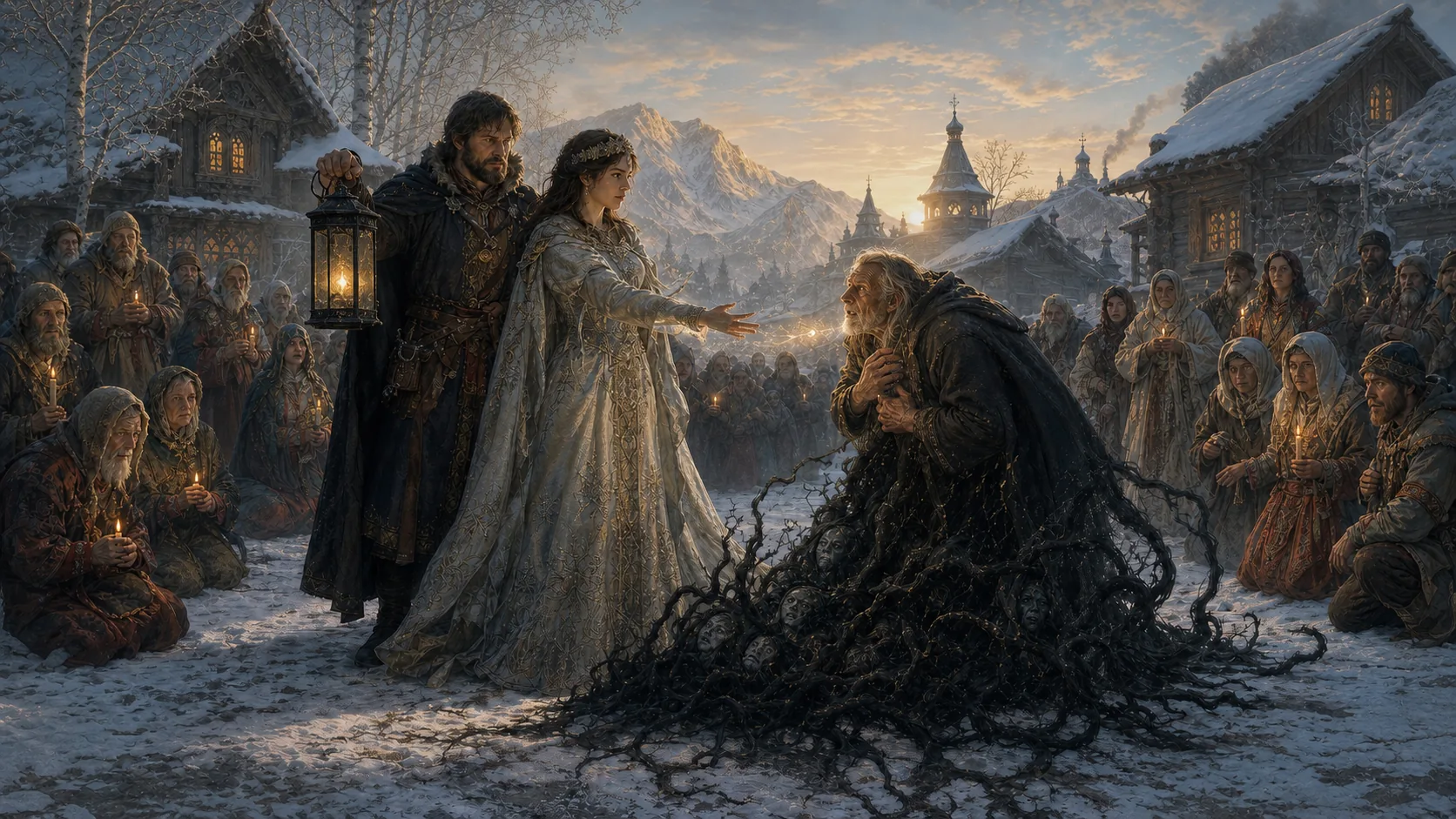
The accuser’s true name is spoken, and judgment turns toward the thing hiding behind a human face.
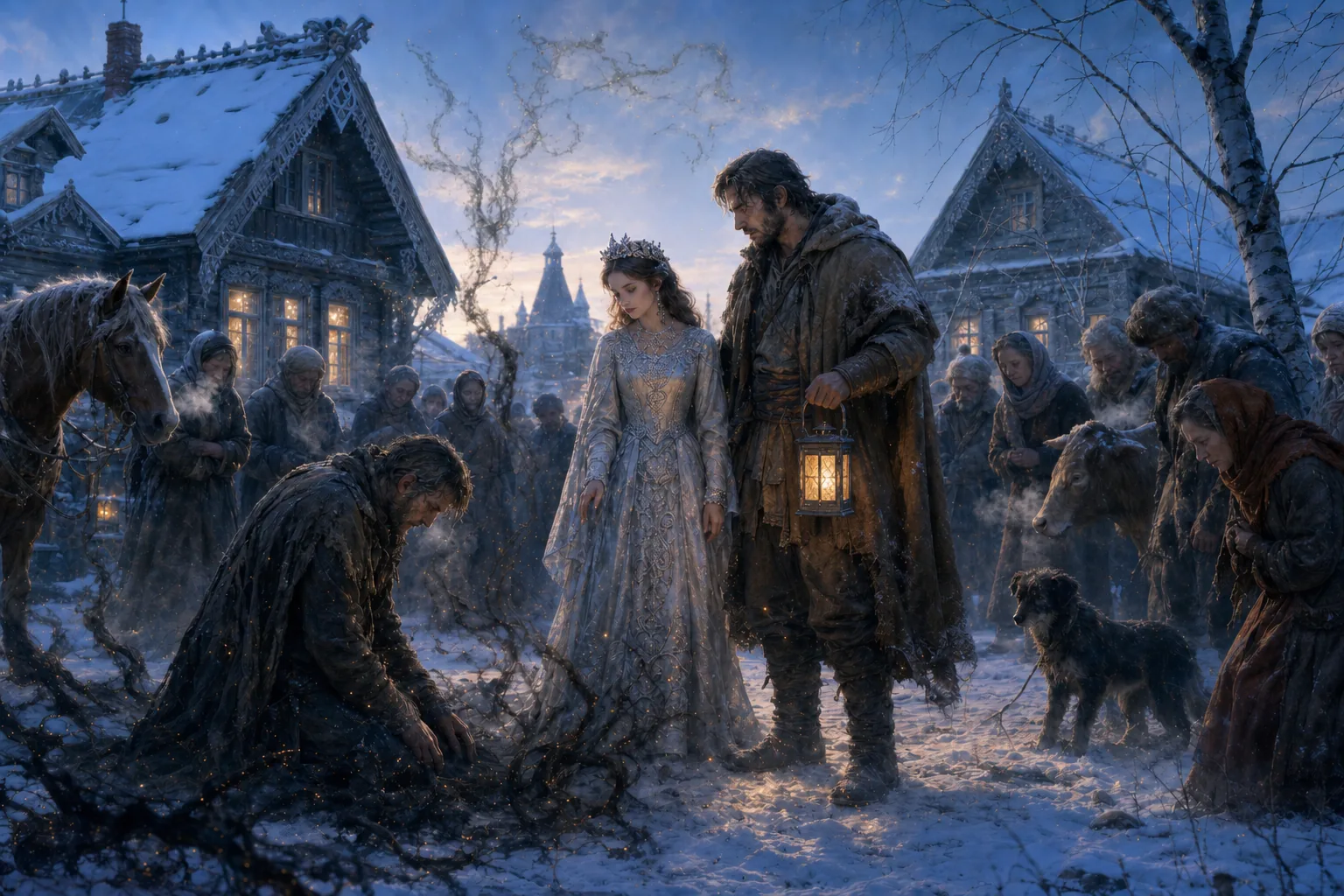
After judgment, the village breathes again, as if remembering how to be alive.
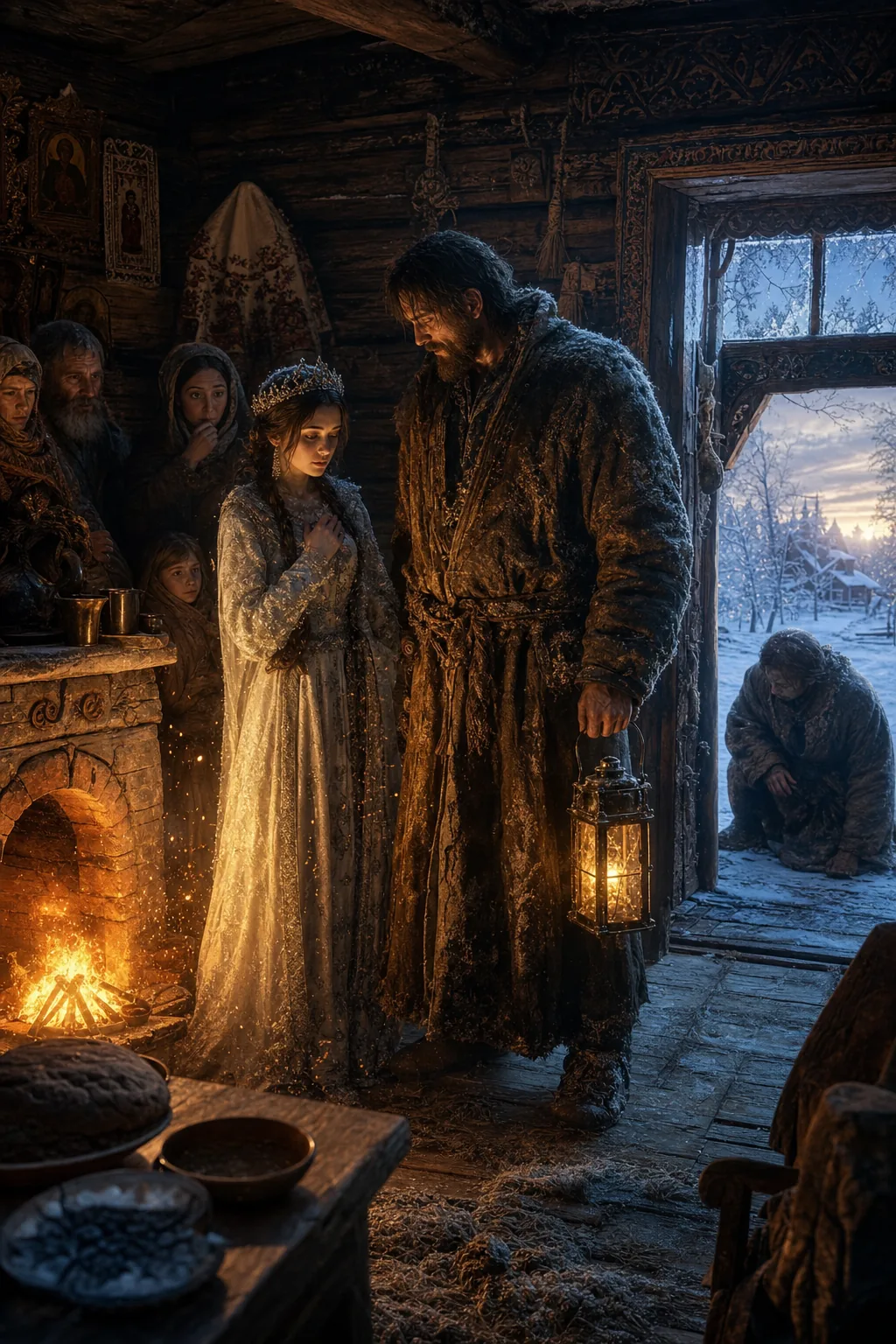
The first hearth is relit, and warmth returns as a promise rather than a trick.
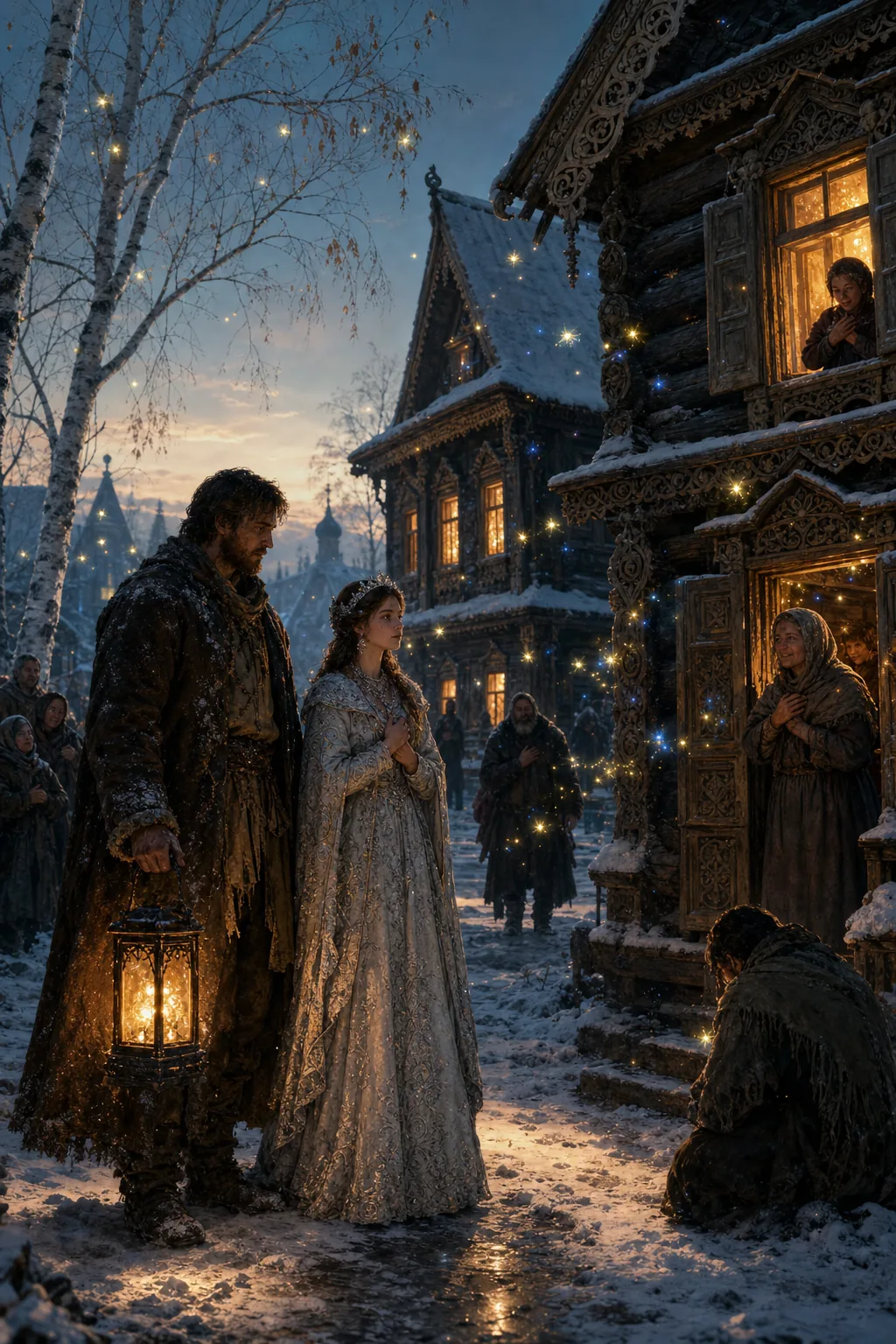
The names return to their houses, finding thresholds that had waited without understanding why.
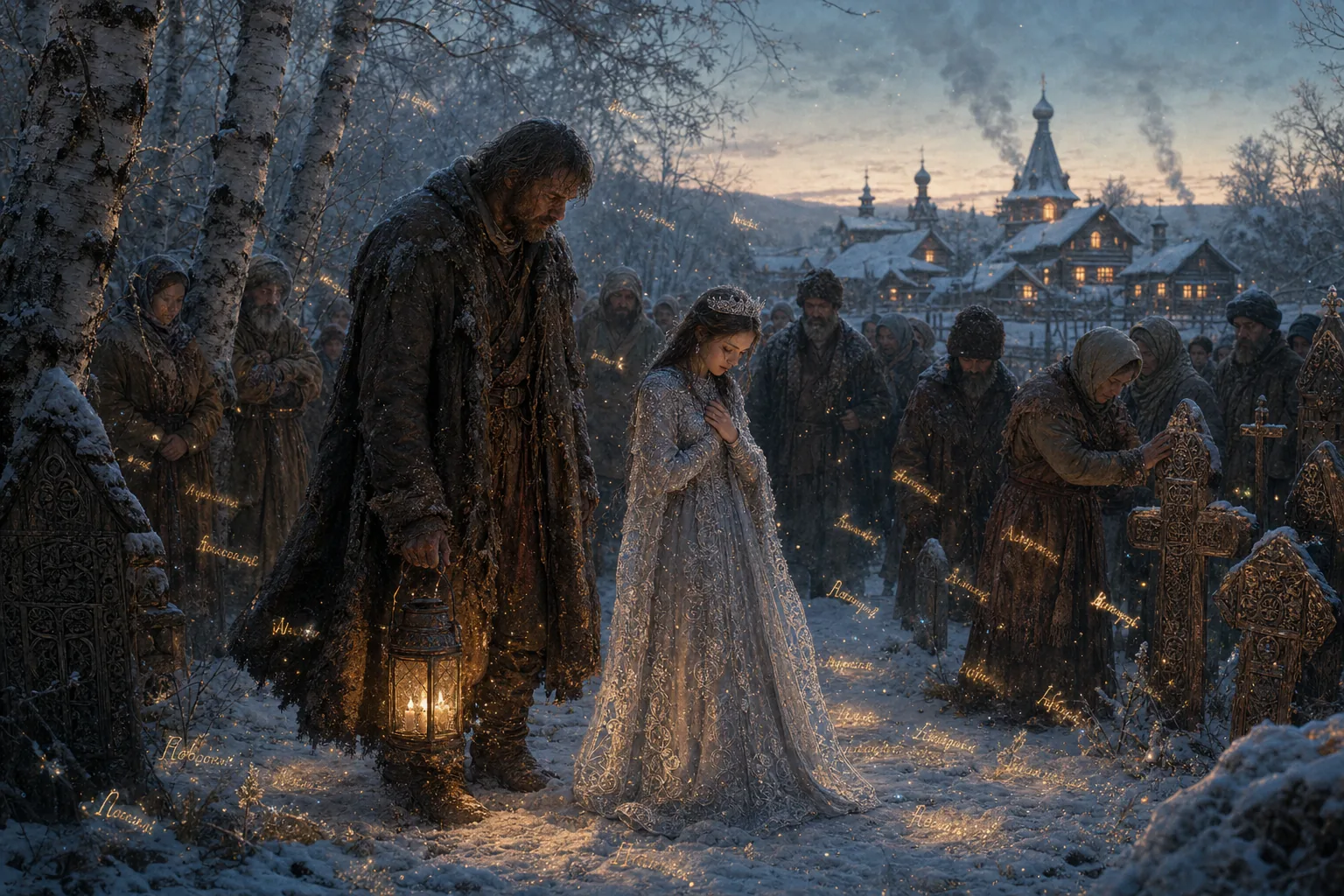
The village remembers its dead, and grief changes from a prison into a lamp.
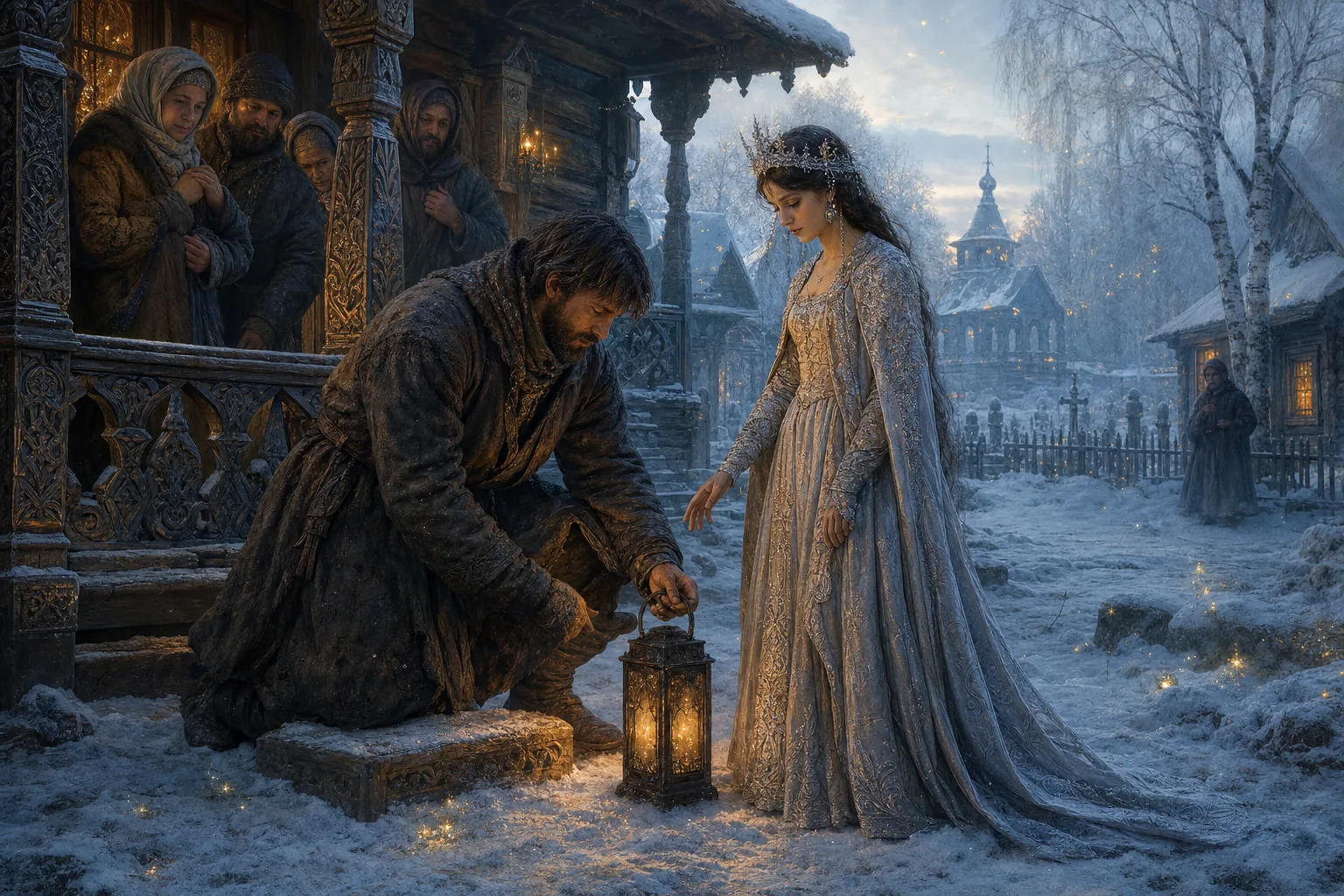
The keeper sets down the lantern, because some lights are meant to be shared and then released.
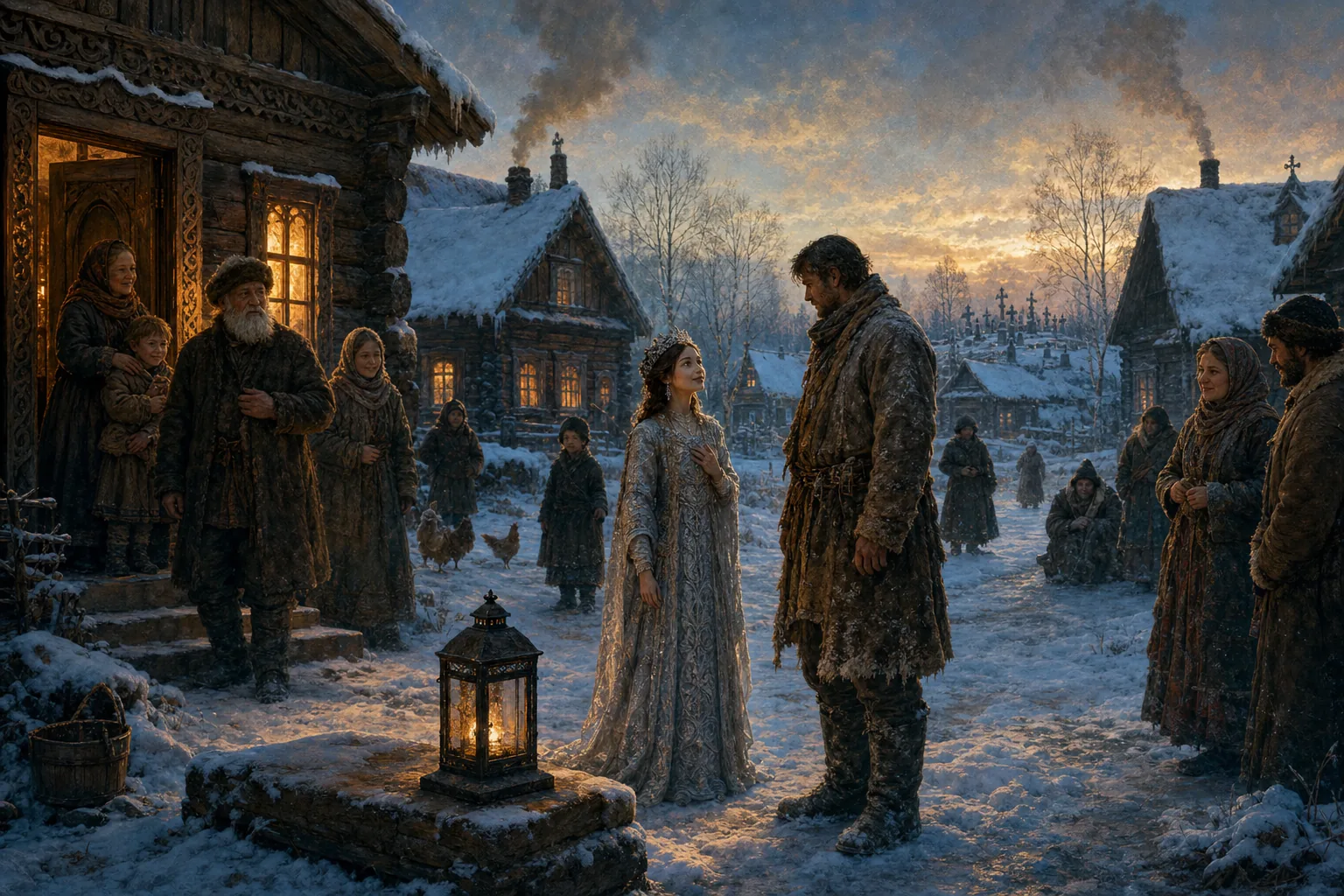
The village wakes without fear, not innocent again, but awake enough to choose differently.
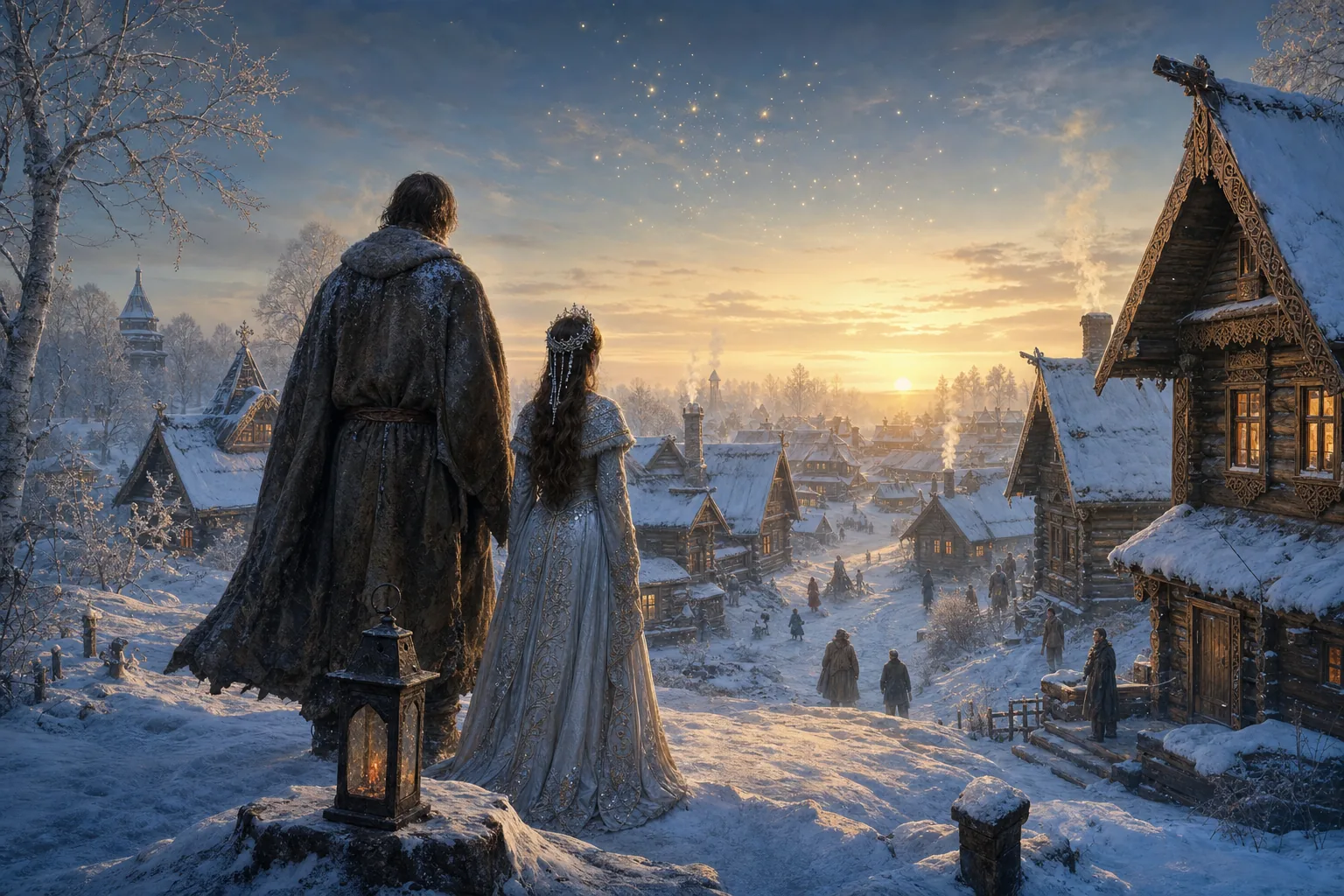
Dawn keeps their names, and the world, though scarred, does not forget them.